
TL;DR

Turn quiet afternoons into listening time
- Thousands of audiobooks, podcasts and originals
- Listen on your phone, tablet or Echo — also offline
- Cancel anytime
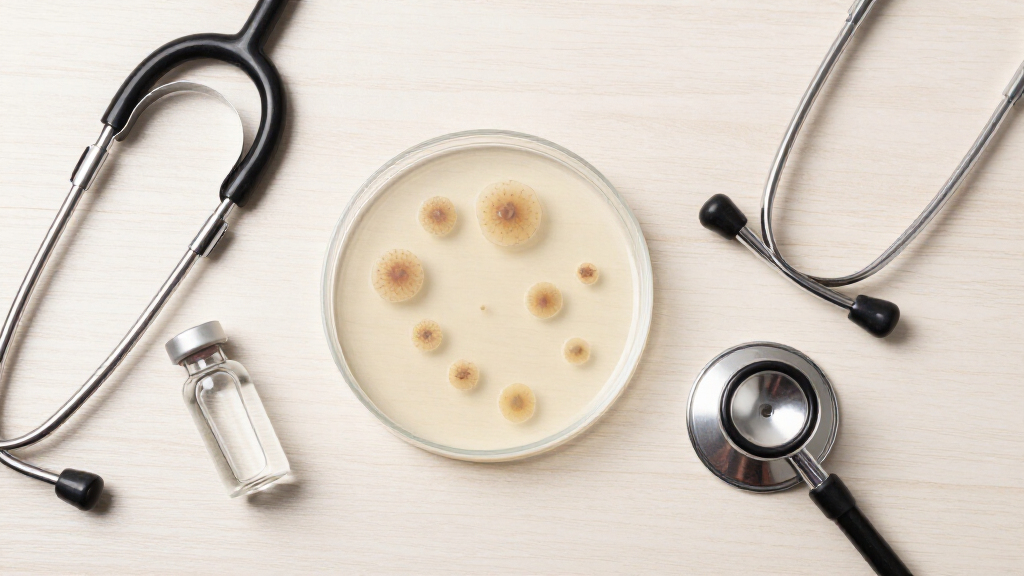
Health authorities have confirmed a surge in Candida auris cases across multiple hospitals. This fungus is resistant to common antifungal treatments, raising concerns about infection control and patient safety. The situation is ongoing, with investigations underway.
Health officials have confirmed a significant rise in cases of Candida auris, a multidrug-resistant fungal pathogen, across several hospitals in the United States. The increase raises concerns about infection control and the potential for outbreaks, as the fungus is known for its resistance to standard antifungal treatments.
According to the Centers for Disease Control and Prevention (CDC), there have been over 1,500 confirmed cases of Candida auris nationwide in 2023, marking a sharp increase compared to previous years. This fungus is particularly problematic in healthcare settings because it can cause bloodstream infections, wound infections, and ear infections, especially among immunocompromised patients.
Health officials emphasize that Candida auris is difficult to identify with standard laboratory methods and often requires specialized testing. It is also resistant to multiple classes of antifungal drugs, complicating treatment options. The CDC has issued guidance urging hospitals to enhance infection prevention protocols, including strict hand hygiene, environmental cleaning, and screening of high-risk patients.
While the exact causes of the surge are still under investigation, experts suggest that increased use of antifungal medications and the pathogen’s ability to persist on surfaces may contribute to its spread. No widespread community transmission has been confirmed so far, with most cases linked to healthcare facilities.
Implications of Candida Auris for Healthcare Safety
The rise in Candida auris cases underscores a growing threat to healthcare systems due to its resistance to multiple antifungal drugs and its ability to cause severe infections. This situation highlights the need for improved infection control measures and rapid diagnostic testing to prevent outbreaks and protect vulnerable populations. Failure to contain its spread could lead to more difficult-to-treat infections and increased mortality among hospitalized patients.As an affiliate, we earn on qualifying purchases.
Recent Trends and Challenges in Managing Candida Auris
Candida auris was first identified in 2009 and has since been reported in over 30 countries. Its emergence is linked to the overuse of antifungal medications and the global rise of antimicrobial resistance. In the US, the CDC has classified Candida auris as an urgent threat, with outbreaks reported in hospitals, nursing homes, and long-term care facilities.
Previous outbreaks have demonstrated how difficult it is to eradicate the fungus once established in healthcare environments, due to its ability to survive on surfaces for extended periods and its resistance profile. Efforts to control its spread include enhanced cleaning protocols, patient screening, and staff education, but challenges remain due to resource limitations and diagnostic delays.
“The increase in Candida auris cases represents a serious threat to patient safety, especially because of its resistance to multiple antifungal drugs.”
— Dr. Anne Schuchat, CDC Senior Advisor
As an affiliate, we earn on qualifying purchases.
Unresolved Questions About Candida Auris Spread
It is not yet clear what specific factors are driving the recent surge in cases, or whether new strains have emerged with increased resistance. The full extent of community transmission remains unknown, and ongoing investigations are assessing environmental reservoirs and transmission pathways.medical infection control supplies
As an affiliate, we earn on qualifying purchases.
As an affiliate, we earn on qualifying purchases.
Monitoring and Response Strategies Moving Forward
Health authorities are expected to continue surveillance, increase screening in high-risk settings, and develop more effective diagnostic tools. Hospitals are being urged to reinforce infection control practices and report new cases promptly. Research into new antifungal agents and vaccines is also ongoing to combat resistant strains.
As an affiliate, we earn on qualifying purchases.
Key Questions
What is Candida auris?
Candida auris is a multidrug-resistant fungus that can cause serious infections, especially in healthcare environments. It is difficult to detect and treat due to its resistance profile.
Why is Candida auris a concern?
Because it is resistant to many antifungal medications and can spread easily in hospitals, increasing the risk of outbreaks and severe infections among vulnerable patients.
How can healthcare facilities prevent its spread?
By implementing strict infection control measures, such as thorough cleaning, patient screening, hand hygiene, and environmental decontamination.
Are there effective treatments for Candida auris?
Some antifungal options are available, but resistance limits their effectiveness. Research is ongoing to find new therapies and strategies.
Is Candida auris transmitted in the community?
Currently, most cases are linked to healthcare settings, with no confirmed widespread community transmission. Investigations are ongoing.
Source: google-trends
Fall Picks
fall essentials
As an affiliate, we earn on qualifying purchases.