
TL;DR
Headway, an online therapy platform, will require clients to submit facial scans for identity verification, effective immediately. No opt-out is available, raising privacy concerns. The move impacts user privacy and platform trust.
Headway, a popular online therapy platform, has announced that it will require all clients and providers to undergo biometric facial scanning to verify identity, with no option to opt out other than leaving the platform.
On April 3, Headway sent an email to its clients informing them of the new requirement: users must submit a clear photo of their face via their device’s camera, involving a movement-based scan where they turn their head side to side. The company stated that the facial images are used solely for identity verification purposes and are not stored or used for other functions.
The email emphasized that the biometric verification is mandatory for continued access to services, effectively making opt-out impossible without discontinuing use of the platform. This change has raised privacy concerns among users and privacy advocates, as biometric data collection is a sensitive issue.
Why It Matters
This development matters because it marks a significant shift in how online therapy platforms handle user identity verification, raising questions about privacy, data security, and user consent. For users, the requirement to submit facial scans could impact trust in the platform and influence their willingness to continue using Headway’s services.
From a broader perspective, this move reflects ongoing trends toward biometric verification in digital health services, which could set precedents for other platforms but also heighten privacy risks and regulatory scrutiny.
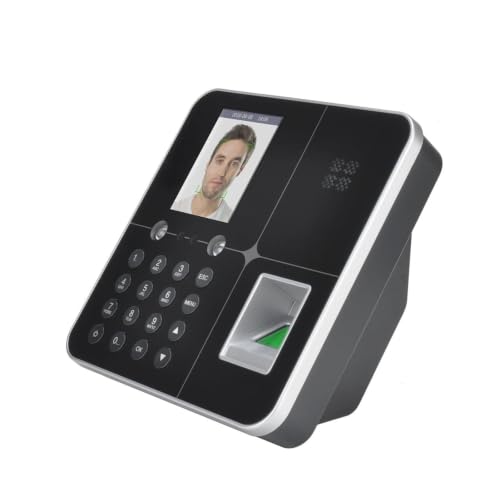
Face and Fingerprint Attendance Biometric Facial Recognition Machine Device Password Time Clock Voice Broadcast
- Multi-verification System: Facial, fingerprint, password options
- Fast Recognition: Face in 1s, fingerprint in 0.7s
- High Accuracy: Low FAR 0.0001%, FRR 0.01%
As an affiliate, we earn on qualifying purchases.
As an affiliate, we earn on qualifying purchases.
Background
Headway is among several online mental health services expanding their verification processes amid concerns over misuse, fraud, and identity theft. The platform previously relied on traditional login credentials, but the new biometric requirement signals an increased emphasis on security.
This announcement follows a pattern seen in other sectors where biometric data collection is becoming more common, though it remains controversial due to privacy concerns. It is not yet clear how many users will comply or leave the platform, or how data security will be managed long-term.
“The facial image is never used for anything but identity verification.”
— Headway spokesperson (unnamed)
“Mandating biometric scans without an opt-out raises serious privacy and security concerns that need to be addressed.”
— Privacy advocacy group representative
identity verification facial scan camera
As an affiliate, we earn on qualifying purchases.
As an affiliate, we earn on qualifying purchases.
What Remains Unclear
It is still unclear how many users will comply with the new requirement, how Headway will secure and store biometric data, and whether regulatory bodies will scrutinize or regulate this practice further. The platform has not provided detailed data security measures or long-term plans for biometric data management.

Privacy-Preserving Machine Learning
As an affiliate, we earn on qualifying purchases.
As an affiliate, we earn on qualifying purchases.
What’s Next
Headway is expected to implement the biometric verification process immediately or in the coming weeks. Users will likely face a choice between compliance and discontinuing service. Privacy groups and regulators may respond with further guidance or restrictions. Monitoring user reactions and regulatory developments will be critical in the coming months.

Wyze Auto-Lock Bolt v2, Fingerprint Keyless Entry Smart Lock, AI Learning Scanner with Wi-Fi Front Door Lock Deadbolt, Auto-Lock, 8 Months Battery, BHMA2, IP53, Anti-Peep Keypad, Backup Keys
- Fast Fingerprint Unlock: Unlock in 0.5 seconds with fingerprint scanner
- Durable Tempered Glass: Scratch and smudge-resistant tempered glass surface
- AI Learning Technology: Learns from touch for faster, accurate recognition
As an affiliate, we earn on qualifying purchases.
As an affiliate, we earn on qualifying purchases.
Key Questions
Can I opt out of the facial scan requirement?
No. Headway has stated that there is no opt-out option other than leaving the platform.
How will my biometric data be used and stored?
Headway claims the facial images are used only for identity verification and are not stored or used for other purposes, but specific data security measures have not been disclosed.
Does this violate privacy laws or regulations?
It is unclear whether current laws explicitly prohibit or regulate mandatory biometric verification in this context. Regulatory scrutiny may increase depending on jurisdiction and implementation details.
What are the privacy risks involved?
Biometric data is sensitive, and its collection raises concerns about data breaches, misuse, or unauthorized sharing. The lack of an opt-out increases user vulnerability.
Source: Hacker News