TL;DR

Get comfort and care essentials delivered free — and shop member deals
- Fast, free delivery on millions of items
- Access to Prime Big Deal Days deals on October 6–7
- Prime Video, Amazon Music and more included
A post on bookofjoe2.blogspot.com suggests lifting a collapsed person’s legs as a way for untrained bystanders to help. The post offers no supporting evidence for its claims, including that the maneuver equals a blood transfusion or cannot cause harm; it should not replace calling emergency services, CPR, or an automated external defibrillator when indicated.
A post published by bookofjoe2.blogspot.com in October 2026 advises bystanders to raise a collapsed person’s legs, claiming the maneuver can help circulation when they do not know CPR. The post does not cite medical evidence, and its suggestion should not be treated as a substitute for calling emergency services or following a dispatcher’s instructions.
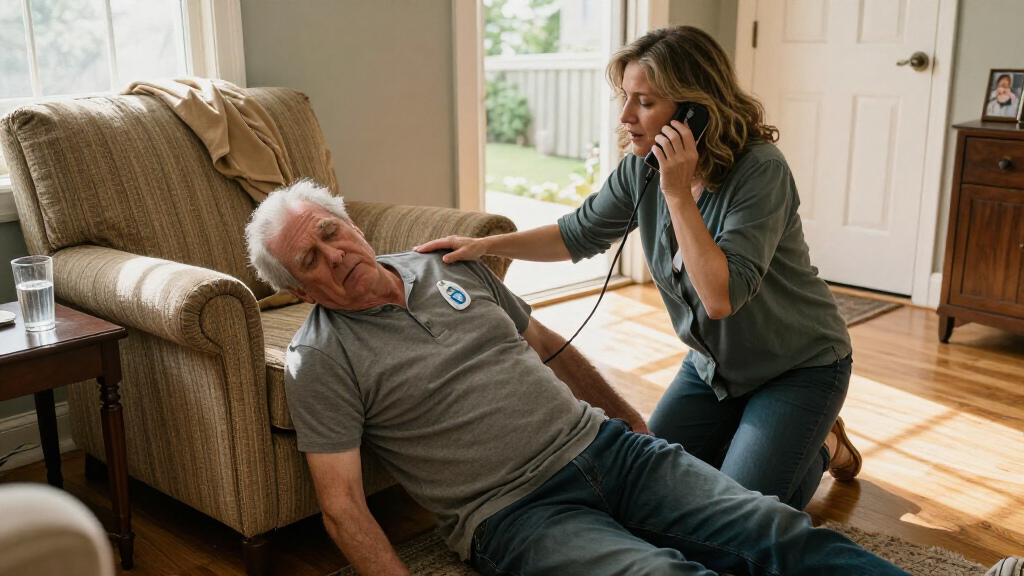
The post says to bend down, lift the person’s legs and hold them around waist height. Its author claims this increases blood returning to the heart and lungs and makes CPR more effective. It also compares the effect to a transfusion of two units of blood and says the maneuver cannot cause harm. Those claims are not supported with studies, clinical guidance or named medical sources in the material provided.
The post describes leg elevation as an option for people who are “uninformed, unschooled, and scared” of CPR, and says it is the first action the author instructs someone to take at a “Code Blue” scene. That is the author’s account, not a general emergency-care protocol. The source does not define the medical circumstances in which raising the legs might be appropriate, or explain when it could be unsuitable.
For a person who is unresponsive, a bystander should contact local emergency services promptly and follow the dispatcher’s directions. If the person is not breathing normally, emergency dispatchers can guide callers through CPR; an automated external defibrillator (AED), if available, can provide spoken instructions. Do not delay an emergency call to try an unsupported maneuver.
Why Bystanders Need Reliable Guidance
In an emergency, confident but unverified advice can affect what a bystander does first. The blog’s framing may appeal to people worried about performing CPR, but it does not establish that leg elevation can restore a heartbeat or improve survival. The claim that it “can’t do any harm” is especially broad: the post gives no qualifications for different causes of collapse, injuries or other circumstances.
The practical distinction is between an action backed by emergency guidance and an assertion made in a personal post. Calling for professional help, following dispatcher instructions and using an AED when available give bystanders a clear route to assistance. Readers should not infer from this post that raising someone’s legs is a proven alternative to those steps.
automated external defibrillator AED
As an affiliate, we earn on qualifying purchases.
As an affiliate, we earn on qualifying purchases.
What the Blog Post Claims
The item is presented as a short advice post titled “How to save a life without knowing CPR,” published by bookofjoe2.blogspot.com in October 2026. It argues that relatively few people know or perform CPR, then offers leg elevation as a simple action for an untrained and frightened bystander. The source material provided for this report consists of the post itself; it includes no response from a medical authority and no linked research substantiating its physiological or safety claims.
CPR and AED use are recognized components of emergency response for suspected cardiac arrest, with exact instructions depending on the situation and local protocols. The blog post does not explain how its proposed maneuver fits into those protocols. That gap matters: a person collapsing may have a range of causes, and the post does not distinguish among them.
“Bend down, pick up their feet, and hold their legs in the air waist-high.”
— The bookofjoe2.blogspot.com post
As an affiliate, we earn on qualifying purchases.
Evidence and Safety Remain Unclear
The supplied post does not identify clinical studies, emergency-care guidelines or medical experts supporting its claims about increased blood return, equivalence to two units of blood, improved CPR effectiveness or absence of harm. It also gives no information about the author’s qualifications or the circumstances behind the cited “Code Blue” practice. Those points cannot be verified from the source material.
It is therefore unclear whether the author intends leg elevation only for a specific type of circulatory problem or recommends it for any collapse. The post provides no criteria for deciding when to use the maneuver and no instructions for cases involving injury or suspected cardiac arrest. Readers should not treat its claims as settled medical advice.
As an affiliate, we earn on qualifying purchases.
Follow Emergency Dispatch Instructions
The source reports no planned medical review, correction or follow-up. Until authoritative guidance addresses the post’s claims, anyone facing a collapse should call the local emergency number and follow the dispatcher’s instructions rather than relying on the blog’s leg-elevation advice. If CPR is indicated, a dispatcher can guide an untrained caller, and an AED can provide prompts when one is available.
For people who want to be prepared, a recognized CPR and first-aid course can provide hands-on practice. In an actual emergency, however, getting professional help quickly and acting on real-time instructions matter more than attempting an unverified substitute.
emergency medical response guidebook
As an affiliate, we earn on qualifying purchases.
As an affiliate, we earn on qualifying purchases.
Key Questions
Does raising someone’s legs replace CPR?
No. The post does not provide evidence that leg elevation can replace CPR or restore a heartbeat. Call emergency services and follow the dispatcher’s instructions.
What should I do if someone collapses and I do not know CPR?
Call your local emergency number immediately, put the phone on speaker if possible, and follow the dispatcher’s directions. If an AED is available, turn it on and follow its spoken prompts.
Does the post prove that leg elevation is harmless?
No. It asserts that the maneuver cannot cause harm but cites no evidence or exceptions. The claim cannot be verified from the material provided.
Is the claim that leg elevation equals a blood transfusion supported?
The post makes that comparison, but provides no study, medical source or explanation establishing it. It should be treated as an unsupported claim, not a confirmed fact.
Source: hn
Cold & flu season Picks
humidifiers
As an affiliate, we earn on qualifying purchases.