
TL;DR
Osteopenia silently weakens bones in millions globally, often without symptoms. Health experts emphasize early diagnosis to prevent fractures and long-term damage.
Osteopenia, a condition characterized by lower-than-normal bone density, is affecting millions worldwide without causing noticeable symptoms, according to recent health studies. This silent weakening of bones increases the risk of fractures and can progress to osteoporosis if left untreated. Medical experts highlight the importance of early diagnosis to prevent serious health consequences.
Recent data indicates that approximately 50 million people in the United States alone have osteopenia, a condition often undetected until a fracture occurs. Unlike osteoporosis, which is well-known for causing fragile bones, osteopenia usually presents no symptoms, making it difficult for individuals to realize they are at risk.
Medical research suggests that osteopenia results from an imbalance between bone resorption and formation, leading to decreased bone mineral density. Factors contributing to osteopenia include aging, hormonal changes, poor nutrition, sedentary lifestyle, and certain medical conditions.
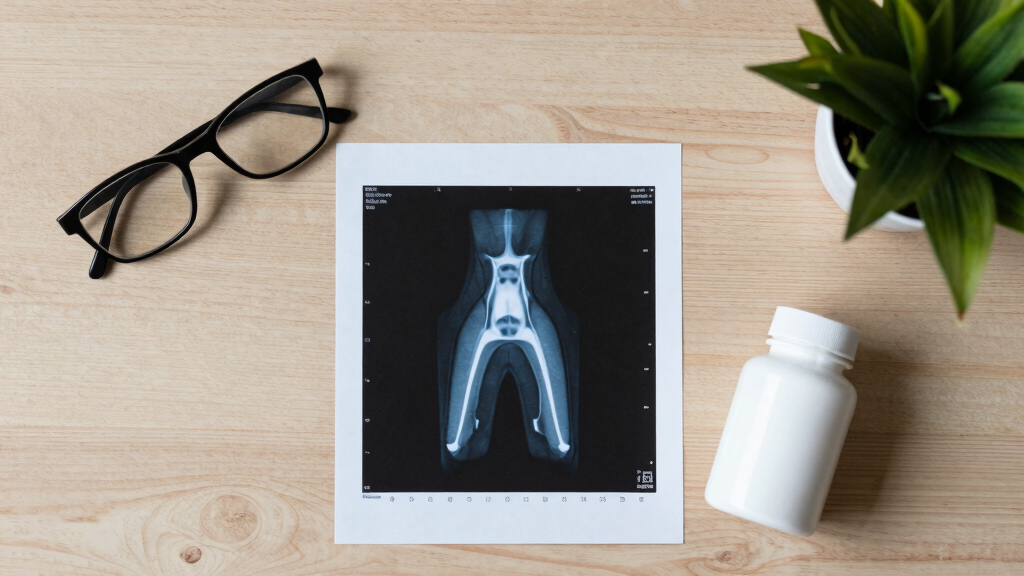
Diagnostic tools such as dual-energy X-ray absorptiometry (DXA) scans can identify osteopenia early, but routine screening is not universally implemented, leading to many cases remaining undiagnosed. Experts warn that without intervention, osteopenia can progress to osteoporosis, significantly increasing fracture risk, especially in older adults.
Why Early Detection of Osteopenia Is Critical
This condition’s silent nature means many individuals are unaware of their increased fracture risk until a serious injury occurs. Early diagnosis allows for lifestyle modifications and medical treatments that can slow or halt bone loss, reducing long-term health burdens and healthcare costs. Public health initiatives emphasizing screening and awareness could prevent millions of fractures annually.
dual-energy X-ray absorptiometry (DXA) bone density scanner
As an affiliate, we earn on qualifying purchases.
As an affiliate, we earn on qualifying purchases.
Growing Awareness and Advances in Bone Health Screening
Historically, osteopenia has been underrecognized compared to osteoporosis. Recent advances in imaging technology and increased screening efforts have improved detection rates. The condition is now understood as a precursor to osteoporosis, prompting calls for routine bone density testing in at-risk populations, such as postmenopausal women and older adults.
Health organizations like the National Osteoporosis Foundation recommend bone density testing for women over 65 and men over 70, but many younger individuals with risk factors remain untested. Efforts are underway to expand screening and improve public understanding of early bone health issues.
“Many people with osteopenia are unaware they have it until they suffer a fracture. Early detection is key to preventing serious consequences.”
— Dr. Lisa Nguyen, Osteoporosis Specialist

Osteoporosis & Osteopenia: Vitamin Therapy for Stronger Bones
As an affiliate, we earn on qualifying purchases.
As an affiliate, we earn on qualifying purchases.
Uncertainties About Screening and Progression Risks
It remains unclear how many cases of osteopenia are currently undiagnosed due to inconsistent screening practices worldwide. Additionally, the exact factors determining which individuals with osteopenia will progress to osteoporosis are still being studied, with some evidence suggesting genetic and lifestyle influences play roles.

Nature's Bounty Calcium 1200mg with 1000 IU Vitamin D3, 120 Count
- Supports Bone and Muscle Health: Provides 1200 mg calcium per serving
- Enhances Calcium Absorption: Includes 1000 IU Vitamin D3
- Gluten, Dairy, and Wheat Free: Suitable for various dietary needs
As an affiliate, we earn on qualifying purchases.
As an affiliate, we earn on qualifying purchases.
Next Steps in Research and Public Awareness Campaigns
Researchers are focusing on identifying biomarkers that predict progression from osteopenia to osteoporosis. Public health agencies are expanding screening recommendations and awareness campaigns to promote early detection. Further studies are expected to clarify optimal treatment strategies and screening intervals.

Garmin vívoactive® 6, Health & Fitness GPS Smartwatch, 42mm, Bone
- Display: Bright AMOLED screen for clear visuals
- Battery Life: Up to 11 days in smartwatch mode
- Body Battery: Energy monitoring with personalized insights
As an affiliate, we earn on qualifying purchases.
As an affiliate, we earn on qualifying purchases.
Key Questions
What is osteopenia and how is it different from osteoporosis?
Osteopenia is a condition where bone mineral density is lower than normal but not low enough to be classified as osteoporosis. It often has no symptoms and can progress to osteoporosis if untreated, which leads to fragile bones and higher fracture risk.
How is osteopenia diagnosed?
Osteopenia is diagnosed through a bone density test, typically a dual-energy X-ray absorptiometry (DXA) scan, which measures bone mineral density and compares it to standard reference values.
Can osteopenia be reversed or managed?
Yes, lifestyle changes such as adequate calcium and vitamin D intake, weight-bearing exercise, and avoiding smoking and excessive alcohol can help manage osteopenia. In some cases, medications may be prescribed to slow bone loss.
Who is at risk for developing osteopenia?
Risk factors include aging, hormonal changes (especially in women after menopause), sedentary lifestyle, poor nutrition, certain medical conditions, and medications that affect bone health.
Is osteopenia always a precursor to osteoporosis?
Not necessarily. While osteopenia can progress to osteoporosis, with proper management and lifestyle changes, some individuals may stabilize or even improve their bone density.
Source: rss