

TL;DR

Turn quiet afternoons into listening time
- Thousands of audiobooks, podcasts and originals
- Listen on your phone, tablet or Echo — also offline
- Cancel anytime
A Sixty and Me report says whether older adults should take a multivitamin or individual supplements depends on diet and the reason for taking them. It describes multivitamins as a possible nutritional safety net and single nutrients as options generally tied to specific needs or identified deficiencies, while stressing that supplement decisions should be discussed with a clinician.
A Sixty and Me report on supplements for healthy aging says there is no one best choice between a multivitamin and individual nutrients: the decision depends on a person’s diet, health needs and reason for taking supplements. The report presents multivitamins as a possible way to cover dietary gaps, while describing single nutrients as more appropriate when a specific need or deficiency has been identified, often with medical guidance.
The report says an estimated one in two Americans take a vitamin supplement, but shoppers may find it difficult to choose among multivitamins, targeted combinations and products containing a single nutrient. It argues that diet should come first and that a supplement’s purpose should guide the choice. It does not provide a date or source for the one-in-two estimate, so its measurement period and basis are not specified in the supplied material.
A multivitamin and mineral supplying amounts near recommended daily intakes may be considered a nutritional safety net when someone’s diet is limited or inconsistent. The report names possible reasons for dietary gaps, including poor appetite, difficulty chewing, food intolerances, restricted diets and efforts to lose weight. A targeted blend, by contrast, may be selected for a particular nutritional aim; the report gives examples of products marketed for eye health or bone health.
For single-nutrient supplements, the report emphasizes identified needs and clinician involvement. It says iron may be prescribed for iron-deficiency anemia when testing shows low hemoglobin, and describes folate and vitamin B12 as relevant to particular deficiencies and medical circumstances. It also cautions against exceeding recommended iron doses, stating that excessive intake can be toxic. These examples are not individualized recommendations, and the report does not establish that supplements prevent or treat aging-related conditions for everyone.
Choosing Supplements Around Individual Needs
The choice matters because a supplement is not automatically useful simply because it contains many nutrients or is marketed to older adults. The report’s central point is that dietary gaps and specific health needs differ, so a broad multivitamin and an individual nutrient serve different purposes. Taking a product without a clear reason may also make it harder to identify what is contributing to a problem or to discuss possible risks with a clinician.
This is particularly relevant for older adults managing restricted diets, appetite changes or a diagnosed deficiency. A clinician can consider a person’s diet, symptoms, medications and test results before recommending a product or dose. The report also advises looking for supplements made under Current Good Manufacturing Practice (CGMP) in the United States or GMP in the United Kingdom, standards it says involve production checks for purity and consistent dosing. Such manufacturing standards do not, by themselves, show that a product is needed or effective for a particular person.
Products Worth Considering

Oral-B iO Series 3 Rechargeable Electric Toothbrush for Adults, Black
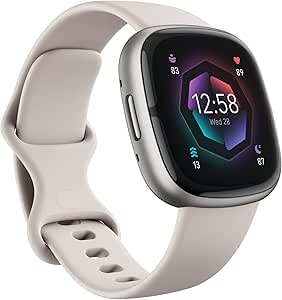
Fitbit Sense 2 Health and Fitness Smartwatch (Lunar White/Platinum)

Garmin Forerunner 570 GPS Running Smartwatch, 47mm, Aluminum, Black
As an affiliate, we earn on qualifying purchases.
From Dietary Gaps to Targeted Nutrients
The report frames supplements as an addition to, rather than a replacement for, a varied diet. It points to dietary surveys as showing that some people do not meet recommended intakes for particular vitamins and minerals, while warning that population averages do not describe every individual. A person’s intake may differ because of health, food access, preferences or difficulty eating.
It then distinguishes broad coverage from targeted use. Multivitamins generally combine multiple micronutrients; blends combine selected ingredients for a stated purpose; and single-nutrient products supply one vitamin or mineral. The report lists calcium and vitamin D among ingredients commonly included in bone-focused products and names lutein, zeaxanthin and zinc as ingredients used in some eye-health formulations. These are descriptions of products, not evidence that a particular formula delivers a health outcome.
The article also notes that supplement labels may not clearly explain the evidence behind a claimed purpose, in part because rules limit which health claims can appear. Its discussion should be read as a consumer-oriented overview rather than a clinical guideline: the supplied material does not cite specific studies, compare product effectiveness, or set out a formal review of risks and benefits.
““it depends on why you want to take them!””
— Sixty and Me report
Evidence and Personal Needs Still Vary
The supplied report does not establish which supplement is best for healthy aging across the population. It provides no systematic evidence review, product comparison, or details about the studies behind its examples of targeted blends. The one-in-two estimate is not accompanied by a survey date or methodology in the material provided.
It is also unclear from the report which nutrients a particular reader may need, whether symptoms reflect a deficiency, or whether a supplement could interact with a person’s medicines or health conditions. Product ingredients and amounts can differ, and a label’s stated purpose does not demonstrate that the product will achieve that result. Individual decisions, including whether testing is appropriate, remain matters for discussion with a qualified health professional.
Discuss a Plan With a Clinician
The report recommends using its overview as a starting point for a conversation with a doctor. Readers considering supplements can discuss their diet, the reason they are considering a product, existing conditions and medicines, and whether a deficiency has been identified. A clinician can advise whether a multivitamin, a targeted product, a single nutrient or no supplement is appropriate for that person.
Before choosing a product, readers can check the listed ingredients and doses and look for manufacturing-standard information such as CGMP in the United States or GMP in the United Kingdom. The supplied article gives no announced policy change, clinical trial result or scheduled follow-up; the next step it identifies is individualized discussion rather than a universal recommendation.
Key Questions
Does the report say multivitamins are best for healthy aging?
No. It says the choice depends on diet and the reason for taking a supplement. It presents a multivitamin as a possible way to address dietary gaps, not as a universal recommendation.
When might an individual nutrient be considered?
The report describes single nutrients as generally being recommended or prescribed for a specific need or identified deficiency. A qualified health professional can advise whether testing or treatment is appropriate.
Can a targeted supplement guarantee a health benefit?
No such guarantee is established in the supplied report. Its examples describe ingredients used in products marketed for particular purposes; they do not prove that a blend will produce a specific outcome for every user.
What should someone check before buying a supplement?
The report advises checking the product’s ingredients and amounts and looking for manufacturing-standard information, such as CGMP in the United States or GMP in the United Kingdom. It also recommends discussing supplement choices with a doctor, especially when a person has a health condition or takes medication.
Source: sixtyandme.com