

Getting restorative sleep is vital for keeping your hormones in check and supporting metabolic health. When you sleep well, your body balances insulin, cortisol, leptin, and ghrelin levels, helping control hunger, energy, and blood sugar. Poor sleep disrupts these hormones, increases fat storage, and hampers weight management efforts. To keep your metabolism running smoothly, sticking to a regular sleep schedule and creating the right environment matters. Keep exploring to find out how to optimize your sleep for better health.
Key Takeaways
- Restorative sleep restores hormone balance, including insulin, leptin, ghrelin, and cortisol, vital for metabolic health.
- Adequate sleep supports thyroid function, regulating metabolic rate and energy expenditure.
- Proper sleep reduces cortisol levels, decreasing fat storage and risk of insulin resistance.
- Quality sleep enhances growth hormone release, aiding muscle repair and fat metabolism.
- Consistent sleep patterns reinforce circadian rhythm, optimizing hormonal regulation and overall metabolism.

Getting enough quality sleep is essential for maintaining your metabolic health. When you don’t get enough restorative sleep, your body’s internal clock, known as your circadian rhythm, can become disrupted. Circadian disruption interferes with the natural timing of various physiological processes, including hormone production and regulation. This misalignment can lead to imbalances in hormones like insulin, cortisol, ghrelin, and leptin, all of which play critical roles in managing your metabolism. Without proper sleep, your hormonal regulation falters, making it harder for your body to process glucose efficiently and maintain healthy energy levels.
During restful sleep, your body works to restore and balance these hormones, ensuring your metabolism functions at its best. When sleep is insufficient or fragmented, the delicate hormonal regulation system becomes compromised. For example, lack of sleep increases cortisol levels, a stress hormone that promotes glucose production and fat storage. Elevated cortisol can lead to insulin resistance over time, raising your risk of developing type 2 diabetes. Simultaneously, sleep deprivation suppresses leptin, the hormone that signals fullness, and boosts ghrelin, which stimulates hunger. This hormonal shift can cause increased appetite and cravings for high-calorie foods, making it harder to maintain a healthy weight.
Poor sleep raises cortisol, increases hunger hormones, and impairs metabolic regulation, risking weight gain and insulin resistance.
Restorative sleep also supports the proper functioning of your thyroid gland, which produces hormones that regulate metabolic rate. When your sleep quality declines, thyroid hormone production can decrease, slowing down your metabolism and leading to weight gain. Moreover, sleep influences the release of growth hormone, which is essential for muscle repair and fat metabolism. Without enough deep, restorative sleep, your body doesn’t produce enough growth hormone, impairing your ability to build lean muscle and burn fat effectively. Additionally, consistent sleep patterns help reinforce your circadian rhythm, which is vital for optimal hormonal regulation.
It’s important to recognize that circadian disruption isn’t just about staying up late; it can also result from irregular sleep schedules, shift work, or exposure to artificial light at night. These disruptions throw off your internal clock, disturbing hormonal regulation and metabolic processes. To support your metabolic health, aim for consistent sleep patterns that align with your natural circadian rhythms. Prioritize good sleep hygiene by limiting screen time before bed, creating a dark, cool, and quiet sleep environment, and sticking to a regular sleep schedule. Doing so helps restore your circadian rhythm, enhances hormonal regulation, and guarantees your body’s metabolism runs smoothly, keeping you healthier and more energized.

Google Fitbit Inspire 3 – Midnight Zen/Black – Small and Large Bands
- Energy and Wellness Tracking: Helps you feel your best daily
- Device Compatibility: Works with iOS 16.4+ and Android 11+
- Activity Monitoring: Includes Daily Readiness, Zone Minutes, and 24/7 Heart Rate
As an affiliate, we earn on qualifying purchases.
As an affiliate, we earn on qualifying purchases.
Frequently Asked Questions
How Does Sleep Quality Impact Insulin Sensitivity?
Poor sleep quality decreases your insulin sensitivity, making it harder for your body to regulate blood sugar. Disruptions in circadian rhythms and sleep architecture impair hormone release and metabolic processes. When your sleep is restorative, your body maintains better circadian alignment, supporting ideal insulin function. Conversely, fragmented or insufficient sleep causes insulin resistance, increasing your risk of metabolic issues like type 2 diabetes. Prioritizing quality sleep helps keep your insulin sensitivity healthy.
Can Sleep Deprivation Cause Long-Term Metabolic Disorders?
Yes, sleep deprivation can lead to long-term metabolic disorders. When you don’t get enough sleep, it causes circadian disruption and hormonal imbalance, which impair your body’s ability to regulate glucose and fat metabolism. Over time, these changes increase your risk for conditions like obesity, type 2 diabetes, and cardiovascular disease. Prioritizing restorative sleep helps maintain hormonal balance and keeps your metabolic health in check.
What Are the Best Sleep Habits for Metabolic Health?
To improve your metabolic health, focus on good sleep hygiene and consistent bedtime routines. You should go to bed and wake up at the same time daily, avoid screens before sleep, and create a relaxing environment. Limiting caffeine and heavy meals close to bedtime also helps. These habits promote restorative sleep, which supports your body’s metabolic processes and overall health. Prioritize your sleep for better energy and metabolic function.
How Does REM Sleep Influence Hormone Regulation?
During REM sleep, your dream cycles activate, which plays a key role in hormone regulation. This stage helps maintain hormonal balance by supporting the production of hormones like cortisol, insulin, and leptin. When you get enough REM sleep, your body effectively manages these hormones, reducing the risk of metabolic issues. Skipping or disrupting REM sleep can throw off your hormonal balance, impacting your overall metabolic health.
Are Sleep Supplements Effective for Improving Metabolic Function?
Ever wonder if sleep supplements really boost your metabolic health? Melatonin supplements and herbal sleep aids can help improve sleep quality, but their impact on metabolism varies. While they may assist in falling asleep faster, they aren’t magic solutions for metabolic issues. To truly support your metabolic health, focus on consistent sleep routines and healthy lifestyle choices alongside any supplements. Are you ready to prioritize better sleep for better health?
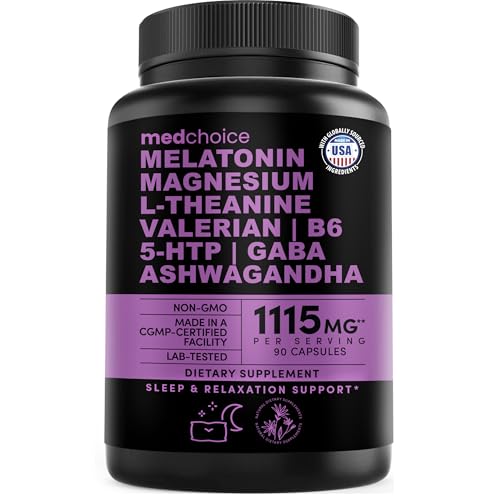
MEDCHOICE 12-in-1 Melatonin 5mg Sleep Capsules with Magnesium, 90ct
- Improved Non-Habit Forming Formula: Supports restful sleep naturally
- Powerful Ingredient Blend: Includes melatonin, magnesium, ashwagandha
- Promotes Calm and Relaxation: L-Theanine and magnesium support tranquility
As an affiliate, we earn on qualifying purchases.
As an affiliate, we earn on qualifying purchases.
Conclusion
Prioritizing restorative sleep can markedly boost your metabolic health. Did you know that just one week of poor sleep can impair insulin sensitivity, increasing your risk of type 2 diabetes? By ensuring you get enough quality sleep, you help regulate your hormones, control your appetite, and maintain a healthy weight. So, make sleep a non-negotiable part of your routine—you’ll feel more energized and reduce your risk of metabolic issues long-term.

Magicteam Sound White Noise Machine with 20 Non Looping Natural Soothing Sounds and Memory Function 32 Levels of Volume Powered by AC or USB and Sleep Sound Timer Therapy for Baby Kids Adults
- 20 Non-Looping Soothing Sounds: Includes white, brown, pink, blue noise, and nature sounds
- Adjustable Volume & Timer: 32 volume levels and multiple timer options
- Portable & Compact Design: Small size for home, office, or travel use
As an affiliate, we earn on qualifying purchases.
As an affiliate, we earn on qualifying purchases.

MZOO Luxury Sleep Mask for Women Men Patented Light Blocking Design
- Zero Eye Pressure: Deep 13mm arc-shaped eye cups
- Ideal for Side Sleepers: 15°-curved thin sides for comfort
- Complete Light Blocking: Contoured eye cups and 22mm nose padding
As an affiliate, we earn on qualifying purchases.
As an affiliate, we earn on qualifying purchases.