
To groom your pet at home, gather essential tools like a gentle brush, pet-specific shampoo, grooming scissors, nail clippers, and a slicker brush. Use proper techniques by being gentle, handling tools carefully, and always making sure your pet is calm and comfortable. Regular brushing and bathing help maintain their health, while trimming nails with care prevents discomfort. Keep safety in mind, and if you want to master these steps, there’s more to explore to ensure a positive grooming experience.
Key Takeaways
- Use appropriate grooming tools like gentle brushes, pet-specific shampoo, and blunt-ended scissors for safe, effective grooming.
- Handle tools carefully and work in a well-lit area to maintain control and precision during grooming sessions.
- Follow proper techniques for bathing, drying, and trimming nails to ensure pet safety and comfort.
- Regularly monitor your pet’s skin and coat for signs of health issues while maintaining hygiene routines.
- Keep the environment calm and positive with treats and breaks to reduce stress and encourage cooperation.
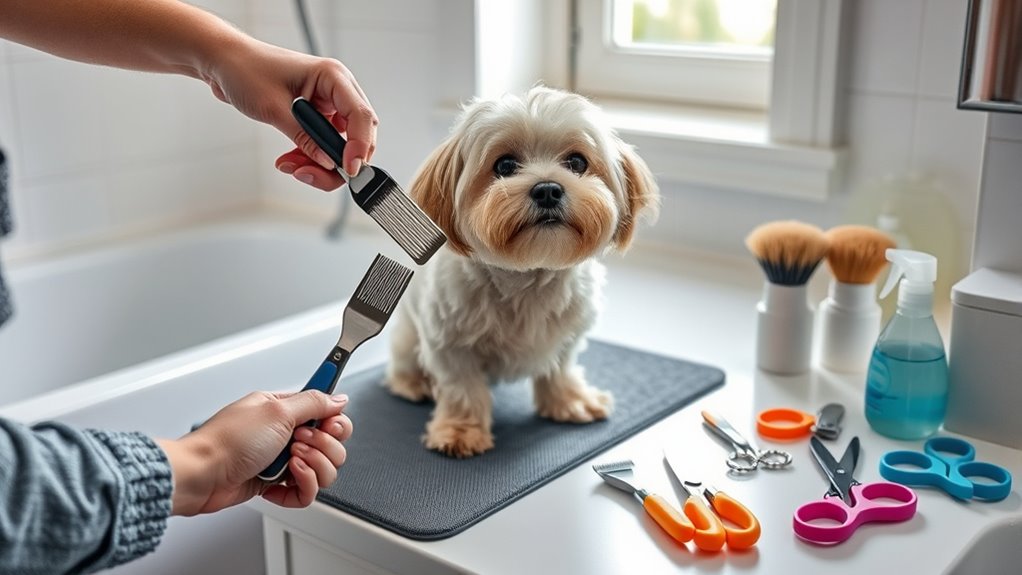
Have you ever wondered if you can groom your pet at home instead of visiting a professional? The idea of DIY pet grooming can be appealing—it saves money, allows you to bond with your furry friend, and gives you control over their grooming routine. However, it’s essential to prioritize grooming safety and pet hygiene every step of the way. Proper techniques and the right tools can help make the process safe and effective, ensuring your pet stays comfortable and clean.
DIY pet grooming can be rewarding with proper safety and hygiene practices to keep your pet comfortable and healthy.
Before you start, gather the necessary grooming tools. A good set includes a gentle brush suitable for your pet’s coat type, a high-quality dog or cat shampoo, grooming scissors, nail clippers, and a slicker brush or comb. Investing in the right equipment not only makes grooming easier but also helps prevent accidental injuries. When it comes to grooming safety, always handle tools carefully. Use blunt-ended scissors or grooming shears to avoid poking or cutting your pet’s skin. Keep sharp tools out of reach when not in use, and work in a well-lit area to maintain control and precision. Regular grooming can also help you monitor your pet’s skin for signs of health issues, such as skin infections or parasites.
Ensuring pet hygiene is the primary goal of grooming at home. Regular brushing helps remove loose fur, dirt, and debris, reducing the risk of skin infections or matting. Be gentle and patient—rushing can cause your pet stress or discomfort. When bathing, use lukewarm water and a shampoo formulated for pets. Avoid using human products, as they can irritate sensitive skin or disrupt the natural oils. During the bath, thoroughly rinse out all shampoo to prevent residue buildup, which can cause skin irritation. After bathing, dry your pet gently with a towel or a low-heat blow dryer designed for pets, making sure they’re completely dry to prevent chills or skin issues.
Trimming nails can be tricky, but with practice, it becomes easier. Use nail clippers specifically designed for pets, and trim only the tips to avoid hitting the quick, which can cause bleeding and pain. If you’re unsure, seek guidance from a veterinarian or professional groomer. Maintaining grooming safety involves keeping your pet calm and making the experience as positive as possible. Talk softly, give treats, and take breaks if your pet becomes anxious.
Incorporating these tools and techniques into your grooming routine helps uphold pet hygiene and guarantees safety. With patience and consistency, you can develop a grooming routine that keeps your pet healthy, comfortable, and looking their best—all from the comfort of your home.

Pet Grooming Kit for Dogs and Cats, 8 Tools with Storage Pouch
- Complete Grooming Kit: 8 tools with storage pouch
- Versatile for Dogs and Cats: Suitable for all coat types
- Efficient Coat Maintenance: Deshedding and grooming combs
As an affiliate, we earn on qualifying purchases.
As an affiliate, we earn on qualifying purchases.
Frequently Asked Questions
How Often Should I Groom My Pet at Home?
You should groom your pet at home at least once a month to maintain a good grooming schedule. Regular grooming helps keep your pet healthy by preventing matting, skin issues, and infections. Pay attention to your pet’s breed and coat type, adjusting frequency as needed. Consistent grooming not only promotes pet health but also strengthens your bond, ensuring your furry friend stays comfortable and happy.
What Are Signs My Pet Is Stressed During Grooming?
You might notice your pet showing signs of stress during grooming, like panting, trembling, or trying to escape. These are clear signs of pet anxiety. To help, use calming techniques such as gentle talking, treats, or a soothing voice. Keep sessions short and positive, and watch for signs of discomfort. Recognizing these signals helps you ease your pet’s stress, making grooming a calmer, more enjoyable experience for both of you.
Can I Groom Puppies or Kittens Myself?
Yes, you can groom puppies and kittens yourself, but focus on choosing grooming tools suited for their delicate skin and fur. Always prioritize pet grooming safety by being gentle and patient. Start with short, calm sessions, and use soft brushes and clippers designed for young animals. Watch for signs of stress or discomfort, and if you’re unsure, consult a vet or professional groomer to guarantee a safe, positive grooming experience.
What Safety Precautions Should I Take During Grooming?
You should always prioritize safety during grooming by wearing safety gear like gloves and using rounded scissors to prevent injuries. Keep your pet comfortable by handling them gently and taking breaks if they seem stressed. Make sure the grooming area is secure and free of hazards. Staying calm and patient helps your pet stay relaxed, ensuring a safer, more pleasant grooming experience for both of you.
How Do I Handle Matted Fur Effectively?
To handle matted fur effectively, start by preventing future mats with regular brushing and proper grooming routines. Use gentle detangling methods like a wide-tooth comb or a slicker brush, working slowly from tips to roots. If mats are tight, carefully loosen them with your fingers or scissors, but avoid pulling harshly to prevent skin irritation. Consistent maintenance keeps your pet comfortable and reduces the need for difficult detangling sessions.

Pet Honesty Chlorhexidine Cat & Dog Seasonal Itch Relief Shampoo, for Allergies, Itching, Skin and Coat Supplement, Helps Shedding, Hot Spots, Deodorizing Dog Shampoo & Grooming Supplies,16oz
- Gentle Healing Shampoo: Soothes skin and promotes shine
- Veterinary Strength Formula: Contains aloe, free from harmful chemicals
- Effective Itch & Odor Relief: Reduces inflammation, hot spots, and odors
As an affiliate, we earn on qualifying purchases.
As an affiliate, we earn on qualifying purchases.
Conclusion
With the right tools and techniques, you become the artist of your pet’s beauty, turning grooming into a bonding masterpiece. Think of your efforts as sowing seeds of love and trust, which bloom into a happy, well-cared-for pet. Every snip and brushstroke builds a stronger bond, transforming your home into a spa sanctuary. So grab those clippers and brushes—your pet’s shining, pampered look is just a grooming session away, waiting to dazzle like a star.

Tweezerman Pet Grooming Scissors-Rounded Tip Trimming Scissor for Dogs/Cats
- Purpose: Ideal for trimming between grooming sessions
- Material: Stainless steel construction
- Design: Rounded safety tips for skin protection
As an affiliate, we earn on qualifying purchases.
As an affiliate, we earn on qualifying purchases.
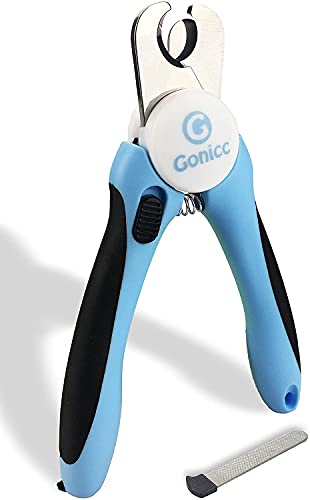
gonicc Professional Dog & Cat, Small Animals Nail Clippers & Trimmers
- Professional Vet & Groomer Recommended: Fast, safe, precise trimming for pets
- Ultra-Sharp Heavy-Duty Blades: 3.5mm stainless steel for clean cuts
- Built-In Safety Stop: Prevents over-cutting and protects quick
As an affiliate, we earn on qualifying purchases.
As an affiliate, we earn on qualifying purchases.