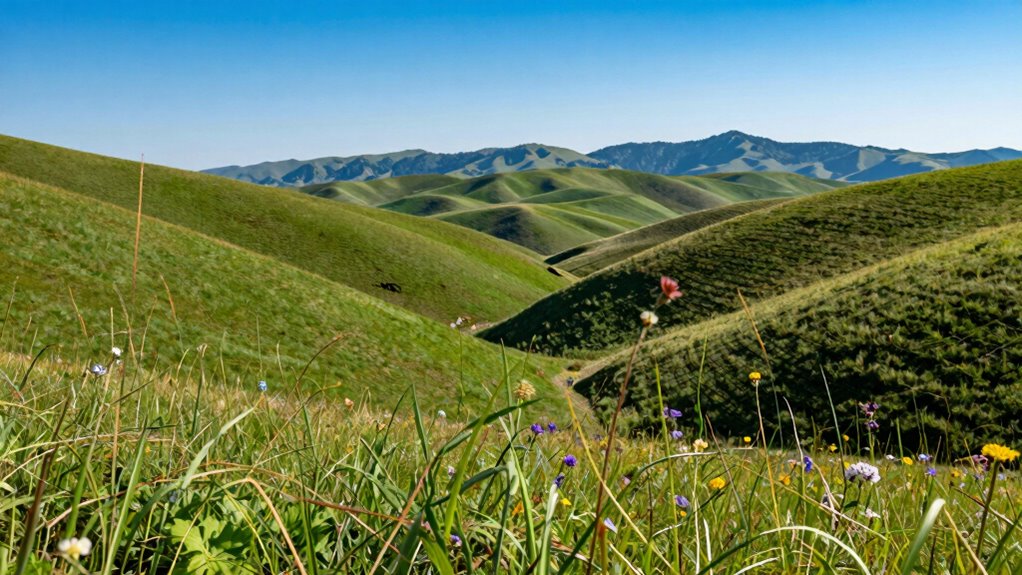

Choosing between full frame and APS-C depends on what you shoot and your priorities. If you want the best low-light performance, stunning background blur, and high detail, a full frame might suit you better, though it’s more expensive and heavier. If you prefer portability, faster autofocus, or shoot distant subjects like in sports, an APS-C offers great advantages. To find out which fits your style perfectly, explore more about sensor differences and their impact on your photography.

Turn quiet afternoons into listening time
- Thousands of audiobooks, podcasts and originals
- Listen on your phone, tablet or Echo — also offline
- Cancel anytime
Key Takeaways
- Choose full frame for superior low-light performance, better dynamic range, and shallow depth of field, ideal for portraits and landscapes.
- Opt for APS-C if you need a lightweight, portable camera with increased telephoto reach for sports and wildlife.
- Full frame is preferable for large prints and detailed, high-quality images; APS-C is suitable for casual, everyday photography.
- Consider budget and lens compatibility; APS-C cameras and lenses are generally more affordable and compact.
- Match your choice to your shooting style: artistic effects and image quality favor full frame, while versatility and portability suit APS-C.
As an affiliate, we earn on qualifying purchases.
What Are Full Frame and APS-C Sensors?

Full frame and APS-C sensors are two common types of image sensors used in digital cameras, and understanding their differences can help you choose the right camera for your needs. Full frame sensors are larger, typically about 36mm x 24mm, offering better light gathering and image quality. APS-C sensors are smaller, around 23mm x 15mm, but still deliver good results for many photographers. During sensor manufacturing, the size impacts how each sensor handles light, which influences image processing and overall quality. Larger sensors like full frame often require more advanced image processing to maximize their potential, especially in low-light conditions. Knowing these differences helps you select a camera that aligns with your shooting style and desired image quality. Additionally, the sensor size directly affects the depth of field and overall aesthetic of your photographs.
As an affiliate, we earn on qualifying purchases.
How Sensor Size Impacts Image Quality and Depth of Field

Since sensor size directly affects how your camera captures light, larger sensors generally produce higher image quality, especially in challenging lighting conditions. With a bigger sensor, you’ll notice:
- Less sensor noise in low-light scenes, resulting in cleaner images.
- Higher image resolution, capturing finer details with clarity.
- Shallower depth of field, creating a pleasing background blur that isolates your subject.
- Better dynamic range, allowing more detail in shadows and highlights.
A larger sensor gathers more light, reducing noise and enhancing overall image quality. This means your photos will look sharper, richer, and more professional. Conversely, smaller sensors tend to produce noisier images and have less control over depth of field, which can impact your creative options.
As an affiliate, we earn on qualifying purchases.
Choosing the Best Sensor for Landscape Photography
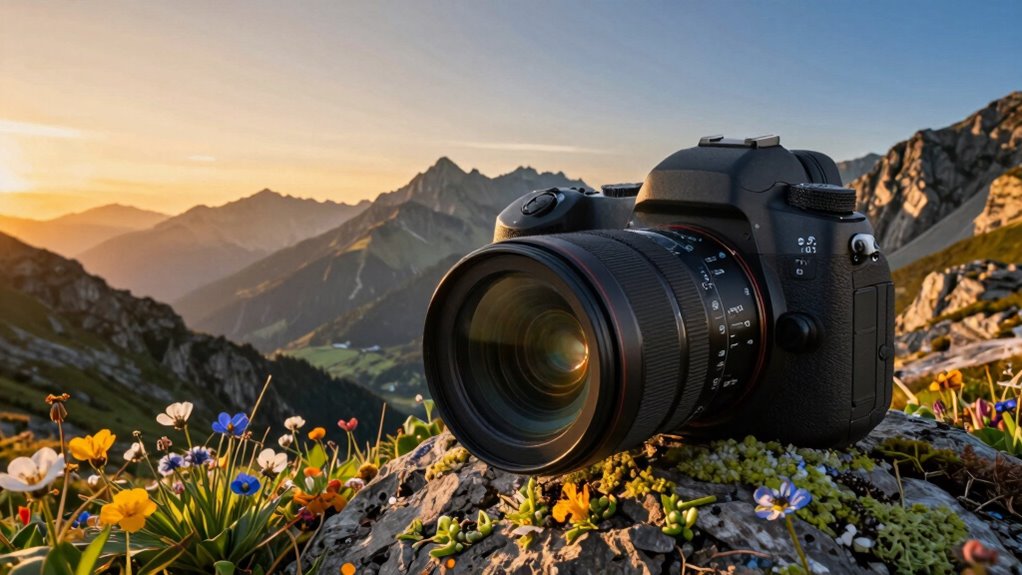
When choosing a sensor for landscape photography, the size of your camera’s sensor plays a crucial role in capturing expansive, detailed scenes. Full-frame sensors excel at capturing the night sky, offering better low-light performance and dynamic range, which reveals stars and celestial details clearly. They also produce higher resolution images, ideal for large prints and detailed landscape shots. If you enjoy wildlife photography, a larger sensor can help you crop tightly without losing image quality, capturing animals in their natural habitat with clarity. APS-C sensors, while smaller, are lighter and more affordable, making them suitable if you prioritize portability or travel frequently. Ultimately, your choice depends on whether you value maximum detail and low-light performance or prefer a lighter, more versatile camera setup.
As an affiliate, we earn on qualifying purchases.
Are APS-C Cameras Better for Sports and Action Shots?
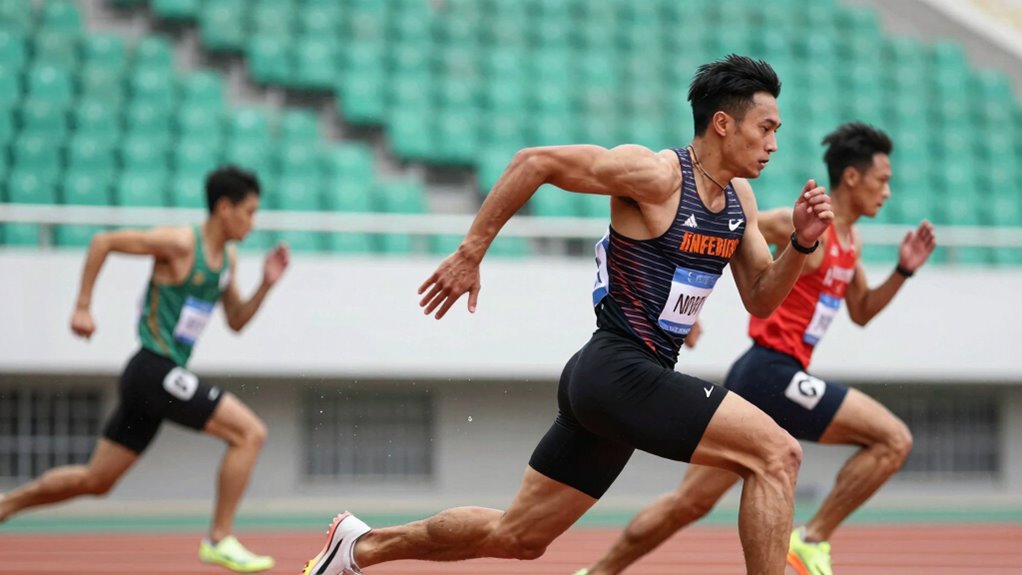
While full-frame sensors deliver impressive image quality, APS-C cameras have their own advantages for sports and action shots. Their smaller sensor size results in a crop factor, effectively boosting your telephoto reach. This allows you to get closer to fast-moving subjects without needing longer lenses. Sensor technology advances enable quick autofocus and high burst speeds, capturing rapid movements precisely. Additionally, camera ergonomics on APS-C models often favor lightweight, compact designs, reducing fatigue during long shoots. Imagine:
- Zooming in on a sprinter crossing the finish line,
- Tracking a soccer ball mid-flight,
- Following a cyclist weaving through traffic,
- Capturing a basketball dunk in crisp detail.
All these rely on the sensor tech and ergonomic handling that make APS-C cameras ideal for dynamic sports and action photography. Understanding contrast ratio can further help optimize your camera settings for better image quality in fast-paced scenes. Moreover, the sensor size influences depth of field and low-light performance, which can be crucial depending on your shooting conditions. A smaller sensor often performs better in low-light environments due to shorter exposure times and increased ISO capabilities.
Full Frame vs APS-C: Which Is Better for Portraits?

When choosing between full frame and APS-C for portraits, consider how each sensor affects background blur and subject separation. Full frame sensors typically offer better depth and more effective background isolation, making your subjects stand out. Additionally, lens options and compatibility can influence your decision, as some lenses perform better or are more widely available for one format over the other. Moreover, the choice of sensor size can impact the overall image quality and aesthetic, especially when using specific lenses like 85mm primes for portrait work.
Depth and Background Blur
Have you ever wondered how your camera’s sensor size influences the depth of field and background blur in portraits? With a full-frame sensor, you can create a shallow depth of field that makes your subject pop, with a beautifully blurred background. An APS-C sensor, while still capable, tends to produce a slightly deeper focus, making separation trickier. Imagine:
- Softly fading background lights blending into a smooth bokeh.
- Your subject sharply in focus, contrasting against a creamy, out-of-focus backdrop.
- Lighting techniques emphasizing contrast and highlights to enhance background separation.
- Post-processing tips that boost background blur or refine focus to achieve a professional look.
Both sensor types can deliver stunning portraits; success depends on your lighting techniques and editing choices.
Subject Isolation Effectiveness
Ever wondered why your subject often stands out more sharply against the background with a full-frame camera? It’s because full-frame sensors generally produce better background separation due to their larger size. This larger sensor allows you to achieve a shallower depth of field, resulting in smoother bokeh and more effective subject isolation. The bokeh smoothness from full-frame lenses enhances the aesthetic quality of portraits, making your subject pop while the background blurs seamlessly. APS-C cameras can also isolate subjects well, but their smaller sensors typically require longer lenses or wider apertures to match full-frame background separation. If you want that professional, creamy background and sharp subject focus, a full-frame camera provides a noticeable advantage in subject isolation.
Lens Compatibility and Choices
Choosing the right lens for portrait photography depends heavily on the camera’s sensor size, as each system offers different compatibility and options. With full-frame cameras, you’ll find a wide variety of lenses designed specifically for high-resolution images and precise sensor calibration. APS-C cameras, however, often require lenses with a crop factor, affecting focal length choices. Consider these aspects:
- Larger lenses for full-frame cameras, providing better background blur.
- Crop factor in APS-C lenses, making wide-angle shots more challenging.
- Compatibility with image stabilization features, crucial for sharp portraits.
- Sensor calibration differences, impacting focus accuracy and lens performance.
Your choice influences lens availability, focusing precision, and stabilization options, shaping your portrait results. Both systems demand understanding their compatibility to optimize image quality.
How Sensor Size and Camera Weight Affect Shooting Comfort
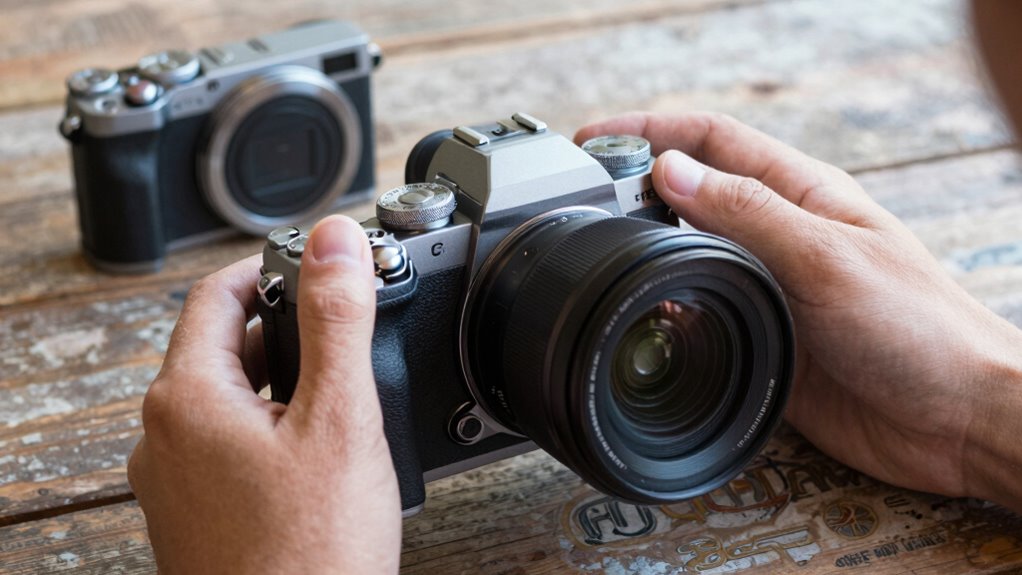
The weight of your camera influences how comfortably you handle it during shoots, especially over long periods. Heavier models can cause fatigue and make precise movements harder, while lighter ones often feel more balanced. Consider how the size and weight affect your ability to maneuver smoothly and stay comfortable throughout your sessions. Additionally, choosing a camera with outdoor seating options in mind can enhance your experience when capturing scenic shots outdoors. Understanding sensor size and its impact on image quality can also help you select the right camera for your specific needs.
Weight Impact on Handling
When you hold a camera, its weight directly influences how comfortably and steadily you can shoot, especially during extended sessions. Heavier cameras, often full-frame models, can cause fatigue, impacting your stability and focus. Picture:
- Feeling the solid grip of a robust body, confident in sensor durability.
- Struggling to hold a heavy camera steady as your arm tires.
- Noticing shorter battery life due to increased power demands.
- Reaching for a lighter, more manageable APS-C model that eases handling.
Sensor size affects weight, which in turn affects handling and fatigue. A lighter camera allows for more precise shots and less strain, especially over long periods. Plus, compact designs improve portability without sacrificing sensor durability or battery life, making shooting more comfortable and efficient. Incorporating camera ergonomics like comfortable grips and adjustable straps can also enhance your shooting experience, reducing fatigue and improving stability during extended sessions.
Comfort During Extended Shoots
Extended shoots demand a camera that feels comfortable to hold and easy to manage for long periods. Sensor size and weight directly influence your ergonomics and grip, impacting comfort. Larger sensors like full frames tend to add weight, which can cause fatigue, but often feature better battery life, reducing the need for frequent recharges. Smaller APS-C cameras are lighter and more portable, easing handling during long sessions, but may have shorter battery life. The right choice depends on your shooting style and comfort preferences.
| Aspect | Full Frame | APS-C |
|---|---|---|
| Ergonomics & Grip | Larger, often more comfortable | Smaller, easier to handle |
| Weight | Heavier | Lighter |
| Battery Life | Usually longer | Shorter |
| Extended Comfort | Better grip, but fatigue possible | Easier to hold, less tiring |
| Portability | Less portable | Highly portable |
Balance and Maneuverability
Ever wondered how sensor size and camera weight influence your ability to move smoothly and maintain balance while shooting? A smaller APS-C sensor camera tends to be lighter, helping you stay agile during fast-paced shoots. Conversely, a full-frame camera offers greater sensor durability, but often adds weight, making long shoots more tiring. Consider these factors:
- You can easily switch angles without feeling off-balance with a lighter camera.
- Reduced weight minimizes fatigue during extended sessions.
- Smaller bodies allow for quicker adjustments and easier maneuvering.
- Battery life may vary; larger sensors often drain batteries faster, impacting your shooting endurance.
- The compact design of smaller sensor cameras can be particularly advantageous when navigating tight or uneven outdoor spaces, such as a farmhouse patio or garden.
Choosing based on your shooting style ensures comfort, control, and confidence—whether you’re crawling low or reaching high.
Are Full Frame Cameras Worth the Higher Cost?

Deciding whether a full frame camera is worth the higher price depends on your photography goals and budget. Sensor manufacturing plays a key role, as full frame sensors typically offer better image quality, dynamic range, and low-light performance. Flywheels and engine upgrades are analogous to sensor quality in photography, as both significantly impact overall performance and output. A well-built sensor can make a noticeable difference in your final images. Additionally, camera ergonomics such as grip comfort and control placement can greatly influence your shooting experience, especially during extended sessions. camera ergonomics also matter; full frame models often have larger, more comfortable grips and controls, enhancing user experience during extended shooting sessions. If you prioritize professional-quality images, especially in low light or high-contrast situations, investing in a full frame camera can be worthwhile. But if you’re just starting out or shooting casual photos, the added expense might not justify the benefits. Considering AI-powered data analytics can further help assess your specific requirements and optimize your choice. Furthermore, understanding how sensor size impacts your lens selection and overall system compatibility can streamline your decision-making process.
Lens Compatibility: Which Lenses Fit Full Frame and APS-C Cameras?
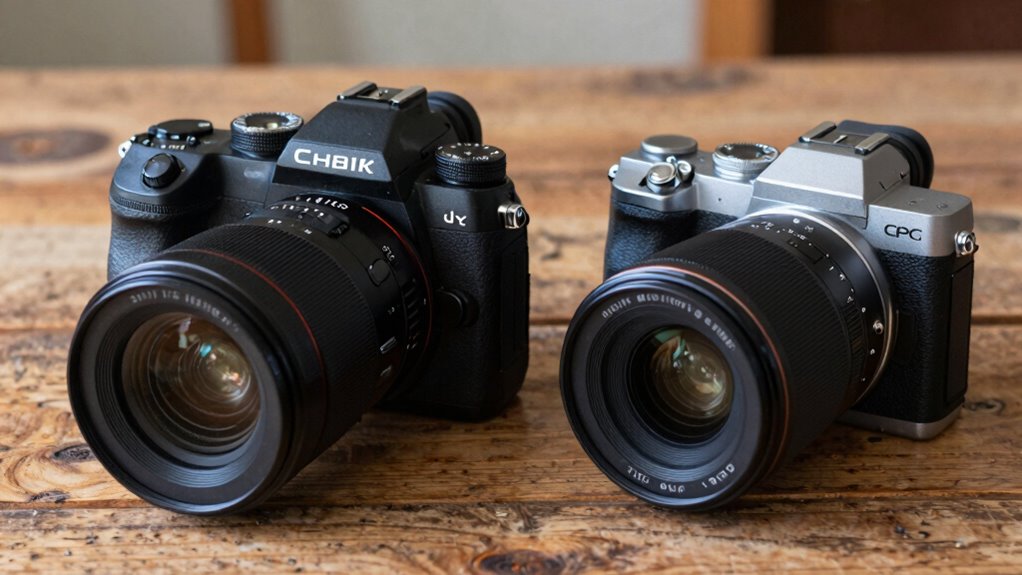
Your camera’s lens mount determines which lenses you can use, so it’s important to check compatibility between full frame and APS-C models. Autofocus speed and accuracy, along with maximum aperture, also affect your lens choices and overall image quality. Knowing these factors helps you select the right lenses for your camera system and shooting style. Additionally, understanding privacy policy and cookie management can enhance your browsing experience when researching camera gear online.
Lens Mount Compatibility
Lens mount compatibility is a crucial factor when choosing between full frame and APS-C cameras, as it determines which lenses you can use with your camera body. Your choice impacts sensor manufacturing, which influences lens design and compatibility, and camera ergonomics, affecting handling and usability. Consider these points:
- Some lens mounts are proprietary, limiting lens options for specific brands.
- Full frame cameras often support wider, more versatile lenses due to larger sensor size.
- APS-C lenses tend to be smaller and lighter, improving portability.
- Using an adapter can sometimes expand compatibility, but may affect performance and handling.
Understanding these factors helps guarantee your lens collection matches your shooting style and camera system, avoiding frustration and maximizing your investment.
Autofocus and Aperture
Have you ever wondered if your favorite lenses will autofocus and operate properly on different camera systems? Autofocus accuracy varies between full-frame and APS-C cameras, especially with older lenses or third-party options. Many lenses designed for full-frame cameras can autofocus on APS-C bodies, but sometimes with reduced speed or precision. Conversely, APS-C lenses often lack the autofocus features needed for full-frame cameras. Aperture versatility is another factor; full-frame lenses typically offer wider maximum apertures, providing better control over depth of field and low-light performance. When choosing lenses, consider whether they’re optimized for your camera’s sensor size. Compatibility isn’t just about fitting—proper autofocus and aperture performance can make or break your shooting experience. Sensor size also influences how lenses perform, especially in terms of image quality and field of view.
How Sensor Size Affects Low-Light Performance
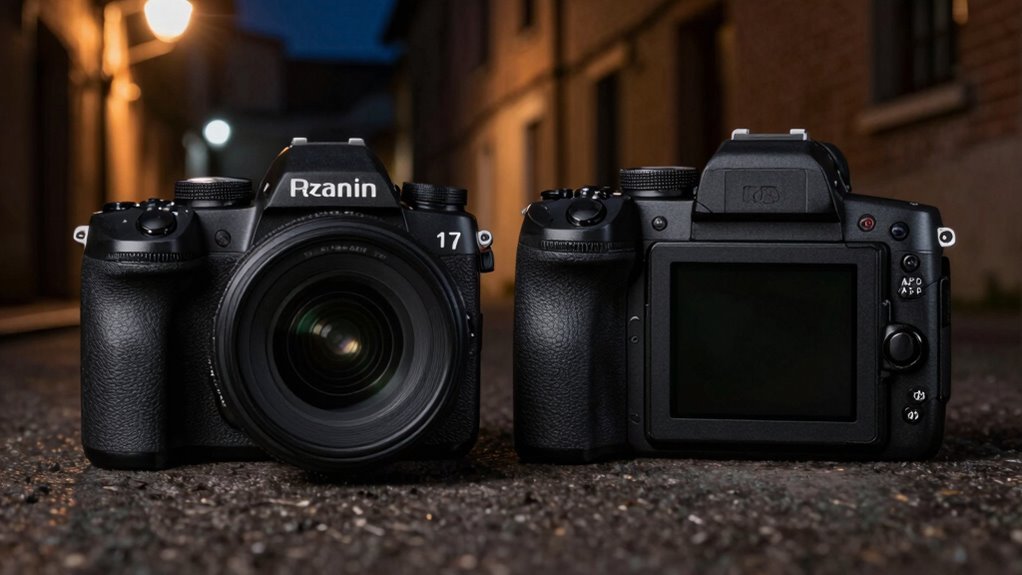
Sensor size plays a critical role in low-light photography because larger sensors can gather more light, resulting in better image quality in dim conditions. With a bigger sensor, you’ll notice:
- Reduced sensor noise, making images cleaner and clearer.
- Greater image clarity, capturing more detail even in darkness.
- Better control over depth of field for artistic effects.
- Improved performance at higher ISO settings without sacrificing quality.
- Additionally, understanding toilet flushing mechanisms can help in optimizing water use, similar to how sensor size influences light collection. Recognizing sensor technology advancements can also enhance your ability to capture high-quality images in challenging lighting conditions.
Smaller sensors tend to produce noisier images because they struggle to collect enough light, especially in low-light situations. Larger sensors, like full-frame, excel at maintaining sharpness and reducing noise, giving you crisp, clear photos even in challenging lighting. Your choice of sensor size directly impacts the quality of your low-light shots.
Matching Your Camera Sensor to Your Shooting Style and Budget

Choosing the right camera sensor depends largely on your shooting style and budget, as each factor influences your overall experience and results. Sensor manufacturing quality varies, affecting image clarity, durability, and cost. Full-frame sensors often come from advanced manufacturing processes, offering better low-light performance but at a higher price. APS-C sensors are more affordable, with simpler manufacturing, making them ideal for beginners or those on a budget. Additionally, camera ergonomics matter—larger sensors usually mean larger, heavier bodies, which might be less comfortable for handheld shooting. Consider how often you’ll shoot, your priorities, and whether you value portability or top-tier image quality. Understanding sensor differences can help you make a more informed decision aligned with your needs. Recognizing the manufacturing quality of sensors can also influence their durability and long-term performance. Factors like sensor size and the quality of the manufacturing process can significantly impact the sensor’s longevity and reliability. A well-made sensor not only improves image quality but also contributes to the overall sensor durability, ensuring your equipment remains reliable over time. Matching your sensor selection to your style ensures you get a camera that feels right and produces the results you want without overspending. A thorough understanding of sensor manufacturing can also guide you in choosing equipment that offers better longevity and performance over time.
Frequently Asked Questions
How Does Sensor Size Influence Autofocus Performance?
Sensor size impacts autofocus performance by affecting sensor noise and depth of field. Larger sensors, like full frame, produce less sensor noise, allowing autofocus systems to operate more accurately, especially in low light. They also create a shallower depth of field, making autofocus essential for subject separation. Smaller sensors, such as APS-C, may struggle more with noise, but their autofocus can be faster and more responsive in bright conditions.
Can APS-C Cameras Effectively Replace Full-Frame for Professional Work?
Yes, APS-C cameras can effectively replace full-frame for professional work, especially with lens compatibility and image stabilization features. Modern APS-C models offer high image quality, fast autofocus, and excellent low-light performance, making them versatile for many professional situations. Plus, their smaller size and lower cost can be advantageous. While full-frame cameras have advantages, APS-C options are increasingly capable, allowing professionals to adapt based on their specific needs and shooting conditions.
What Are the Maintenance Differences Between Full-Frame and APS-C Sensors?
You’ll find that maintaining APS-C sensors is generally easier than full-frame ones due to their smaller size. Both require regular cleaning to prevent sensor dust, but you might find APS-C sensors less prone to dust accumulation. Use gentle cleaning techniques like sensor swabs or air blowers to remove dust without damage. Keep your camera’s sensor clean by cleaning it regularly, especially after changing lenses in dusty environments.
Do Sensor Sizes Affect Battery Life Significantly?
Sensor sizes do impact battery life, though not dramatically. A larger sensor, like full frame, often consumes more power because it requires more energy to operate the bigger sensor and associated components. This affects power consumption and sensor longevity, potentially leading to quicker battery drain during extended shoots. You might notice about a 10-15% decrease in battery life compared to smaller APS-C sensors, especially with frequent use.
How Do Sensor Sizes Impact the Overall Camera Durability and Weather Sealing?
Sensor size influences your camera’s durability and weather sealing, but it’s not the only factor. Larger sensors often have better dust resistance and more robust build quality, helping prevent sensor dust from entering. They also support enhanced image stabilization systems, protecting your shots in challenging conditions. Smaller sensors may be less durable and more prone to dust ingress, so consider your shooting environment and choose a camera with solid weather sealing for reliable performance.
Conclusion
Ultimately, choosing between full frame and APS-C depends on what you want to capture and how you prefer to shoot. While each has its subtle strengths, neither is necessarily better—just different tools for different visions. Think about your style, your budget, and the kind of images you dream of creating. With a little patience, you’ll find the perfect fit that helps bring your photographic aspirations to life, quietly guiding you toward your ideal gear.
Fall Picks
fall essentials
As an affiliate, we earn on qualifying purchases.