
TL;DR

Turn quiet afternoons into listening time
- Thousands of audiobooks, podcasts and originals
- Listen on your phone, tablet or Echo — also offline
- Cancel anytime
IXI has developed prototype glasses with autofocus lenses that detect eye movements and automatically adjust focus. The technology could eliminate the need for multifocal glasses for age-related farsightedness, with commercial launch expected next year.
IXI has announced that its prototype autofocus glasses, equipped with liquid crystal lenses and eye-tracking technology, are nearing commercial readiness, potentially replacing traditional multifocal glasses for age-related farsightedness.
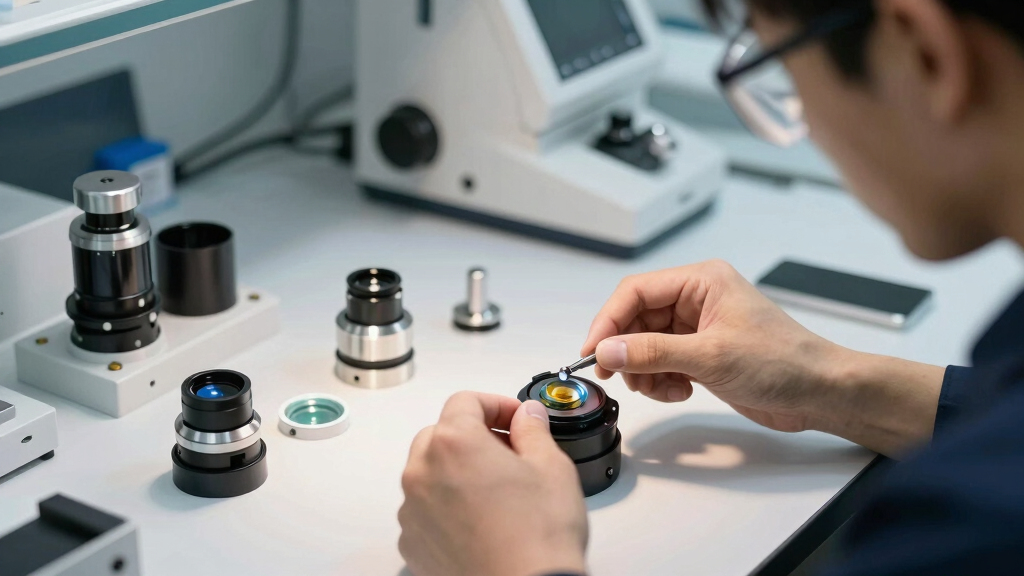
IXI’s glasses use a system of infrared LEDs and photodiodes embedded in the frame to track eye movements, blinking, and gaze direction with low power consumption. The technology, which is housed mainly in the frame’s arms, enables the liquid crystal lenses to instantly switch focus, providing a seamless experience for users.
The prototypes are lightweight, comparable in weight to traditional glasses, and feature batteries similar in size to AirPods, with a single charge lasting about a day. The lenses are thin, can be integrated into existing prescriptions, and also correct for astigmatism.
Beyond vision correction, the sensors can monitor blink rate and gaze to provide insights into health conditions, fatigue, and attention. The company aims to position the final product as a luxury eyewear option, with partnerships already in place for manufacturing, and plans to launch commercially within the next year.
Why It Matters
This development could significantly impact the eyewear industry by providing a more integrated, convenient solution for presbyopia and other eye conditions. It may reduce reliance on multiple pairs of glasses, improve user experience, and introduce health monitoring features. The technology also signals a step toward smarter, more adaptive eyewear.
Products Worth Considering

Withings Sleep Under-Mattress Sleep Tracking Pad

Oura Ring 5 Smart Ring – Silver – Size 10

Levoit Core 600S-P Smart Air Purifier for Large Rooms
As an affiliate, we earn on qualifying purchases.
Background
Traditional multifocal and progressive lenses have remained largely unchanged since the 1950s. Recent efforts in smart glasses have focused on augmented reality and face-based wearables, but functional vision correction remains largely static. IXI’s innovation aims to modernize this space with dynamic, automatic focus adjustment, leveraging advances in low-power eye tracking and liquid crystal display tech.
“Our glasses can detect where you’re focusing and adjust instantly, offering a seamless transition between near and far vision without the need for multiple pairs.”
— Niko Eiden, CEO and co-founder of IXI
“The technology is still in prototype stage, but we are confident it will meet medical standards and be available commercially next year.”
— Eiden
What Remains Unclear
It remains unclear when IXI will obtain necessary medical certifications to sell the glasses commercially, and whether the final product will fully meet all regulatory requirements. Additionally, user acceptance and real-world performance are still to be demonstrated at scale.
What’s Next
IXI plans to complete certification processes and begin mass production in the coming months. The company aims to launch its first commercial product sometime next year, with further refinements based on user testing and regulatory feedback.
Key Questions
When will IXI’s autofocus glasses be available for purchase?
IXI expects to launch its first product commercially sometime next year, pending regulatory approval and manufacturing readiness.
How do the lenses automatically adjust focus?
The glasses use infrared sensors and LEDs to track eye movements, which then trigger liquid crystal lenses to switch focus instantly, mimicking natural eye adjustment.
Will these glasses replace all types of prescription lenses?
They are designed primarily for age-related farsightedness but could potentially be adapted for other prescriptions, including astigmatism correction, in future versions.
What health insights can the glasses provide?
The sensors can monitor blink rate, gaze, and posture, offering insights into fatigue, attention, and eye health, which can be accessed via a companion app.
Source: Hacker News