Practicing gratitude and mindfulness can considerably reduce your stress by shifting your focus from worries to positive aspects of life. These habits strengthen your emotional resilience, helping you stay grounded and adaptable amid challenges. Incorporating simple techniques like journaling or deep breathing reinforces this positive outlook and rewires your brain to notice good things more often. Keep exploring, and you’ll discover effective ways to build lasting emotional strength through gratitude.
Key Takeaways
- Gratitude shifts focus from worries to positive aspects, reducing stress and promoting emotional resilience.
- Practicing mindfulness enhances gratitude, increasing present-moment awareness and calming the mind.
- Regular gratitude habits buffer against negative emotions like anxiety and frustration.
- Expressing gratitude fosters a more adaptable outlook, helping manage challenges with confidence.
- Long-term gratitude practice supports overall mental health, promoting calm and balanced stress responses.
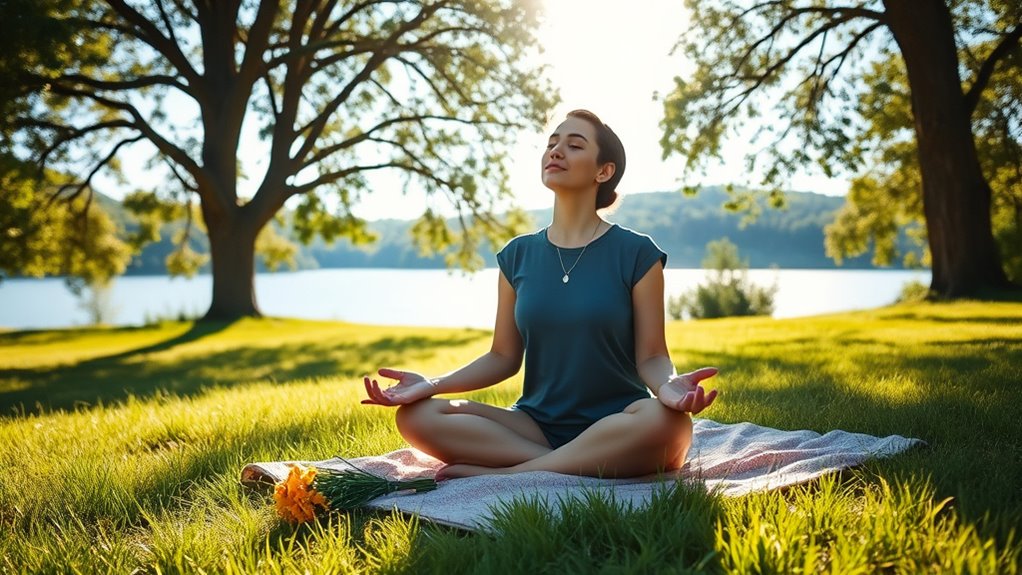
When life feels overwhelming, practicing gratitude can be a powerful way to reduce stress and regain perspective. It shifts your focus from worries and uncertainties to the positive aspects of your life, helping you feel more grounded and centered. Incorporating mindfulness practices into your daily routine enhances this effect, allowing you to become more aware of your thoughts and emotions without judgment. As you cultivate a habit of gratitude, you strengthen your emotional resilience, making it easier to bounce back from setbacks and manage stress more effectively.
Mindfulness practices, such as meditation, deep breathing, or journaling, are essential tools in fostering a grateful mindset. When you take a few moments each day to pause and reflect, you become more attuned to the present moment. This heightened awareness helps you notice small blessings—like a warm cup of coffee, a friendly smile, or the beauty of a sunset—that might otherwise go unnoticed. Recognizing these moments encourages a sense of appreciation and shifts your mental state away from negativity. Over time, this practice rewires your brain to focus on what’s good in your life, reducing the emotional impact of stressors.
Building emotional resilience is a key benefit of gratitude. When you regularly acknowledge what you’re thankful for, you develop a more adaptable outlook on life’s challenges. Instead of feeling overwhelmed by difficulties, you learn to see them as opportunities for growth. Gratitude acts as a buffer against negative emotions, helping you manage anxiety and frustration more effectively. It reinforces positive feelings, which in turn boosts your confidence and optimism. As your emotional resilience grows, you’ll find yourself better equipped to handle stress without becoming drained or overwhelmed. Additionally, understanding cultural and regional breakfast traditions can remind you of the diverse ways people find comfort and connection, which can be uplifting during stressful times.
Practicing gratitude isn’t just about thinking happy thoughts; it’s about actively engaging with your feelings and experiences. When you incorporate mindfulness practices into your gratitude routine, you create a cycle of positive reinforcement. For example, writing down three things you’re grateful for each morning can set a tone of appreciation for the day ahead. This consistent effort helps you build emotional strength and reduces the intensity of stress reactions. Over time, you may notice that even in difficult situations, your response becomes calmer and more balanced because you’ve trained your mind to focus on what’s meaningful and positive.
Regularly practicing gratitude and mindfulness builds emotional strength and promotes calm, balanced responses to stress.
Ultimately, integrating gratitude and mindfulness into your daily life empowers you to take control of your emotional well-being. Instead of letting stress dictate your mood, you actively choose to focus on the good, nurturing your emotional resilience. This mindset not only diminishes stress in the moment but also cultivates a more optimistic outlook, supporting your overall mental health and happiness. Mindfulness techniques can serve as powerful tools to deepen your gratitude practice and enhance your emotional stability. Additionally, understanding industry trends can help you stay motivated and informed as you develop your resilience habits. Engaging in consistent gratitude practices further reinforces this positive cycle, making resilience a natural part of your daily routine. Incorporating stress management strategies can further optimize your ability to maintain emotional balance during challenging times.

YeeBeny Breathing lamp Guided 3 Color 478s Meditation for Stress Relief
- Stress Relief Breathing Lamp: Helps reduce stress and anxiety
- Soft Silicone Material: Made of high-quality, soft silicone
- Elegant White Design: Stylish and decorative for any room
As an affiliate, we earn on qualifying purchases.
As an affiliate, we earn on qualifying purchases.
Frequently Asked Questions
Can Gratitude Practices Replace Professional Stress Management Techniques?
You might wonder if gratitude practices can replace professional stress management techniques. While gratitude journaling and mindfulness meditation are effective for reducing stress, they should complement, not replace, professional help. These practices can improve your mental health, but complex issues often require expert guidance. Incorporate gratitude and mindfulness into your routine alongside therapy or counseling for a balanced approach to managing stress effectively.
How Quickly Can Gratitude Impact Stress Levels?
You might wonder how quickly gratitude can impact stress levels. You could notice an instant impact after practicing gratitude, like feeling calmer or more positive right away. With consistent practice, these feelings can have lasting effects, helping you manage stress better over time. While it might not eliminate all stress instantly, regularly expressing gratitude can strengthen your resilience and improve your overall well-being in both short and long-term ways.
Are There Specific Gratitude Exercises Most Effective for Stress Relief?
Imagine your mind as a garden, and gratitude exercises are the seeds that help it flourish. You’ll find mindfulness meditation particularly effective, as it centers your thoughts on positive aspects. Journaling exercises, where you write down moments of gratitude, deepen this practice. Together, these techniques clear mental weeds and nurture calm, making stress easier to manage. Consistent practice transforms your mental garden into a peaceful, resilient space.
Does Gratitude Benefit Mental Health Beyond Stress Reduction?
You might wonder if gratitude benefits mental health beyond just reducing stress. It does—by boosting emotional resilience, helping you cope better with challenges. Practicing gratitude also enhances your social support, strengthening relationships and creating a positive feedback loop. When you regularly acknowledge what you’re thankful for, you build a stronger mindset and better connections, which together contribute to improved mental health overall.
Can Gratitude Improve Physical Health Alongside Stress Reduction?
Have you ever wondered if gratitude can boost your physical health too? When you practice gratitude journaling or gratitude meditation regularly, you may notice improved immune function, lower blood pressure, and better sleep. Isn’t it amazing how simple acts of thankfulness can positively impact your body? By embracing these practices, you not only reduce stress but also support your overall well-being, making gratitude a powerful tool for a healthier life.

The Gratitude Journal – for More Mindfulness, Happiness, Positive Vibes, Affirmations, Productivity, and Self Reflection -Undated Daily Journal
- Promotes Happiness and Mindfulness: Backed by psychology research for positive emotions
- Quick Daily Gratitude Practice: Spend a few minutes to reflect and appreciate
- Undated, Flexible Use: Six months of undated daily entries
As an affiliate, we earn on qualifying purchases.
As an affiliate, we earn on qualifying purchases.
Conclusion
Practicing gratitude not only shifts your focus from stressors to positive aspects but also activates your brain’s reward system, boosting your overall well-being. Research suggests that regularly expressing gratitude can lower cortisol levels, which reduces stress hormones. While it’s not a cure-all, embracing gratitude creates a resilient mindset, helping you navigate life’s challenges with greater ease. So, make gratitude a daily habit—you might find it’s one of the most powerful tools for managing stress.

Deep Breathing Exercises For Anxiety: Discover How To Reduce Anxiety With These 6 Simple Breathing Exercises
As an affiliate, we earn on qualifying purchases.
As an affiliate, we earn on qualifying purchases.

The Relaxation and Stress Reduction Workbook
As an affiliate, we earn on qualifying purchases.
As an affiliate, we earn on qualifying purchases.