Automatic fall detection systems can call for help when a wearer falls and cannot press an SOS button, but coverage, response services, and wearable design vary widely. I rank the ADT On-The-Go Mobile Medical Alert System as the best overall for buyers who want a recognizable monitoring service, while the Safety+ 4G Medical Alert System and SecuLife SOS Wristband stand out for GPS-focused mobile use. The main tradeoff is between a dedicated alert service and a smartwatch-style device with added features, since the latter may bring more setup and subscription questions. I also compare simpler wristbands, broader health features, and a no-monthly-fee watch. Read on for the full breakdown and the right fit for different routines.

Turn quiet afternoons into listening time
- Thousands of audiobooks, podcasts and originals
- Listen on your phone, tablet or Echo — also offline
- Cancel anytime
Complete the kit


Key Takeaways
- Monitoring model matters as much as fall detection: ADT and other service-based options should be compared by who receives an alert and what response follows, not just by the presence of a sensor.
- GPS and two-way calling favor active wearers: SecuLife SOS, SureSafeGO, and Safety+ are more relevant to people who leave home than a home-only alert device.
- Extra smartwatch features add complexity: The SecuLife cellular smartwatch lists health tracking and reminders, but those additions may be less useful than simple SOS access for someone who needs a straightforward alert.
- The no-monthly-fee claim needs context: SkyAngelSPORT may appeal to buyers avoiding recurring charges, but they should confirm exactly how its 911 calling and fall alerts work before relying on it.
- Wearability can decide whether a system helps: Wristbands, watches, and pendants suit different habits, so comfort, charging, waterproofing, and willingness to wear the device daily separate the practical choices.
| Elderly Medical Alert System – Wear on Wrist with Fall Detection |  | Best No-Monthly-Fee Pick | Fall detection: Automatic | Monitoring charge: No monthly charge | Wear options: Wrist, neck lanyard, or belt clip | VIEW LATEST PRICE | See Our Full Breakdown |
| Seculife Medical Alert Smartband for Seniors with Fall Detection & GPS |  | Best for Health and Location Monitoring | Fall detection: Fall alerts | Connectivity: GPS, GPRS, satellite navigation, and two-way calling | Display: 2-inch medical alert smartwatch display | VIEW LATEST PRICE | See Our Full Breakdown |
| SecuLife SOS Wristband for Seniors with Fall Detection, GPS Tracking, and Two-Way Calling |  | Best for Hands-Free Calling | Fall detection: Automatic | Location features: GPS tracking and geofencing | Calling: Two-way voice calling with hands-free auto-answer | VIEW LATEST PRICE | See Our Full Breakdown |
| SureSafeGO Medical Alert System for Seniors with GPS Tracking and Fall Detection |  | Best for Longer Time Between Charges | Fall detection: Included | Connectivity: AT&T 4G | Battery life: Up to 4 days | VIEW LATEST PRICE | See Our Full Breakdown |
| Seculife Cellular Medical Alert Smartwatch for Seniors with Fall Detection, GPS Tracking, SOS Button, Heart Rate & Blood Pressure Monitor, Pedometer, 2-Way Calling, Medical Reminders, IP67 Waterproof |  | Best for Health Tracking and Reminders | Fall detection: Yes | GPS: Tracking with 1-year history | Emergency and calling: SOS button and two-way calling | VIEW LATEST PRICE | See Our Full Breakdown |
| Safety+ 4G Medical Alert System with Fall Detection and GPS |  | Best for Long Battery Life | Coverage: Nationwide 4G | Battery life: Up to 6 days | Fall detection: Yes | VIEW LATEST PRICE | See Our Full Breakdown |
| Fall Detection Smart Watch for Seniors with GPS Tracking, SOS Alert & HD Video Call, Waterproof Fitness Tracker for Dementia/Alzheimer’s, 4G Safety |  | Best for Video Contact | Fall detection: Yes | GPS tracking: Yes | SOS alert: Yes | VIEW LATEST PRICE | See Our Full Breakdown |
| Audar E2 Senior Smartwatch with Fall Detection & SOS |  | Best for Extended Battery and Global Use | Sensors: Heart rate, blood pressure, blood oxygen (SpO₂), body temperature | Connectivity: Built-in SIM; IoT networks in 20+ countries | Battery life: Up to 10 days active use; 30 days standby | VIEW LATEST PRICE | See Our Full Breakdown |
| ADT On-The-Go Mobile Medical Alert System with Fall Detection Pendant |  | Best for Professional Monitoring | Monitoring service: Monthly plan required | Network: AT&T | Device type: Medical alert with fall detection | VIEW LATEST PRICE | See Our Full Breakdown |
| SkyAngelSPORT Fall Detection Watch Waterproof Call 911 No Monthly Fee |  | Best for Avoiding Monthly Fees | Fall detection: Automatic recognition | Emergency calling: Direct 911 call | Waterproof: Yes | VIEW LATEST PRICE | See Our Full Breakdown |
| automatic fall detection system | Fall detection | Water resistance | Battery life | Subscription |
|---|---|---|---|---|
| Elderly Medical Alert System | Automatic | Not specified | Not specified | — |
| Seculife Medical Alert Smartba | Fall alerts | Waterproof; listed depth of 1 meter | — | — |
| SecuLife SOS Wristband for Sen | Automatic | Waterproof | — | $25 per month for full features |
| SureSafeGO Medical Alert Syste | Included | Water-resistant | Up to 4 days | $24.99 per month, billed quarterly |
| Seculife Cellular Medical Aler | Yes | — | Not specified | Monthly subscription required for full features |
| Safety+ 4G Medical Alert Syste | Yes | Yes | Up to 6 days | $40/month after the first month |
| Fall Detection Smart Watch for | Yes | — | — | — |
| Audar E2 Senior Smartwatch wit | Yes | IP67 | Up to 10 days active use; 30 days standby | $35 annually after the first year |
| ADT On-The-Go Mobile Medical A | — | — | — | — |
| SkyAngelSPORT Fall Detection W | Automatic recognition | — | — | — |
More Details on Our Top Picks
Elderly Medical Alert System – Wear on Wrist with Fall Detection
For shoppers who want automatic fall detection without a recurring monitoring charge, this system is the clearest fit in this group. Its wrist, lanyard, and belt-clip options let the wearer choose a placement that suits daily routines, while the SecuLife and SureSafeGO devices add GPS location and two-way calling for people who need help away from home. That simpler setup may appeal to buyers who want fall alerts without paying for a wider connected service. The tradeoff is that the supplied details do not explain how alerts reach helpers, how long the battery lasts, or whether it can be worn in water. Fall detection can also trigger false alarms, so it may take some adjustment. I would choose it for fee-conscious households that value flexible wear, and skip it if location tracking or clearly described monitoring is a priority.
Pros:- Automatic fall detection can alert others when the wearer cannot press a button.
- No monthly monitoring charge avoids a recurring service expense.
- Wrist, lanyard, and belt-clip options accommodate different clothing and comfort preferences.
Cons:- The provided details do not specify how an alert is routed or who responds.
- Battery life and water resistance are not listed.
- Fall detection may produce false alarms.
Best for: Older adults and families who want automatic fall detection, multiple wearing options, and no monthly monitoring charge.
Not ideal for: People who need GPS tracking, two-way calling, water-resistance details, or a clearly specified alert-response service.
- Fall detection:Automatic
- Monitoring charge:No monthly charge
- Wear options:Wrist, neck lanyard, or belt clip
- ASIN:B01H2DNBSA
- Battery life:Not specified
- Water resistance:Not specified
Our verdict“Choose this for flexible wear and no monthly monitoring charge; choose SecuLife or SureSafeGO if GPS location support matters more.”
Seculife Medical Alert Smartband for Seniors with Fall Detection & GPS
The Seculife Smartband is the most feature-rich choice here for families who want fall alerts alongside location and health readings. GPS, geofencing, two-way calling, and heart rate monitoring give caregivers more ways to check in than the no-fee Elderly Medical Alert System, which lists multiple wear options but no location tools. Its two-inch display and large SOS button also make it easier to operate as a wrist-worn device. The price of that broader role is regular charging: the listed battery life is about one day, and full safety features require a monthly subscription. SureSafeGO lists up to four days per charge, so it may suit someone who dislikes daily charging better. I would pick this band when app-based location and health features matter, but skip it if low upkeep or a longer battery interval comes first.
Pros:- Combines fall alerts, GPS tracking, geofencing, SOS calling, and two-way calling.
- Lists heart rate, blood oxygen, and body temperature monitoring.
- Two-inch display and large SOS button support straightforward operation.
- Waterproof rating is listed to a depth of one meter.
Cons:- Listed battery life is only about one day per charge.
- A monthly subscription is required for full safety features.
- Provides basic smartwatch functions rather than replacing a smartphone.
Best for: Families who want app-based GPS and geofence checks, two-way calls, and health readings in a wrist-worn device.
Not ideal for: Wearers who may forget daily charging or buyers who want fall alerts without a monthly subscription.
- Fall detection:Fall alerts
- Connectivity:GPS, GPRS, satellite navigation, and two-way calling
- Display:2-inch medical alert smartwatch display
- Battery:680 mAh lithium polymer; about 1 day average life
- Water resistance:Waterproof; listed depth of 1 meter
- Health sensors:Heart rate, blood oxygen, and body temperature
- Compatibility:iOS and Android devices
- Additional features:Geofence and SOS calling
Our verdict“Choose this if caregiver location checks and health readings justify daily charging and a subscription.”
SecuLife SOS Wristband for Seniors with Fall Detection, GPS Tracking, and Two-Way Calling
Among these picks, the SecuLife SOS Wristband stands out for pairing automatic fall detection with hands-free calling: its auto-answer calling can help when someone cannot manage a phone after a fall. GPS tracking and geofencing add a way for caregivers to follow location, much like the Seculife Medical Alert Smartband, but the product details here are thinner on screen, battery, and health-monitoring specifics. The lightweight, waterproof design is geared toward daily wear, while a one-button emergency call keeps the main action simple. That convenience comes with a $25 monthly subscriptionI would choose this wristband for users who need voice contact without handling a phone; skip it if you want a well-documented battery life or dislike recurring fees.
Pros:- Automatic fall detection and one-button emergency calls cover both detected falls and deliberate SOS use.
- GPS tracking and geofencing support caregiver location monitoring.
- Hands-free auto-answer calling can be useful when the wearer cannot operate a phone.
- Waterproof design is intended for daily wear.
Cons:- Full features require a $25 monthly subscription.
- Battery life and long-term durability details are not provided.
Best for: Seniors or people with medical conditions who need automatic fall alerts, caregiver location checks, and voice contact that can answer hands-free.
Not ideal for: Buyers who want published battery-life details, extensive health monitoring, or a no-subscription device.
- Fall detection:Automatic
- Location features:GPS tracking and geofencing
- Calling:Two-way voice calling with hands-free auto-answer
- Emergency control:One-button emergency call
- Water resistance:Waterproof
- Subscription:$25 per month for full features
- Warranty:1 year
Our verdict“Choose this for hands-free emergency calling with fall detection; choose the Seculife Smartband if you also want listed health readings and display details.”
SureSafeGO Medical Alert System for Seniors with GPS Tracking and Fall Detection
The SureSafeGO is the practical choice for someone who wants a mobile alert pendant and fewer charging interruptions. Its listed battery life of up to four days is longer than the roughly one day given for the Seculife Medical Alert Smartband, which can make it easier to keep a fall-detection device ready through ordinary routines. GPS tracking and AT&T 4G connectivity are intended to support use both indoors and outdoors, while the water-resistant pendant needs no base unit. The tradeoff is a $24.99 monthly subscription billed quarterly, and cellular connectivity is central to its operation. Compared with the no-monthly-fee Elderly Medical Alert System, this adds location support and a stated battery estimate but creates an ongoing cost. I would choose it for wearers who value multi-day battery life and GPS; skip it if subscription-free use is the main goal.
Pros:- Lists up to four days of battery life, longer than the one-day estimate for the Seculife Smartband.
- GPS tracking supports location assistance away from home.
- Water-resistant pendant is suited to regular daily wear.
- Setup includes a SIM card and full instructions, with no base unit needed.
Cons:- Ongoing service costs $24.99 per month and is billed quarterly.
- The system relies on AT&T 4G cellular connectivity.
- Water resistance is specified, but no depth rating is provided.
Best for: Older adults who want a GPS-enabled mobile pendant and prefer charging every few days rather than daily.
Not ideal for: People seeking a no-fee system or those who need service where AT&T 4G coverage is unavailable.
- Fall detection:Included
- Connectivity:AT&T 4G
- Battery life:Up to 4 days
- Water resistance:Water-resistant
- Subscription:$24.99 per month, billed quarterly
- Included:SIM card and full instructions
- Base unit:Not required
- Location feature:GPS tracking
Our verdict“Choose SureSafeGO if GPS and up to four days between charges are worth the recurring cellular service cost.”
This Seculife smartwatch makes the most sense for buyers who want a fall alert device to double as a daily health and medication companion. Along with GPS, its listed functions include heart rate, blood pressure, and blood oxygen monitoring, a pedometer, and medical reminders. That is a broader health feature set than the Seculife SOS Wristband, whose supplied details focus on calling, location, and fall alerts. The large SOS button and two-way calling keep emergency contact accessible, while the IP67 rating offers a stated level of dust and water protection. Buyers should weigh those extras against the monthly subscription for full features. Battery life is not specified, unlike SureSafeGO’s up-to-four-day figure, so charging needs are harder to judge. I would choose it for someone who will use the reminders and readings; skip it if predictable battery life or a simpler alert device matters more.
Pros:- Combines fall detection, GPS tracking, and an SOS button.
- Lists heart rate, blood pressure, and blood oxygen monitoring plus a pedometer.
- Medical reminders may help users keep a regular medication routine.
- IP67 rating provides a stated dust and water protection level.
Cons:- A monthly subscription is required for full features.
- Battery life is not specified.
- Long-term durability details are limited.
Best for: Seniors who want fall detection alongside medication reminders, GPS history, and several health-tracking functions on a smartwatch.
Not ideal for: Wearers who only need emergency alerts or buyers who need a stated battery life before committing to a connected watch.
- Fall detection:Yes
- GPS:Tracking with 1-year history
- Emergency and calling:SOS button and two-way calling
- Health tracking:Heart rate, blood pressure, blood oxygen, and pedometer
- Reminders:Medical reminders
- Water and dust rating:IP67
- Battery life:Not specified
- Subscription:Monthly subscription required for full features
Our verdict“Choose this smartwatch if health readings and reminders will be used alongside fall detection, and accept a subscription and unknown battery interval.”
Safety+ 4G Medical Alert System with Fall Detection and GPS
Safety+ suits seniors who want a dedicated alert device with GPS and caregiver access, without needing a smartphone. Its battery lasts up to six days, which can mean fewer charging interruptions than a watch that needs more frequent attention. Compared with the ADT On-The-Go Mobile Medical Alert System, Safety+ lists GPS and caregiver app access, giving family members more location visibility; ADT instead emphasizes professional monitoring. The tradeoff is a $40 monthly subscription after the first month, and the device depends on 4G cellular coverage. Water resistance and the included lanyard and belt clip offer practical wearing choices, but buyers should check local network coverage and confirm what monitoring services the plan includes before relying on it.
Pros:- Up to six days of stated battery life
- GPS and caregiver app access support remote location checks
- No smartphone is needed for basic device operation
- Water-resistant design with lanyard and belt clip included
Cons:- $40 monthly subscription after the first month
- Operation depends on cellular coverage
- Limited to 4G coverage areas
Best for: Seniors who want a phone-free alert device with GPS sharing and several days between charges
Not ideal for: People who want to avoid ongoing fees or live where compatible 4G coverage is unreliable
- Coverage:Nationwide 4G
- Battery life:Up to 6 days
- Fall detection:Yes
- GPS:Yes
- Water resistance:Yes
- Included:Device, charging dock, lanyard, belt clip, caregiver app access
- Subscription:$40/month after the first month
Our verdict“Choose Safety+ if you want GPS and caregiver app access in a dedicated alert device and accept its recurring fee.”
Fall Detection Smart Watch for Seniors with GPS Tracking, SOS Alert & HD Video Call, Waterproof Fitness Tracker for Dementia/Alzheimer’s, 4G Safety
Video calling sets this watch apart for families who want a way to check in visually as well as receive alerts. It combines fall detection, GPS tracking, SOS, and health tracking in a wearable format, while its included data service lasts one year. Compared with the Audar E2 Senior Smartwatch, this model specifically lists HD 4G video calls; Audar instead highlights global IoT connectivity and longer stated battery life. That extra communication option comes with a service caveat: the pre-installed SIM is data-only and does not support voice calls, and voice calling requires a compatible SIM. After the year of free data, ongoing service may also add cost. Buyers should check which calling functions work with their chosen SIM and local network.
Pros:- HD 4G video calling is listed alongside fall detection and SOS
- Real-time GPS tracking and geo-fencing support location monitoring
- IP67 waterproof rating
- Works with iPhone and Android and includes one year of data
Cons:- The supplied data-only SIM does not support voice calls
- Voice calling needs a compatible SIM
- Free data service is limited to one year
Best for: Families seeking a GPS-tracking senior watch with video check-ins and a year of included data
Not ideal for: Buyers who need standard voice calling out of the box or want to avoid future data charges
- Fall detection:Yes
- GPS tracking:Yes
- SOS alert:Yes
- Video calling:HD 4G
- Waterproof rating:IP67
- Health monitoring:Heart rate, blood pressure, sleep tracking
- SIM and data:Pre-installed data-only SIM; 1 year of free data
- Compatibility:iPhone and Android
Our verdict“Pick this watch for video check-ins and location features if you are prepared to sort out voice service and future data costs.”
Audar E2 Senior Smartwatch with Fall Detection & SOS
Audar E2 pairs fall alerts with a broad set of health sensors and a stated battery life of up to 10 days of active use. That makes it a candidate for people who want one wrist-worn device for routine tracking and emergency assistance, with less frequent charging than the Fall Detection Smart Watch for Seniors with GPS Tracking, whose supplied details do not list battery life. Audar also lists built-in SIM connectivity across IoT networks in more than 20 countries, which may suit some international users. The extra monitoring comes with limits: blood pressure calibration requires a cuff, and reports or alert services can cost extra. A $35 annual subscription applies after the first year, so buyers should confirm which features need renewal before choosing it as their main fall alert.
Pros:- Up to 10 days of active use and 30 days on standby are stated
- Fall detection and SOS alerts are included
- Tracks heart rate, blood pressure, SpO₂, and body temperature
- Built-in SIM supports IoT networks in 20+ countries
Cons:- A blood pressure cuff is required for calibration
- Reports and alert services may cost extra
- $35 annual subscription applies after the first year
Best for: Seniors who want a long-running health-tracking watch with fall alerts and connectivity across multiple countries
Not ideal for: People seeking a no-fee device or who want blood pressure readings without cuff calibration
- Sensors:Heart rate, blood pressure, blood oxygen (SpO₂), body temperature
- Connectivity:Built-in SIM; IoT networks in 20+ countries
- Battery life:Up to 10 days active use; 30 days standby
- Water resistance:IP67
- Strap size:135–238 mm wrist circumference
- Fall detection:Yes
- Subscription:$35 annually after the first year
Our verdict“Choose Audar E2 if extended battery life and broad health tracking matter more to you than subscription-free operation.”
ADT On-The-Go Mobile Medical Alert System with Fall Detection Pendant
ADT On-The-Go is the monitoring-led choice in this group: the supplied details specify professional monitoring and caregiver updates, with help started through a button press. That focus may suit someone who values a staffed response path more than the extensive health tracking offered by the Audar E2 Senior Smartwatch. The tradeoff is that ADT lists a monthly plan requirement and AT&T network use, while the available product details do not state battery life or device range. Those omissions make it harder to judge how often the pendant needs charging or how far it can be from its base or phone. Its waterproof design supports everyday wear, but buyers should confirm plan pricing, coverage, battery expectations, and how fall detection works before purchase.
Pros:- Professional monitoring service is specified
- Caregiver updates are included in the described service
- Simple phone activation and one-button help access
- Waterproof device design
Cons:- A monthly monitoring plan is required
- Device range is not specified in the supplied details
- Battery life is not specified in the supplied details
Best for: Seniors and caregivers who prioritize professional monitoring and caregiver updates over smartwatch health features
Not ideal for: Buyers who want clear published battery and range details or do not want a monthly monitoring plan
- Monitoring service:Monthly plan required
- Network:AT&T
- Device type:Medical alert with fall detection
- Waterproof:Yes
- Activation:Phone activation
- Caregiver updates:Yes
Our verdict“Choose ADT On-The-Go if professional monitoring is your priority and you confirm the plan, coverage, range, and battery details first.”
SkyAngelSPORT Fall Detection Watch Waterproof Call 911 No Monthly Fee
SkyAngelSPORT’s main distinction is direct 911 calling without a monthly emergency-service fee, which may appeal to buyers who do not want a monitoring subscription. Its automatic fall recognition and wellness tracking put it closer to a smartwatch than the ADT On-The-Go Mobile Medical Alert System, which centers on professional monitoring and caregiver updates. That difference matters: calling 911 directly is not the same as having a monitoring service coordinate a response, and location accuracy may depend on the local 911 system. The watch also lists heart rate, blood pressure, blood oxygen, and step tracking, but fall detection may miss some falls. Network quality can affect two-way voice communication, so this pick makes most sense where cellular service is dependable and the wearer can use its calling features.
Pros:- No monthly fee for emergency services is listed
- Automatic fall recognition
- Waterproof design for everyday wear
- Wellness tracking includes heart rate, blood pressure, blood oxygen, and steps
Cons:- Fall detection may not recognize every fall
- Location accuracy depends in part on local 911 systems
- Two-way voice quality depends on network conditions
Best for: Independent seniors who want automatic fall recognition and direct 911 calling without a monthly service fee
Not ideal for: People who need a staffed monitoring service or depend on precise location sharing and reliable voice calls everywhere
- Fall detection:Automatic recognition
- Emergency calling:Direct 911 call
- Waterproof:Yes
- Wellness monitoring:Heart rate, blood pressure, blood oxygen, pedometer
- Connectivity:Cellular network
- Monthly fee:No monthly fee for emergency services
- Designed for:Seniors, individuals with medical concerns, independent living
Our verdict“Pick SkyAngelSPORT if avoiding a monthly service fee matters most and direct 911 access fits your needs.”
How We Picked
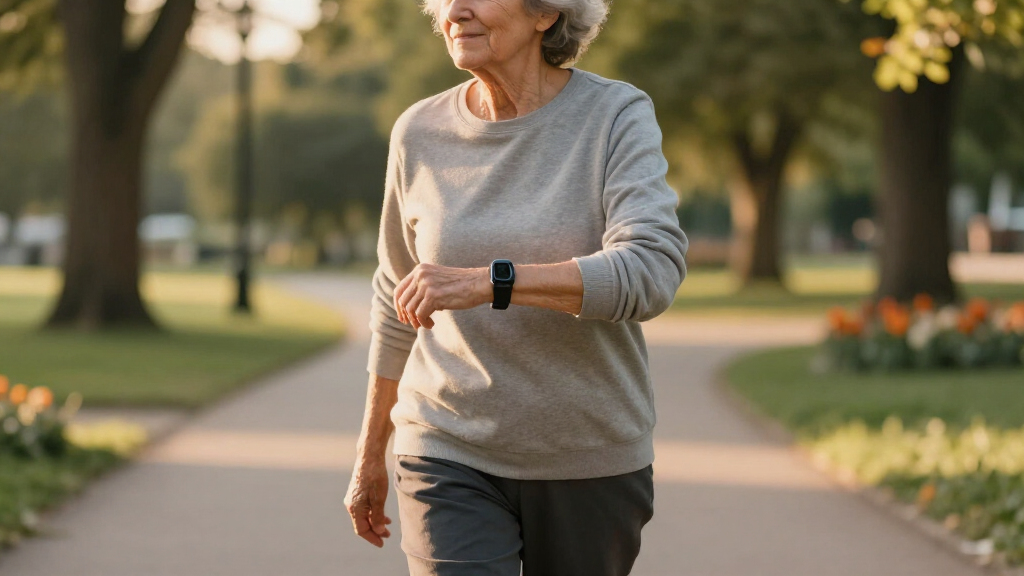
I ranked these systems around the job buyers need them to do: detect a possible fall, get an alert to the right person or service, and remain wearable during everyday routines. I gave weight to the stated presence of automatic fall detection, GPS for outings, two-way calling, SOS access, and clarity about monitoring or ongoing costs. A device with many health or fitness features did not automatically rank above a simpler alert wearable, because added functions only help if the wearer can use and keep the device charged.
The order reflects the available product descriptions and the apparent use case, not independent testing or a guarantee of detection accuracy. Products with a clearer medical-alert focus and a plausible path to assistance rank ahead of feature-heavy watches whose response model requires closer checking. I also considered the tradeoff between established alert services, mobile GPS wearables, and options promoted as having no monthly fee; buyers should confirm cellular coverage, service terms, and emergency routing before choosing.
| automatic fall detection system | Fall detection | Battery life | Water resistance | Subscription |
|---|---|---|---|---|
| Elderly Medical Alert System | Automatic | Not specified | Not specified | — |
| Seculife Medical Alert Smartba | Fall alerts | — | Waterproof; listed depth of 1 meter | — |
| SecuLife SOS Wristband for Sen | Automatic | — | Waterproof | $25 per month for full features |
| SureSafeGO Medical Alert Syste | Included | Up to 4 days | Water-resistant | $24.99 per month, billed quarterly |
| Seculife Cellular Medical Aler | Yes | Not specified | — | Monthly subscription required for full features |
| Safety+ 4G Medical Alert Syste | Yes | Up to 6 days | Yes | $40/month after the first month |
| Fall Detection Smart Watch for | Yes | — | — | — |
| Audar E2 Senior Smartwatch wit | Yes | Up to 10 days active use; 30 days standby | IP67 | $35 annually after the first year |
| ADT On-The-Go Mobile Medical A | — | — | — | — |
| SkyAngelSPORT Fall Detection W | Automatic recognition | — | — | — |
Factors to Consider When Choosing Automatic Fall Detection Systems
Before choosing a device, I would map the wearer’s daily routine to the way an alert is handled. A product name can promise fall detection, GPS, or emergency calling without answering practical questions about who gets notified, where coverage works, and what the wearer must do after a fall. These checks help prevent paying for features that do not fit the person’s habits.
Who Receives the Alert?
Automatic detection only helps when an alert reaches someone able to respond. Find out whether the device contacts a staffed monitoring center, family members, emergency services, or some combination, and whether a person confirms the alert before dispatch. Ask what happens if the wearer does not answer a call back. A direct 911 claim may not mean the same thing as a monitored medical-alert service with a response agent. Families should also decide who can reliably answer notifications at different times of day. Choose the response path first, then compare wearables that support it.
Home Coverage Versus Outings
GPS and cellular connectivity matter most when the wearer spends time away from home, but they add dependence on mobile coverage and battery life. Check whether service is included, which network it uses, and whether the intended areas have reliable reception. GPS location can help responders or family find someone outdoors, though indoor location may be less precise. A homebody may get more value from a simpler system designed around home coverage than from paying for mobile tracking. For regular walks or errands, consider how quickly location is shared and whether two-way calling lets the wearer explain what happened. Match the coverage to actual routines rather than buying the broadest spec sheet.
Fall Detection Is Not a Guarantee
Automatic fall detection can miss some falls or trigger an alert after a movement that was not a fall. Ask the seller how the wearer can cancel a false alarm and whether pressing SOS still works when automatic detection is uncertain. Do not assume every fall will be recognized, especially if the device sits loosely or is removed during sleep or bathing. A family response plan should include what to do when a notification arrives and how to check on the wearer. If the person can reliably press a button, a clear manual SOS option remains valuable. Treat automatic detection as one layer of support rather than a substitute for supervision or medical care.
Wearability, Charging, and Water
The best device is one the wearer keeps on, so try to match the form to established habits. Someone accustomed to a watch may resist a pendant, while another person may find a wristband cumbersome or forget to charge a smartwatch. Check battery expectations, charging routine, clasp security, and whether the device can be worn in the shower. Water resistance ratings describe specific exposure limits and do not automatically mean a device is safe for swimming. If memory or dexterity is a concern, favor simple controls and a charging setup a caregiver can check. Ask about replacement straps or accessories before treating a low price as the full cost.
Compare Total Cost and Service Terms
Separate the device price from any activation fee, cellular plan, monitoring subscription, or cancellation charge. A no-monthly-fee product can be attractive, but confirm whether it still needs a compatible phone, network service, or paid features to place alerts. For subscription options, ask what the fee covers and whether GPS, fall detection, and live response are all included. Check who owns the account and can update emergency contacts if the wearer’s needs change. Compare a realistic year of costs rather than the headline price alone. That calculation often clarifies whether a service-backed system or a simpler standalone wearable fits the household budget.
Frequently Asked Questions
Can automatic fall detection replace pressing an SOS button?
No system should be treated as a replacement for a manual SOS button. Detection may not recognize every fall, and a person who is conscious may be able to summon help faster by pressing the button. Check whether the wearable makes SOS easy to find and use, including for someone with limited dexterity. I would favor devices that support both automatic alerts and a clear manual call path. Families should also agree on what to do if a fall alert arrives but the wearer does not respond.
Should I choose a monitored alert service or a watch that calls 911?
That depends on who should receive the call and how much help the wearer may need explaining the situation. A monitored service may connect the wearer to an agent who can assess the alert and contact responders or family according to the service plan. A direct 911 feature may be simpler, but buyers should confirm how the call is placed, whether the wearer can speak through the device, and what happens if they cannot. Review monthly costs and service coverage alongside the response process. The right choice is the one whose alert path matches the wearer’s ability and the family’s availability.
Is GPS worth paying for if the wearer mostly stays at home?
GPS earns its cost when the person regularly goes on walks, runs errands, or may leave familiar areas without a companion. If the wearer stays home and has dependable help nearby, mobile location tracking may add little day-to-day value. Consider occasional outings too: a person’s routine can change, and a mobile system may be more useful if they are beginning to walk independently. Also verify cellular service and location sharing in the places they visit. Compare that recurring cost with the value of finding the wearer quickly away from home.
What should I check before buying a system advertised with no monthly fee?
Confirm whether the device can contact emergency services on its own or needs a paired phone, active cellular service, or another paid plan. Check what “no monthly fee” covers, including fall detection, GPS, two-way calling, and access to any app. Ask how emergency contacts receive alerts and whether a staffed response center is involved. Review the return policy and warranty in case the advertised call method does not work in the wearer’s area. A low ongoing cost is useful only if the alert route is dependable for the intended use.
How can I tell whether a smartwatch is too complicated for a senior?
Focus on the actions the wearer must perform during an ordinary day and in an emergency. If they need only automatic detection and a large SOS control, a device with many menus, reminders, and health displays may create friction. Ask whether setup, contact updates, charging, and troubleshooting can be handled by a caregiver. A trial period can reveal whether the wearer keeps it on and can place a call without coaching. Choose added features only when the wearer or caregiver will use them regularly.
Conclusion
I would start with the ADT On-The-Go for buyers who want a familiar medical-alert service, making it my best overall pick based on the listed focus. For a potentially lower-cost path, compare SkyAngelSPORT as the value option, after confirming what its no-monthly-fee 911 claim includes. The SecuLife cellular smartwatch is the premium-style choice for buyers who want health tracking and reminders alongside alerts, while the simpler Elderly Medical Alert wrist device may suit beginners who prefer fewer smartwatch functions. For active wearers who need location support, look at Safety+, SureSafeGO, or the GPS-equipped SecuLife SOS; choose among them by response service, coverage, and cost. Before purchase, verify alert routing, cellular availability, fall detection behavior, and charging expectations with the seller.