Insulin resistance makes it harder for your body to regulate blood sugar, increasing your risk of developing conditions like type 2 diabetes. When your cells don’t respond well to insulin, blood sugar stays high, and your pancreas works overtime. Measuring HOMA-IR helps you understand how well your body manages insulin and glucose. Staying informed about this balance is key to maintaining energy and health—continue to explore why it truly matters for your well-being.
Key Takeaways
- HOMA-IR measures insulin resistance, helping identify early metabolic imbalances before diabetes develops.
- Elevated HOMA-IR indicates cells are less responsive to insulin, disrupting blood sugar regulation.
- Monitoring HOMA-IR supports targeted lifestyle interventions like diet and exercise to improve insulin sensitivity.
- Insulin resistance affects overall metabolic health, increasing risks for cholesterol issues, inflammation, and chronic diseases.
- Regular HOMA-IR assessments aid in early detection and prevention of insulin resistance-related complications.

Insulin resistance is a condition where your body’s cells become less responsive to insulin, a hormone that helps regulate blood sugar levels. When this happens, your body needs more insulin to achieve the same effect, which can throw off the delicate balance of metabolic pathways responsible for energy production and storage. These pathways include processes like glucose uptake, glycogen synthesis, and fat storage, all of which depend heavily on proper hormone regulation. When insulin isn’t working effectively, these pathways become disrupted, leading to elevated blood sugar levels and increased strain on your pancreas.
Insulin resistance disrupts energy pathways, causing high blood sugar and increased strain on your pancreas.
Understanding how insulin fits into hormone regulation is essential. Insulin acts as a key messenger, signaling your cells to absorb glucose from the bloodstream. In insulin resistance, your cells’ response diminishes, causing blood sugar to stay high longer than it should. Over time, this persistent imbalance interferes with the normal metabolic pathways and can trigger a cascade of health issues. For example, your body might start to produce more insulin to compensate, which can eventually exhaust your pancreatic function. This cycle not only worsens insulin resistance but also influences other hormones involved in appetite, fat storage, and energy expenditure, compounding the problem.
The significance of measuring insulin resistance through tools like HOMA-IR becomes clear here. HOMA-IR provides a snapshot of how well your body is managing insulin and glucose levels, giving insight into the functioning of your metabolic pathways. By evaluating this index, you can identify early signs of metabolic imbalance before more serious conditions like type 2 diabetes develop. This early detection allows you to take targeted steps—such as improving your diet, increasing physical activity, or managing weight—to restore hormone regulation and optimize metabolic health.
Moreover, insulin resistance impacts more than just blood sugar. It affects lipid metabolism, leading to abnormal cholesterol levels, and can promote inflammation, which further hampers metabolic pathways. Recognizing these interconnected effects underscores why maintaining insulin sensitivity is critical for overall health. When your hormone regulation remains balanced, your metabolic pathways function smoothly, supporting energy production, muscle function, and even mental clarity.
In essence, insulin resistance isn’t just about blood sugar; it’s a sign that your body’s entire metabolic system is out of sync. Monitoring it with HOMA-IR helps you understand the underlying hormonal and metabolic disruptions. By addressing insulin resistance early, you can preserve your metabolic health, prevent chronic diseases, and improve your quality of life. Staying proactive with lifestyle changes and regular check-ups ensures these metabolic pathways stay on track, keeping you healthier and more energized every day. Additionally, metabolic pathways rely heavily on proper hormone regulation to function optimally, highlighting the importance of maintaining insulin sensitivity.
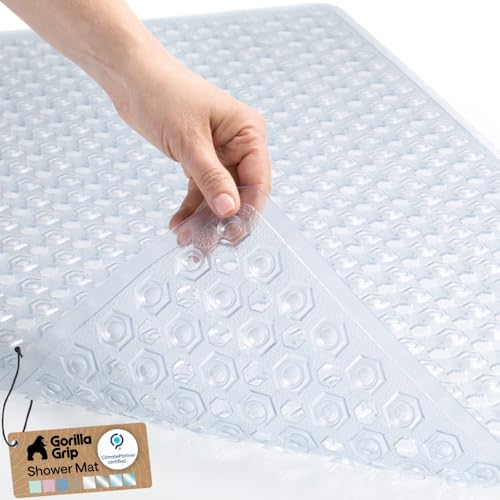
GORILLA GRIP Patented Bath Tub Shower Mat, Machine Washable Bathtub Floor Liner Mats, Suction Cups and Drain Holes to Keep Tubs Clean, Soft on Feet, Bathroom Essentials, 35x16 Inch, Clear
- Patented Design with Suction Cups: Securely stays in place with powerful suction
- Easy Water Drainage: Drain holes prevent water pooling
- BPA-Free and Textured: Soft, pebble-textured surface for comfort
As an affiliate, we earn on qualifying purchases.
Frequently Asked Questions
Can Insulin Resistance Be Reversed Naturally?
Yes, you can reverse insulin resistance naturally through lifestyle modifications and natural remedies. Focus on eating a balanced diet rich in fiber, healthy fats, and lean proteins, while reducing sugar and processed foods. Regular exercise, especially aerobic and strength training, improves insulin sensitivity. Additionally, natural remedies like cinnamon, apple cider vinegar, and supplements such as magnesium may help. Consistency in these habits can profoundly improve your insulin response over time.
How Does HOMA-IR Compare to Other Insulin Sensitivity Tests?
HOMA-IR is a popular, cost-effective alternative testing method for insulin sensitivity, but it isn’t as precise as the euglycemic clamp or IVGTT. You might find it easier and cheaper to use HOMA-IR for initial assessments, but if you need detailed insights, consider more advanced tests. Cost comparison shows HOMA-IR is generally more affordable, making it accessible for routine screening, while other tests provide more accurate data for complex cases.
Are There Specific Foods to Improve Insulin Sensitivity?
Think of your diet as a garden—what you plant influences what blooms. Superfoods to boost your insulin sensitivity include berries, leafy greens, and nuts. Incorporate dietary fiber tips like whole grains, beans, and vegetables to help your body respond better to insulin. These foods act like fuel for your body’s engine, improving insulin efficiency and keeping blood sugar levels steady. Start adding these to your meals today for better health.
What Are the Long-Term Health Risks of High HOMA-IR?
High HOMA-IR increases your risk of developing chronic diseases like type 2 diabetes and cardiovascular issues. It also signals a higher chance of metabolic syndrome, which can lead to weight gain, high blood pressure, and unhealthy cholesterol levels. Over time, these health problems can severely impact your quality of life, making it essential to monitor and manage your insulin sensitivity to prevent long-term complications.
Is Insulin Resistance Linked to Mental Health Conditions?
Mental health and hormonal balance often intertwine, and insulin resistance can indeed influence this connection. When your body struggles with insulin, it disrupts hormonal harmony, potentially causing mood swings, anxiety, or depression. This hormonal imbalance affects brain chemistry, making mental health conditions more likely. Recognizing this link helps you understand how insulin resistance isn’t just a physical issue but also impacts your mental well-being.

TEESHLY Bath Tub and Shower Mats, Non Slip 40 x 16 Inch Extra Large Bathtub Mat, Machine Washable Bathmat with Drain Holes, Suction Cups for Bathroom Floor, Gray
- Large Non-Slip Bath Mat: 40 x 16 inches with 362 suction cups
- Massage-Style Pebbled Design: Provides a massage-like shower experience
- Optimized Drainage Holes: 327 large holes for water flow
As an affiliate, we earn on qualifying purchases.
Conclusion
Understanding insulin resistance and HOMA-IR is like finding the key to a locked door—you hold the power to unbolt better health. By monitoring these markers, you’re steering your life away from potential health storms like diabetes. Think of it as tending a garden; regular care keeps harmful weeds at bay, allowing your wellness to flourish. Take control now, because your health is the foundation that supports everything else in your life.

YINENN Bath and Shower Safety Mats 40x16 inch, Non Slip with Suction Cups for Bathroom Stall and Tub Floor, Extra Large and Machine Washable, Drain Holes Keep Bathtub Clean, Clear
- Large Size for Full Coverage: 40x16 inch non-slip bath mat
- Secure Suction Cups: 200 powerful suction cups for stability
- Safe and Slip-Resistant: 360-degree anti-slip protection on smooth surfaces
As an affiliate, we earn on qualifying purchases.

homerella Bathtub Mat Non Slip 35x16 Shower Mat Non Slip Anti Mold BPA Free
- Non-Slip Design: 250+ anti-slip suction cups for secure grip
- Mold & Mildew Resistant: Machine washable with optimal water drainage
- Skin-Friendly Material: Odorless, BPA-free, eco-friendly vinyl
As an affiliate, we earn on qualifying purchases.