

TL;DR
More young men are taking testosterone, influenced by social media and influencers, often without medical guidance. This trend is associated with reduced sperm counts and potential infertility, raising health and societal concerns.
Recent reports indicate a significant increase in young men using testosterone, often without medical supervision, resulting in a rise in cases of low or absent sperm production. This trend, driven by social media influencers and cultural pressures for masculinity and physical perfection, poses potential health risks including infertility.
Data from medical professionals and studies show that prescriptions for testosterone have surged by 154 percent since 2020, especially among men aged 35 to 44. Many of these prescriptions are obtained through direct-to-consumer clinics that often do not adequately inform users about fertility risks. Experts like Justin Dubin, director of men’s sexual health, confirm that testosterone suppresses sperm production by signaling the testicles to stop producing sperm, a process that can be reversible but takes time. Despite this, many young men are unaware of these effects, influenced by social media figures such as Joe Rogan and Andrew Huberman, who discuss testosterone openly. The trend is compounded by societal pressures to attain idealized masculine physiques, often at the expense of reproductive health.
Why It Matters
This trend matters because it highlights a growing public health concern: young men risking infertility in pursuit of social and aesthetic ideals. The widespread use of testosterone without proper medical guidance may contribute to declining sperm counts globally, which some experts link to broader demographic shifts. Additionally, the phenomenon underscores how social media influences health behaviors and perceptions of masculinity, potentially leading to long-term reproductive and mental health consequences.

Prime Labs Testosterone Booster for Men, Supports Strength & Stamina
- Optimized Physical Performance: Supports energy, strength, and stamina
- Build Leaner Muscles: Enhances muscle growth and vitality
- Increased Energy & Endurance: Boosts stamina and physical confidence
As an affiliate, we earn on qualifying purchases.
As an affiliate, we earn on qualifying purchases.
Background
Over recent years, the use of testosterone therapy has increased sharply, driven by cultural shifts emphasizing physical appearance and masculinity, amplified through social media platforms. Influencers and podcasters have discussed and normalized testosterone use, sometimes downplaying health risks. The COVID-19 pandemic accelerated access to direct-to-consumer clinics, often bypassing traditional medical oversight. Meanwhile, concerns about declining sperm counts and fertility have gained attention, with some public figures framing it as part of a national or global crisis, although experts note that social factors likely play a larger role in birth rate changes.
“Many men are unaware that taking testosterone can suppress sperm production, and many clinics do not adequately inform them of these risks.”
— Justin Dubin, director of men’s sexual health
“Testosterone therapy can reduce sperm production, but this effect is typically reversible once treatment stops, though it may take time.”
— Ugis Gruntmanis, professor of medicine at Dartmouth
“Social media has created immense pressure on young men to attain idealized masculine physiques, often through hormonal enhancement without understanding the risks.”
— Jordan Foster, sociology professor

Male Fertility Supplements – Mens Prenatal Vitamins – 90 Count
- Supports Male Fertility: Enhances sperm health, motility, and volume
- Boosts Vitality & Reproductive Health: Improves sperm count, quality, and motility
- Potent Ingredient Blend: Includes CoQ10, Maca Root, Methyl Folate, L-Carnitine, D-Aspartic Acid, Longjack
As an affiliate, we earn on qualifying purchases.
As an affiliate, we earn on qualifying purchases.
What Remains Unclear
It remains unclear how widespread the long-term fertility impacts will be, as data on the cumulative effects of rising testosterone use in young men is limited. The extent of unregulated or misinformed use through gray and black markets is also difficult to quantify. Additionally, the direct correlation between testosterone use and declining birth rates at a population level remains contested, with social and economic factors likely playing larger roles.

Eu Natural Conception for Him, Male Fertility Supplements, 60 Veg Capsules
- Complete Fertility Support: Supports sperm count, motility, and strength
- Reproductive Health Support: Contains Zinc, Folate, and Ashwagandha
- Enhanced Absorption: Includes black pepper extract for nutrient absorption
As an affiliate, we earn on qualifying purchases.
As an affiliate, we earn on qualifying purchases.
What’s Next
Health authorities and medical researchers are expected to investigate the scope of testosterone misuse and its reproductive consequences further. Public health campaigns may be developed to raise awareness about the risks. Meanwhile, regulatory bodies could tighten oversight of direct-to-consumer clinics and online sales of hormone therapies. Monitoring trends in sperm counts and fertility rates will be crucial in assessing long-term impacts.
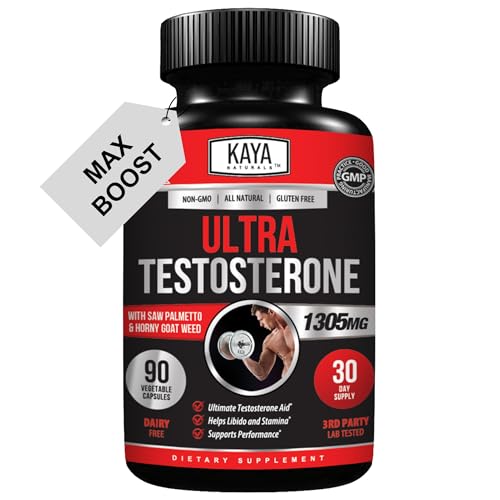
Kaya Naturals Ultra Testosterone – Men's Testosterone Booster with Tongkat Ali, Horny Goat Weed, Tribulus – Natural Workout Supplement for Energy, Stamina, and Strength Booster – 90 Count
- Increases Energy and Stamina: Boosts strength, energy, and endurance
- Enhanced Natural Formula: Contains Tongkat Ali, Tribulus, Horny Goat Weed
- Supports Testosterone Levels: Promotes increased testosterone for workouts
As an affiliate, we earn on qualifying purchases.
As an affiliate, we earn on qualifying purchases.
Key Questions
Why are more young men using testosterone now?
Social media influencers, cultural pressures for masculinity and physical perfection, and easier access through direct-to-consumer clinics have contributed to increased use.
Does testosterone always cause infertility?
Not always, but it often suppresses sperm production temporarily, and the effects can be reversible. However, unregulated use without medical guidance increases risks.
Are there health risks besides infertility?
Yes, testosterone use can cause hormonal imbalances, mood changes, cardiovascular issues, and other side effects if not properly managed.
What should men do if they are considering testosterone therapy?
Consult a qualified healthcare provider for proper diagnosis, counseling on risks, and supervised treatment if needed.
Will this trend affect population growth?
While some experts suggest a link between declining sperm counts and population decline, the overall impact of testosterone use on birth rates remains unclear and likely influenced by multiple social factors.
Source: Vox