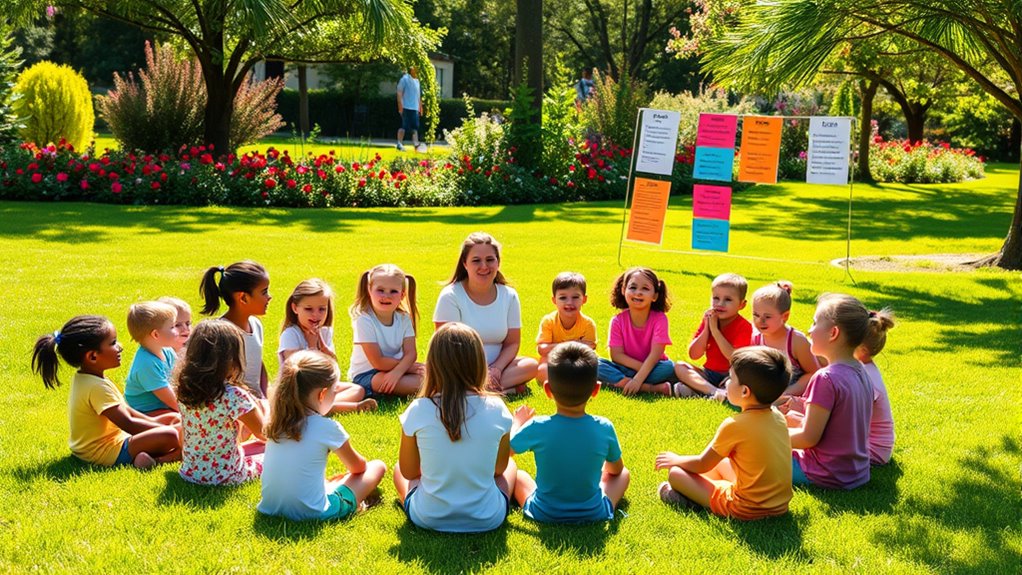

To raise resilient kids, start teaching coping skills early by helping them recognize and express their emotions. Model calm responses and problem-solving behaviors, creating a safe space for them to explore feelings and solutions. Encourage independence and critical thinking as they face setbacks, showing them that challenges are opportunities to grow. Foster emotional awareness and resilience by supporting their efforts and guiding them through difficulties—you’ll discover more ways to build strength in your child along the way.

Turn quiet afternoons into listening time
- Thousands of audiobooks, podcasts and originals
- Listen on your phone, tablet or Echo — also offline
- Cancel anytime
Key Takeaways
- Foster emotional intelligence by helping children recognize and manage their feelings effectively.
- Encourage problem-solving and critical thinking to build independence and resilience.
- Create a safe, supportive environment for emotional expression and reflection.
- Model calm, positive responses to challenges to teach healthy coping strategies.
- Ensure adequate sleep and develop coping skills early to strengthen emotional regulation and resilience.

Raising resilient kids is essential in helping them navigate life’s challenges with confidence and strength. One of the most effective ways to do this is by teaching them coping skills early on. When you focus on developing their emotional intelligence, you equip them with the ability to understand and manage their feelings, which is fundamental for resilience. Emotional intelligence allows your child to recognize emotions in themselves and others, making it easier for them to respond thoughtfully instead of reacting impulsively. As they grow, this awareness helps them handle setbacks more calmly and constructively.
Teaching emotional intelligence early builds resilient, confident children capable of handling life’s challenges thoughtfully.
In addition to emotional intelligence, fostering problem solving skills is crucial. When your child learns how to approach problems with a solution-oriented mindset, they gain confidence in their ability to overcome difficulties. Encourage them to think critically about challenges instead of giving in to frustration or despair. For example, if they’re upset about a disagreement with a friend, guide them through steps to resolve the issue—listening to both sides, considering possible solutions, and choosing the best course of action. This process not only helps resolve the immediate conflict but also teaches them how to navigate future problems independently.
You can build these skills by creating a safe environment where your child feels comfortable expressing their feelings and experimenting with solutions. When they encounter setbacks, instead of dismissing their emotions or rushing to fix things for them, give them space to process their feelings. Ask questions that prompt reflection, like “How do you feel about that?” or “What do you think you could do differently next time?” This approach encourages emotional awareness and problem-solving thinking simultaneously. Over time, your child learns that setbacks are part of life and that they have the tools to manage them effectively.
It’s also important to model these skills yourself. Show your child how you handle stress or setbacks with resilience and a positive attitude. Share stories of your own challenges and how you overcame them, emphasizing the importance of emotional intelligence and problem solving. When they see you managing difficulties calmly and thoughtfully, they’re more likely to adopt those behaviors. Additionally, ensuring your child gets enough quality sleep supports their emotional regulation and overall resilience, helping them to better cope with stress and challenges.
In essence, teaching coping skills early—focused on emotional intelligence and problem solving—sets the foundation for resilient kids. They’ll grow up equipped to face life’s inevitable ups and downs with confidence, knowing they possess the inner strength and skills needed to persevere. Your guidance in nurturing these abilities helps them develop into emotionally balanced and resourceful individuals, ready to handle whatever comes their way.
Products Worth Considering

Philips Sonicare 5950 Rechargeable Electric Toothbrush with 2 Brush Heads, Navy

Blueair Blue Pure 211i Max Air Purifier

Levoit Core 600S-P Smart Air Purifier for Large Rooms
As an affiliate, we earn on qualifying purchases.
Frequently Asked Questions
How Can Parents Model Resilience Effectively?
You can effectively model resilience by embracing challenges openly and demonstrating healthy emotional responses. Your parental role includes showing how to handle setbacks calmly, which teaches your child emotional modeling. When you admit mistakes and recover from stress constructively, you set a powerful example. Kids learn resilience by watching your actions, so stay positive, adaptable, and transparent about your feelings, inspiring them to develop their own coping skills and resilience.
What Are Signs of Poor Coping Skills in Children?
Imagine a child struggling to express feelings while ignoring peer interactions—this shows poor coping skills. You might notice emotional awareness gaps, like difficulty identifying emotions, or withdrawal from friends. These signs indicate they’re overwhelmed or unable to manage stress effectively. As a parent, recognizing these cues helps you guide them toward healthier coping strategies, fostering resilience and better peer relationships over time.
How Early Should Coping Skills Be Introduced?
You should introduce coping skills as early as possible, ideally through age-appropriate strategies. Early intervention helps children develop healthy ways to manage emotions and stress, setting a foundation for resilience. Even toddlers can learn simple techniques like deep breathing or sharing feelings. The earlier you start, the better equipped your child will be to handle challenges confidently and adaptively as they grow.
Are There Specific Activities That Build Resilience?
You’re about to discover the secret to building unshakable resilience! Engaging your child in activities like role-playing, storytelling, and puzzles can boost their emotional intelligence and problem-solving skills. These activities challenge them to manage emotions and think critically, creating a foundation for resilience that’s as strong as steel. By making learning fun and interactive, you help your child develop essential skills that prepare them for life’s inevitable challenges.
How to Handle Setbacks When Teaching Coping Skills?
When handling setbacks while teaching coping skills, you should stay calm and model emotional regulation, showing your child how to manage feelings effectively. Encourage them to use problem-solving techniques, guiding them through identifying the issue and brainstorming solutions. Praise their efforts and remind them setbacks are normal learning moments. This approach helps build resilience, teaching your child to face challenges with confidence and develop healthy coping strategies over time.
Conclusion
By gently guiding your children to develop coping skills early on, you’re planting seeds of inner strength that will bloom through life’s ups and downs. Remember, every stumble is just a little nudge toward growth, and your support helps them navigate these gentle detours with confidence. Keep fostering resilience with patience and kindness—you’re helping them build a sturdy foundation for a bright, adaptable future. Your nurturing today shapes their resilient tomorrows.