

Measuring your biological age involves using clocks, biomarkers, and tests to get a true picture of how your body is aging beyond your chronological years. Biological clocks like telomere length and blood biomarkers such as inflammation levels help determine your overall health and aging process. Lifestyle factors and genetic markers also provide insight. If you want to understand how these tools work together to guide healthier aging, keep exploring the details.

Turn quiet afternoons into listening time
- Thousands of audiobooks, podcasts and originals
- Listen on your phone, tablet or Echo — also offline
- Cancel anytime
Key Takeaways
- Biological age is assessed through specific biological clocks like telomere length and DNA methylation patterns.
- Biomarkers such as inflammation levels and hormone balances provide insights into cellular aging.
- Testing technologies include blood analysis and DNA sequencing to evaluate genetic predispositions and health risks.
- Lifestyle assessments help determine how habits influence biological aging and identify areas for improvement.
- Accurate measurement guides personalized strategies to promote healthier aging and extend healthspan.
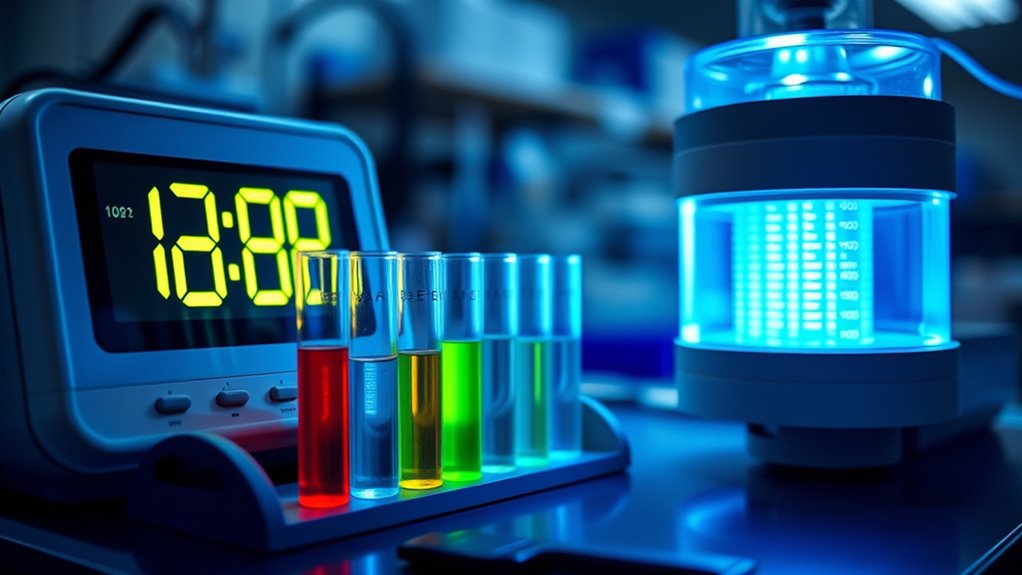
Understanding your biological age can provide more meaningful insights into your health than simply knowing your chronological years. It’s a way to gauge how well your body is aging on a cellular level, which can help you make more informed lifestyle choices. One of the key tools in this process involves analyzing genetic markers—specific genes or DNA sequences linked to aging processes. These markers can reveal your genetic predispositions and how your genes influence your overall health. For instance, some genetic markers might indicate a higher risk for age-related diseases like cardiovascular issues or neurodegenerative conditions. By identifying these markers, you can tailor your health strategies more effectively, focusing on prevention and early intervention.
Analyzing genetic markers helps reveal health risks and guides tailored prevention strategies.
Alongside genetic markers, lifestyle assessments play a critical role in measuring biological age. These assessments look at your daily habits, such as diet, exercise, sleep, and stress management, to determine their impact on your aging process. Unlike your chronological age, which is fixed, your biological age can fluctuate depending on how well you take care of yourself. For example, regular physical activity and a balanced diet can slow down biological aging, while smoking, excessive alcohol, or chronic stress might accelerate it. Combining lifestyle assessments with genetic marker analysis provides a thorough picture of your health status. This integrated approach helps you understand not just where you stand now but also what changes can positively influence your aging trajectory.
Advances in testing technology make it easier to evaluate your biological age through blood tests, DNA analysis, or other biomarker measurements. These tests often measure inflammation levels, hormone balance, telomere length, and other indicators linked to aging. Telomeres, the protective caps on your chromosomes, tend to shorten with age, and their length can serve as a biological clock. Shorter telomeres are associated with increased health risks, so measuring their length offers valuable insight. Additionally, blood tests can reveal inflammation markers that tend to rise as you age, indicating potential health issues before symptoms appear. New cybersecurity vulnerabilities in testing devices highlight the importance of ensuring that your data remains protected during these assessments. When you combine test results with your lifestyle assessments, you gain a clearer understanding of how your habits influence your biological age and what adjustments might be necessary.
In essence, measuring your biological age isn’t just about numbers—it’s about gaining actionable insights. By examining genetic markers and conducting lifestyle assessments, you can identify specific areas to focus on for healthier aging. It empowers you to take proactive steps, making targeted lifestyle changes that could extend your healthspan. This personalized approach makes aging less of a mystery and more of a manageable process, giving you the tools to optimize your health at every stage of life.
As an affiliate, we earn on qualifying purchases.
Frequently Asked Questions
How Accurate Are Biological Age Tests Compared to Chronological Age?
Biological age tests aren’t perfectly accurate compared to your chronological age because of accuracy limitations and measurement variability. While they can give a good estimate of your healthspan and aging process, results may fluctuate due to different testing methods or biological factors. You should view these tests as helpful tools for understanding your aging, but not as exact measures. Keep in mind that individual differences can influence the accuracy of these assessments.
Can Lifestyle Changes Significantly Alter Biological Age Readings?
Yes, lifestyle changes can substantially alter your biological age readings. While genetic influence sets a baseline, environmental factors like diet, exercise, and stress management play a vital role. By adopting healthier habits, you can slow down aging processes, improve biomarkers, and potentially make your biological age younger than your chronological age. Consistent positive changes in your lifestyle directly impact your biological markers, leading to measurable improvements in your aging profile.
Are There Any Risks Associated With Biological Age Testing?
Approximately 60% of people report feeling anxious after biological age testing. Risks include privacy concerns, as your sensitive data might be vulnerable or misused, and psychological impacts like stress or lowered self-esteem. You should weigh these factors before testing, understanding that results could influence your mental health or privacy. Being aware of these risks helps you make informed decisions and manage potential negative effects effectively.
How Often Should One Retake Biological Age Assessments?
You should retake your biological age test every 3 to 6 months for accurate insights. This test frequency helps track your progress and adjust your health strategies accordingly. The ideal timing depends on lifestyle changes or health interventions you’re implementing. Regular testing ensures you stay informed about your biological aging process, enabling proactive steps to improve your overall health and longevity.
Do Biological Age Clocks Work Equally Well Across Different Ethnic Groups?
Biological age clocks don’t work equally well across different ethnic groups due to calibration challenges caused by ethnic disparities. These disparities can affect the accuracy of the assessments, making it harder to get precise results for everyone. To improve reliability, researchers need to develop and calibrate these clocks considering diverse populations. So, while useful, be aware that current clocks may have limitations based on ethnicity, and ongoing improvements are necessary.
biological age DNA methylation test
As an affiliate, we earn on qualifying purchases.
As an affiliate, we earn on qualifying purchases.
Conclusion
While some might think measuring biological age is just another trend, it actually offers valuable insights into your health and longevity. By understanding your biological age through clocks and biomarkers, you can take proactive steps to improve your well-being. Don’t let skepticism hold you back—knowledge is power. Embracing these tools helps you stay ahead of aging, making healthier choices today for a better tomorrow.
As an affiliate, we earn on qualifying purchases.
As an affiliate, we earn on qualifying purchases.
Fall Picks
fall essentials
As an affiliate, we earn on qualifying purchases.