
TL;DR

Turn quiet afternoons into listening time
- Thousands of audiobooks, podcasts and originals
- Listen on your phone, tablet or Echo — also offline
- Cancel anytime
Scientists at the Indian Institute of Science (IISc) have discovered an enzyme from cows that appears effective against drug-resistant bacteria. This finding could lead to new treatments amid rising antimicrobial resistance. The discovery is still in early stages, and further research is needed.
Scientists at the Indian Institute of Science (IISc) have identified a specific enzyme derived from cows that demonstrates effectiveness against bacteria resistant to multiple antibiotics, according to a recent study. This discovery could open new avenues in the fight against antimicrobial resistance, a growing global health threat.
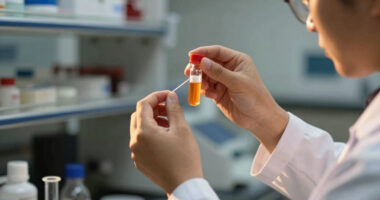
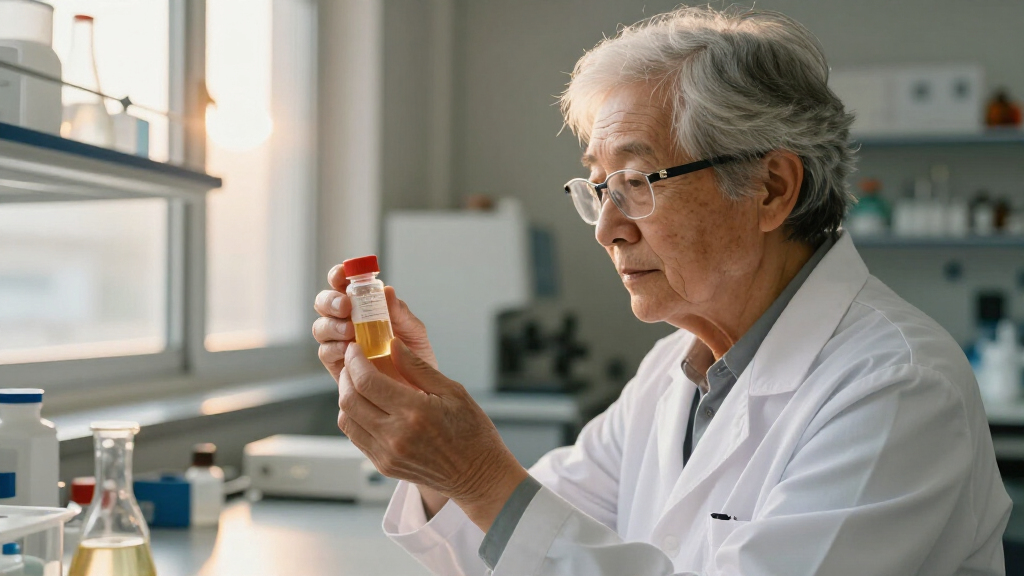
The IISc team isolated the enzyme from cow tissues and tested its activity against several strains of drug-resistant bacteria, including some that are classified as critical priority by global health authorities. Preliminary laboratory results suggest that this enzyme can inhibit the growth of these bacteria, which are typically difficult to treat with existing antibiotics.
While the research is still in early stages, the scientists believe that this enzyme could be developed into a novel antimicrobial agent. The team emphasized that the enzyme’s natural origin from cows might offer advantages in terms of stability and biocompatibility, but extensive further testing is required before any clinical applications can be considered.
Researchers noted that antimicrobial resistance is a mounting challenge worldwide, with resistant strains increasingly rendering standard antibiotics ineffective. The discovery of this enzyme adds a new candidate to the pool of potential solutions being explored by scientists globally.
Potential Breakthrough in Antibiotic Development
This discovery is significant because it offers a new approach to tackling antimicrobial resistance, which the World Health Organization has flagged as a top global health priority. If further research confirms the enzyme’s efficacy and safety, it could lead to the development of new antibiotics capable of overcoming resistant bacteria, saving countless lives and reducing healthcare costs associated with resistant infections.
Moreover, the fact that the enzyme is derived from cows, a widely available source, could facilitate scalable production. However, experts caution that translating this laboratory finding into a usable drug will require extensive testing, including clinical trials, which may take years.
Products Worth Considering

Garmin Forerunner 165 GPS Running Smartwatch, 43 mm, Black

Oura Ring 5 Smart Ring – Silver – Size 10

Garmin Forerunner 70 GPS Running Smartwatch, 43 mm, Black
As an affiliate, we earn on qualifying purchases.
Rising Threat of Drug-Resistant Bacteria and Search for Alternatives
Antimicrobial resistance has become a critical issue in recent years, with bacteria evolving mechanisms to evade existing antibiotics. The World Health Organization has warned that without new drugs, common infections could become untreatable, leading to higher mortality rates.
Research efforts worldwide are focused on discovering novel compounds, including natural enzymes and peptides, to combat resistant strains. The recent focus on animal-derived enzymes is part of a broader scientific trend exploring biological molecules from various sources for antimicrobial properties.
The discovery at IISc is among several emerging efforts to find alternative solutions, but it remains at the experimental stage. The specific enzyme’s mechanism of action, safety profile, and effectiveness in vivo are still under investigation.
Unconfirmed Efficacy and Development Timeline
It is not yet clear whether the enzyme will prove effective in vivo or in clinical settings. The research is still in laboratory phases, and safety, dosage, and delivery methods remain to be established. The timeline for potential development into a drug is uncertain, and regulatory approvals could take several years.
Next Steps in Research and Development
The IISc team plans to conduct further laboratory experiments, including testing the enzyme against a broader range of bacteria and assessing its safety profile. If results continue to be positive, the next phase would involve preclinical trials, followed by clinical testing, which could span several years.
Additionally, researchers are exploring ways to optimize the enzyme’s stability and delivery methods to enhance its potential as a therapeutic agent. Collaboration with pharmaceutical companies may also be sought to accelerate development.
Key Questions
What is the significance of this discovery?
This discovery could lead to new antibiotics capable of fighting resistant bacteria, addressing a major global health challenge.
Is this enzyme safe for humans?
It is too early to determine safety; extensive testing is required before any human trials can be considered.
When might this enzyme become a drug?
Development into a drug could take several years, depending on further research, testing, and regulatory approval processes.
Could this enzyme be produced at scale?
Potentially yes, given its biological origin, but manufacturing methods will need to be developed and validated.
Are there similar enzymes from other animals?
Research into animal-derived enzymes is ongoing, with some showing promise, but this specific enzyme from cows is a novel finding.
Source: local