Progressive Muscle Relaxation (PMR) helps you reduce stress by systematically tensing and relaxing muscles throughout your body. Start in a quiet space, breathe deeply, and focus on each muscle group, tightening them briefly before releasing to promote relaxation. This process increases awareness of tension and helps your body relax faster when stress hits. Regular practice enhances your ability to stay calm and manage stress effectively, and if you keep exploring, you’ll discover even more ways to deepen your relaxation skills.

Turn quiet afternoons into listening time
- Thousands of audiobooks, podcasts and originals
- Listen on your phone, tablet or Echo — also offline
- Cancel anytime
Key Takeaways
- PMR involves tensing and relaxing muscle groups sequentially to reduce stress and promote relaxation.
- Find a quiet space, sit or lie comfortably, and focus on deep, slow breathing to prepare.
- Tense each muscle briefly, then release, noticing the difference to deepen relaxation.
- Maintain mindfulness and present-moment awareness throughout the process for maximum benefit.
- Regular practice enhances stress management, physical relaxation, and overall mental well-being over time.
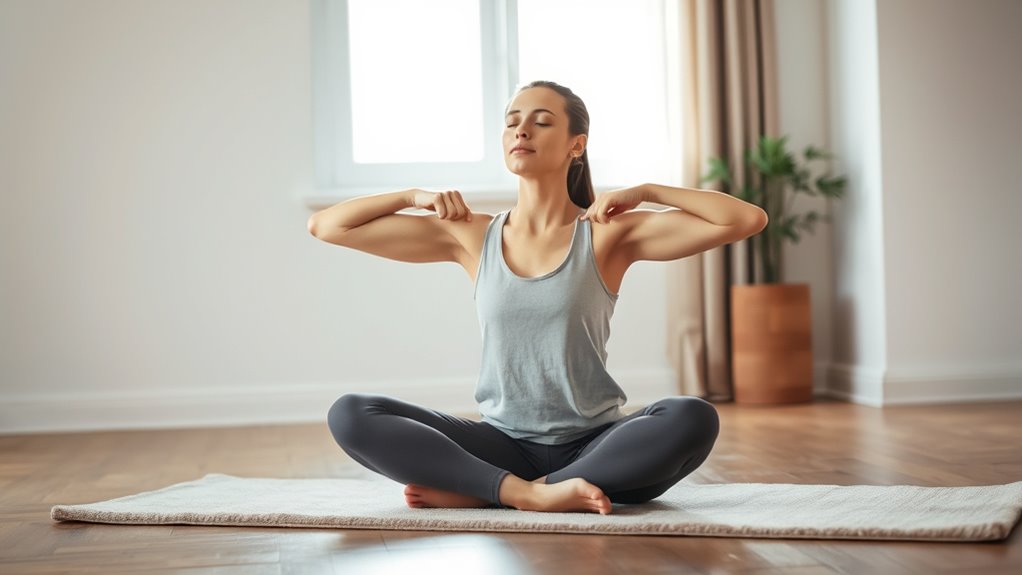
Progressive Muscle Relaxation (PMR) is a simple yet effective technique for reducing stress and calming your mind. When you practice PMR, you’re fundamentally learning to recognize and release tension in your body. To enhance this process, combining breathing techniques with mindfulness exercises can make your relaxation even more profound. Breathing deeply and slowly helps you stay present, anchoring your focus on the sensation of your breath, while mindfulness encourages awareness of each muscle group as you tense and relax them.
Start by finding a quiet, comfortable space where you won’t be disturbed. Sit or lie down in a relaxed position. Begin with a few deep breaths—inhale slowly through your nose, feeling your abdomen rise, then exhale gently through your mouth. This breathing technique calms your nervous system and prepares you to focus fully on muscle sensations. As you breathe, bring your attention inward, practicing mindfulness exercises to stay aware of the present moment. Notice the physical sensations in your body, the tension, and the relief as you move through each muscle group.
Find a quiet space, breathe deeply, and stay present to enhance your relaxation.
Next, focus on your feet. Tense the muscles in your toes by curling them tightly, hold for a few seconds, then release completely. As you exhale, imagine all the tension melting away. Pay close attention to the difference between tension and relaxation, reinforcing your mindfulness. Move upward to your calves, thighs, abdomen, chest, shoulders, arms, neck, and face. Tense each group briefly, then relax. With each release, deepen your state of calm, feeling your muscles loosen and your mind clear.
Incorporating mindfulness exercises into your PMR routine helps you stay present throughout the practice. As you tense and relax muscles, observe the sensations without judgment—note how your body feels before and after each release. This awareness enhances your ability to recognize stress and tension outside of practice, giving you tools to manage stress in real time. Using breathing techniques during each phase deepens relaxation, as slow, controlled breaths signal your nervous system to shift into a calmer state. Engaging in yoga practices that promote holistic healing can further complement your relaxation routine.
The key is consistency. Practicing PMR daily, especially with mindful awareness and proper breathing, trains your body to respond to stress more effectively. Over time, you’ll notice that muscle tension decreases overall, and your ability to stay calm improves. This simple combination of breathing techniques, mindfulness exercises, and progressive muscle tensing offers a powerful way to reduce stress, promote relaxation, and regain control over your mental and physical well-being.
Frequently Asked Questions
Can PMR Be Effective for Chronic Anxiety Disorders?
Chronic anxiety can be tough, but relaxation techniques like progressive muscle relaxation (PMR) may help. You might find that practicing PMR regularly boosts mindfulness benefits, helping you stay grounded and reduce anxiety symptoms. While it’s not a cure, many people report feeling calmer and more in control. Incorporating PMR into your routine can be a valuable addition to your stress management toolkit, especially when combined with other relaxation techniques.
How Long Does It Take to See Results With PMR?
Imagine you’re a pioneer in stress relief—how long before you see results? With consistent practice, you might notice benefits within a few sessions, especially if you incorporate mindfulness practices and breathing exercises. You’ll likely feel calmer and more relaxed after just 10-15 minutes of progressive muscle relaxation. Keep at it regularly, and in a few weeks, you’ll probably experience a significant reduction in stress and anxiety, like a true modern-day trailblazer.
Is PMR Suitable for Children or Elderly Individuals?
You might wonder if PMR suits children or the elderly. It’s generally considered safe and adaptable for child-friendly practices, helping kids manage stress and anxiety. For elderly relaxation, PMR can be gentle and effective, promoting comfort and reducing tension. Always consult a healthcare professional before starting, especially for children or seniors with health issues. With proper guidance, PMR can be a valuable tool for both groups to improve well-being.
Are There Any Risks or Side Effects Associated With PMR?
You might wonder about potential risks or side effects of relaxation techniques like progressive muscle relaxation (PMR). Generally, PMR is safe for most people, but some may experience temporary discomfort, such as dizziness or muscle soreness. If you have underlying health conditions or injuries, you should consult a healthcare professional beforehand. While side effects are rare, being mindful of your body’s response helps guarantee a safe and effective relaxation experience.
Can PMR Be Combined With Other Relaxation Techniques?
You can definitely combine progressive muscle relaxation (PMR) with other relaxation techniques like mindfulness integration and breathing exercises. Doing so enhances your stress reduction, as each method targets different relaxation pathways. For example, you might start with breathing exercises to calm your mind, then use PMR to relax your muscles, and incorporate mindfulness to stay present. This combined approach boosts overall relaxation and effectiveness in managing stress.
Conclusion
By practicing progressive muscle relaxation, you’re planting seeds of calm that blossom into tranquility. Each tense and release is like peeling back layers of stress, revealing a peaceful core within you. With patience, this technique becomes your sanctuary—a gentle tide washing away worries. Keep at it, and you’ll find your mind’s storm settling into quiet waters, where serenity blooms like a radiant sunrise. Embrace this practice, and watch stress melt away like ice under the warm sun.
Fall Picks
fall essentials
As an affiliate, we earn on qualifying purchases.