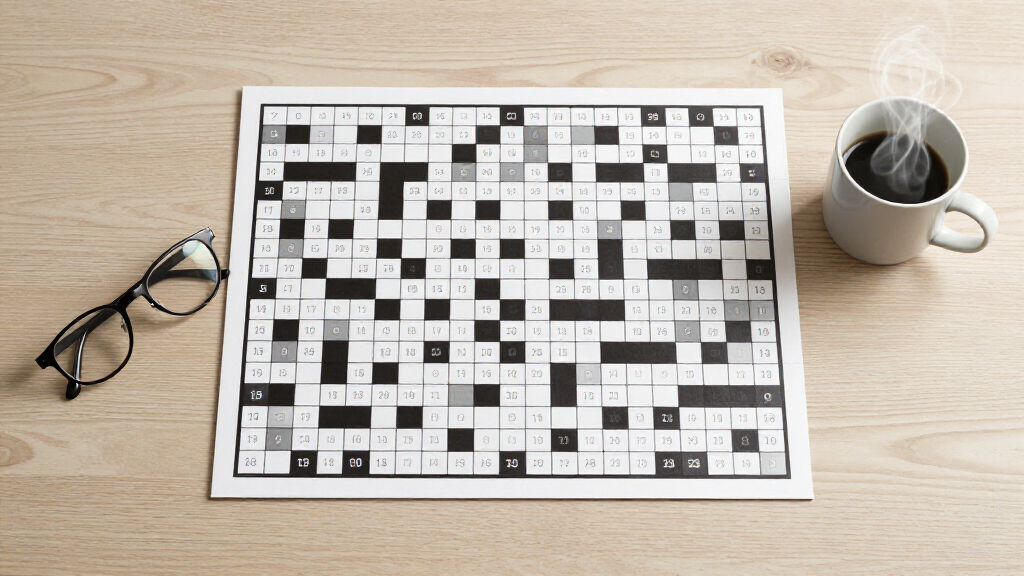

The best large print crossword puzzles do two things at once: they make the grid and the clues genuinely easy to read, and they still deliver well-edited puzzles worth solving. After comparing 15 of the most popular options, The New York Times Large-Print Crosswords: 120 Easy to Hard Puzzles stands out as the best overall pick because it pairs true large-format printing with professionally edited clues and a real difficulty progression. If you want the most puzzles per dollar, the KAPPA Super Saver Large Print Crosswords Puzzle Pack is the clear value choice, while the Brain Games Large Print Crossword Puzzles books earn their spot with spiral binding that lies flat for tired or arthritic hands. The main tradeoffs in this category come down to print size versus clue quality, bulk quantity versus editorial polish, and easy confidence-builders versus puzzles that actually challenge you. Some books labeled “large print” only enlarge the grid while leaving clues in tiny type, and difficulty labels vary wildly between publishers. Read on for the full breakdown of which books get this right, who each one suits, and which to skip.

Turn quiet afternoons into listening time
- Thousands of audiobooks, podcasts and originals
- Listen on your phone, tablet or Echo — also offline
- Cancel anytime
Complete the kit


Key Takeaways
- The New York Times large-print editions rose to the top because their clues are professionally edited — many cheaper books in this lineup rely on repetitive, computer-flavored fill that experienced solvers notice within a few grids.
- “Large print” is not standardized: several books enlarge the grid squares but keep the clue lists in small type, so the picks that ranked highest enlarge both.
- Spiral-bound options like the Brain Games Purple and Blue editions solve a real usability problem — perfect-bound paperbacks snap shut, which matters for readers with arthritis or limited grip strength.
- Bulk packs changed the value math completely: the KAPPA 6-book set and Merriam-Webster 10-booklet set cost far less per puzzle than any single volume, but both skew heavily toward easy difficulty.
- Difficulty labels proved unreliable across brands — one publisher’s “medium” is another’s “easy” — which is why books with a stated progression, like the NYT’s easy-to-hard structure, ranked above books with flat, unlabeled difficulty.


| large print crossword puzzle | Format | Puzzle type | Print size | Target audience |
|---|---|---|---|---|
| AARP Large Print Crossword Puz | Paperback puzzle book | Crosswords only | Large print | Seniors and adults |
| Brain Games | Paperback puzzle book | Crosswords only | Large print | — |
| Large Print Crosswords Puzzle | Paperback puzzle book | Crosswords only | Large print | Seniors and visually impaired readers |
| Easy | — | Crosswords only | Big font / large print | Adults and seniors |
| Large Print Merriam-Webster Pu | 10-booklet set | — | Large print | Seniors and large-print readers |
| The New York Times Large-Print | Print puzzle book | Crosswords only | — | — |
| KAPPA Super Saver Large Print | Print puzzle books | Crosswords only | — | — |
| Large Print Crossword Puzzles: | Single print volume | Crosswords only | — | — |
| Relaxing Easy Crossword Puzzle | Print puzzle book | Crosswords only | — | — |
| Retro Fun Large Print Crosswor | Print puzzle book | Crosswords only | — | — |
| Brain Games | Paperback puzzle book | Crosswords only | Large print | Seniors and large-print solvers |
| Large Print Crossword Puzzle B | Paperback puzzle book | Crosswords only | Large print | Adults and seniors |
| Large Print Crossword Puzzle B | Paperback puzzle book | Crosswords only | Large print | Adults, teens, and seniors |
| Easy Crossword Puzzle Books fo | Paperback puzzle book | Crosswords only | Big font, eye-friendly | Adults and seniors |
| New York Times Games Large-Pri | Paperback puzzle book | Crosswords only | Large print | Experienced crossword fans needing accessible formatting |
More Details on Our Top Picks
AARP Large Print Crossword Puzzles
The AARP name carries real weight with the exact audience this roundup targets, and that trust is the main reason this book earns its spot. The large print layout is built for comfortable, squint-free solving, and the puzzles aim for gentle mental engagement rather than serious challenge. Compared with the Brain Games (Purple) book, which advertises all skill levels, this one reads as more narrowly tuned to senior comfort — a plus for its intended reader, a limitation for anyone else. It also delivers less total content than the Large Print Merriam-Webster 10 Booklet Set, which spreads solving across ten separate booklets. The honest tradeoffs: a limited variety of puzzles and no digital version, so once the book is finished there is no companion app or expansion. I’d frame this as a confidence pick, not a depth pick.
Pros:- Large print designed specifically for senior comfort and low eye strain
- AARP branding makes it a safe, recognizable gift
- Puzzles tuned to gentle mental engagement rather than frustration
- Simple single-book format with no learning curve
Cons:- Limited variety of puzzles compared with multi-book sets
- No digital version or app companion
- Less total solving content than the Merriam-Webster 10-booklet set
Best for: Seniors who want a familiar, trusted brand and comfortable, low-strain solving — and the adult children buying gifts for them
Not ideal for: High-volume solvers who want hundreds of puzzles or a difficulty ladder — the Merriam-Webster booklet set or The New York Times large-print collection will last much longer
- Print size:Large print
- Format:Paperback puzzle book
- Puzzle type:Crosswords only
- Target audience:Seniors and adults
- Brand:AARP
- Difficulty range:Not specified
- Digital version:Not available
- Answer key:Not mentioned in listing
Our verdict“The safest gift pick for a senior solver who values comfort and a trusted name over sheer puzzle volume.”
Brain Games – Large Print Crossword Puzzles (Purple)
This is the book I would hand to the widest range of solvers, which is why it takes the top slot. The large print puzzles suit all skill levels, so a household with mixed abilities gets more mileage here than from the AARP book, which leans toward senior comfort solving. Brain Games is also an established puzzle brand, and the single bound volume feels sturdier than the booklets in the Merriam-Webster set, though less packable for travel. The tradeoff is transparency: the listing is thin on content details, so buyers cannot confirm puzzle counts or difficulty spread the way they can with The New York Times Large-Print Crosswords and its 120 graded puzzles. You are buying on brand reputation and format more than on published specifics. For most readers that bet pays off, but detail-oriented shoppers may hesitate.
Pros:- Rated for all skill levels, so it serves the broadest audience
- Established Brain Games puzzle brand
- Easy-to-read large print throughout
- Bound single volume holds up better than loose booklets
Cons:- Listing lacks detail on puzzle count and content variety
- No extra features beyond the puzzles themselves
- Less portable than the Merriam-Webster booklet format
Best for: Households and solvers of mixed ability who want one large print book that works for everyone, from casual to confident
Not ideal for: Shoppers who want documented puzzle counts and a published difficulty breakdown before committing — the listing leaves both vague
- Print size:Large print
- Format:Paperback puzzle book
- Skill levels:All levels
- Edition:Purple cover
- Brand:Brain Games
- Puzzle type:Crosswords only
- Answer key:Not specified in listing
Our verdict“The strongest all-rounder for buyers who want one reliable large print crossword book without overthinking the choice.”
Large Print Crosswords Puzzle Book
Some buyers just want one plain book of crosswords in big type, and this fills that lane without pretending to be more. The large print grids make solving comfortable for seniors and visually impaired readers, and the simple format means zero learning curve — open it and start. Measured against the Large Print Merriam-Webster 10 Booklet Set, though, a single generic volume offers far less total solving for what is often a similar price, and the Brain Games (Purple) book documents an all-levels approach while this one leaves its difficulty range unstated. The bigger drawback: no answer key is mentioned, which matters more than it sounds — getting stuck without solutions frustrates exactly the casual solvers this book suits best. I’d treat it as an impulse buy or waiting-room companion rather than a primary puzzle supply.
Pros:- Large print grids comfortable for seniors and visually impaired readers
- Straightforward format with nothing to learn
- Easy, low-commitment entry into large print crosswords
Cons:- No solutions or answer key mentioned in the listing
- Difficulty range and puzzle count are undocumented
- Far less content per dollar than the Merriam-Webster 10-booklet set
Best for: Casual solvers who want a simple single book for occasional use — waiting rooms, commutes, guest rooms, or a first try at large print
Not ideal for: Beginners who depend on answer keys to learn, and daily solvers who will burn through one thin volume in a week or two
- Print size:Large print
- Format:Paperback puzzle book
- Puzzle type:Crosswords only
- Target audience:Seniors and visually impaired readers
- Difficulty range:Not stated
- Answer key:Not included per listing
- Digital extras:None listed
Our verdict“A fine low-stakes starter or spare book, but solvers who plan to puzzle daily should buy a bigger, better-documented collection.”
Easy – Medium Crossword Puzzle Book for Adults and Seniors – 100 Big Font Puzzles
Difficulty anxiety is real among new and returning solvers, and this book removes it by design. All 100 puzzles sit in the easy-to-medium band, so there is never a page that suddenly turns punishing — a deliberate contrast with graded collections like The New York Times Large-Print Crosswords, which climb to hard. The big font keeps eye strain low, and the stated puzzle count beats what most single large print volumes advertise, including the AARP book. The tradeoffs follow from the mission: crosswords only, no mixed puzzle types, and no genuinely hard grids to grow into once skills improve. The publisher also lacks the name recognition of Brain Games or Merriam-Webster, which may matter to gift buyers who lean on familiar brands. For relaxation-first solving, this is the most focused pick in the lineup.
Pros:- 100 puzzles, a clearly stated and generous count
- Difficulty capped at easy-to-medium, so no frustrating surprises
- Big font minimizes eye strain for adults and seniors
- Positioned as a ready-made gift for crossword fans
Cons:- Crosswords only, with no other puzzle types for variety
- No hard puzzles to grow into as skills improve
- Lesser-known publisher without brand recognition
Best for: Beginners, returning solvers, and seniors who want guaranteed-gentle puzzles with no difficulty spikes — and anyone buying a stress-free gift
Not ideal for: Experienced solvers — easy-to-medium grids will feel flat fast; The New York Times large-print edition offers a real challenge ladder instead
- Print size:Big font / large print
- Puzzle count:100
- Difficulty:Easy to medium
- Target audience:Adults and seniors
- Puzzle type:Crosswords only
- Gift positioning:Marketed as a gift for crossword enthusiasts
- Answer key:Not specified in listing
Our verdict“The right book for anyone who wants relaxing, readable crosswords with zero chance of hitting a wall.”
Large Print Merriam-Webster Puzzles 10 Booklet Set
Volume is the whole argument here. Ten large print booklets under the Merriam-Webster name deliver more total solving than any single book in this roundup, and the booklet format is genuinely practical — slip one into a bag, leave one by the couch, or share them around a care facility. Compared with the Brain Games (Purple) single volume, you trade polish and a clearly stated skill range for quantity and portability. That is the catch: the listing never specifies puzzle types, difficulty, or whether crosswords dominate, so buyers are trusting the dictionary brand’s reputation for wordplay rather than documented contents. The KAPPA Super Saver 6-book pack competes on the same bulk logic but with full-size books instead of booklets. For heavy solvers and gift-givers stocking up, the value math still favors this set.
Pros:- Ten booklets deliver the most total content in this roundup
- Merriam-Webster brand carries authority for word puzzles
- Booklet format is portable and easy to share or stash
- Large print throughout for comfortable reading
Cons:- Puzzle types are not specified — crossword content is not confirmed
- No difficulty information or solutions policy in the listing
- Thin booklets feel less substantial than a bound volume
Best for: Heavy solvers, gift-givers stocking up, and caregivers or facilities who want to share puzzles across several people or rooms
Not ideal for: Solvers who want a stated difficulty progression or confirmed crossword-only content — the listing leaves both unclear, so picky buyers should look at the NYT collection
- Print size:Large print
- Format:10-booklet set
- Number of booklets:10
- Brand:Merriam-Webster
- Puzzle types:Assorted, not specified
- Target audience:Seniors and large-print readers
- Difficulty range:Not stated
Our verdict“The best bulk buy for households or facilities that burn through puzzles quickly and value quantity over documentation.”
The New York Times Large-Print Crosswords: 120 Easy to Hard Puzzles
The New York Times Large-Print Crosswords takes my top slot because it fixes the biggest problem in this category: uneven quality. With 120 puzzles graded from easy to hard, one purchase carries a solver from gentle warm-ups to genuine challenges, so the book stays useful for months instead of weeks. Compared with the KAPPA Super Saver pack, which wins on raw volume, this collection offers tighter clue editing and a difficulty curve you can actually feel. The tradeoff is price-per-puzzle — you get fewer grids here than in either the KAPPA set or the 200-puzzle Large Print Crossword Puzzles volume — and true beginners may stall on the harder pages. This pick makes the most sense for solvers who care about construction quality more than sheer count.
Pros:- New York Times editing keeps clues clean, fair, and consistent
- Easy-to-hard spread grows with the solver over months
- 120 puzzles balance supply against quality control
- Large print holds up across every difficulty level
Cons:- Costs more per puzzle than the KAPPA bundle
- Hardest grids can frustrate true beginners
- Crosswords only — no variety puzzles included
Best for: Solvers who want a single book that progresses from easy warm-ups to genuinely hard grids
Not ideal for: Bulk buyers and caregivers stocking a facility — one 120-puzzle book costs more per grid than the KAPPA six-pack
- Brand:The New York Times
- Puzzle count:120
- Difficulty range:Easy to hard
- Print format:Large print
- Audience:All skill levels
- Puzzle type:Crosswords only
- Format:Print puzzle book
- ASIN:1250069025
Our verdict“Buy this if you want one large-print book that stays challenging as your skills grow.”
KAPPA Super Saver Large Print Crosswords Puzzle Pack – Set of 6 Full Size Books
If cost per hour of solving drives your decision, I’d call the KAPPA Super Saver pack the obvious play. Six full-size books in one bundle means you can leave one by the armchair, one in the car, and still have spares to hand to a spouse or grandkid — something a single-volume option like The New York Times Large-Print Crosswords can’t match. The puzzles skew toward accessible, newspaper-style difficulty, which suits casual solvers but won’t stretch anyone who finishes Sunday grids. The tradeoffs are real: there’s less editorial polish than the NYT book, no difficulty labels to guide progression, and six books demand actual shelf space. For high-frequency solvers who burn through a book a month, though, volume beats prestige.
Pros:- Six full-size books at a value price
- Easy to split across rooms, cars, or family members
- Accessible difficulty suits casual, everyday solvers
- Finishing or losing one book still leaves five more
Cons:- No difficulty labels or progression structure
- Clue editing is looser than the NYT collection
- Six books take up real shelf space
Best for: High-frequency solvers, couples, and caregivers stocking up for a household or care facility
Not ideal for: Solvers who want graded difficulty or polished, brand-name cluing — the NYT collection serves them better
- Number of books:6 full-size books
- Brand:KAPPA
- Print format:Large print
- Skill level:All levels
- Puzzle type:Crosswords only
- Bundle style:Multi-book value pack
- Format:Print puzzle books
- ASIN:1559930217
Our verdict“Buy this if you burn through puzzles fast and want the lowest cost per book in the roundup.”
Large Print Crossword Puzzles: Over 200 Puzzles to Complete
Buying one book instead of a bundle has its own logic, and I think Large Print Crossword Puzzles: Over 200 Puzzles makes the strongest case for it. Two hundred-plus grids under a single cover means no duplicate volumes to shuffle and nothing to misplace — a cleaner proposition than the KAPPA Super Saver six-pack for someone who solves in one favorite chair. Against The New York Times Large-Print Crosswords, though, the lack of a named editorial brand shows: difficulty is less predictable from puzzle to puzzle, and the thickest spine in this lineup is awkward to hold one-handed or fold flat. This option stands out for solvers who measure value in total puzzle count and don’t mind a heavier lap companion; casual dabblers should pick something slimmer.
Pros:- 200-plus puzzles is the biggest single-book supply here
- One volume to keep track of, nothing to misplace
- Large print keeps long solving sessions comfortable
Cons:- Thick, heavy spine is awkward to hold or fold flat
- No named brand behind the cluing, so quality varies
- Difficulty isn’t graded or labeled
Best for: Single-book loyalists who want the most puzzles under one cover without managing a multi-book set
Not ideal for: Anyone with limited hand strength — a 200-plus-puzzle spine is heavy to hold through long sessions
- Puzzle count:Over 200
- Print format:Large print
- Format:Single print volume
- Difficulty labels:Not specified
- Audience:Adults and puzzle enthusiasts
- Puzzle type:Crosswords only
- ASIN:1680524887
Our verdict“Buy this if you want maximum puzzle count in a single, no-fuss volume.”
Relaxing Easy Crossword Puzzles for Adults: Big Grids, Simple Clues & Stress-Relieving Brain Games
Most books in this roundup assume you already like crosswords; I’d say Relaxing Easy Crossword Puzzles for Adults assumes you might not yet. Ninety grids with deliberately simple clues and printed solutions lower the stakes for a first-timer — a wrong guess becomes a lesson instead of a dead end, because the answer key teaches rather than judges. Set against The New York Times Large-Print Crosswords, whose hard section can stall a newcomer cold, this is the gentler on-ramp; against the Retro Fun book, it demands no nostalgia knowledge. The ceiling is the real tradeoff: confident solvers will finish pages in minutes and outgrow the book within weeks, and 90 puzzles is one of the smaller supplies here. As a stress-relief tool or a first crossword gift, it’s well judged.
Pros:- Simple clues build confidence instead of frustration
- Printed solutions turn mistakes into lessons
- Big grids are genuinely easy on the eyes
Cons:- Easy ceiling — seasoned solvers finish too fast
- Only 90 puzzles, one of the smaller supplies in the lineup
- No digital or interactive companion features
Best for: First-time solvers and stressed adults who want gentle clues plus an answer key that teaches
Not ideal for: Experienced cruciverbalists — the easy ceiling means they’ll outrun the difficulty within days
- Puzzle count:90
- Print format:Large print, big grids
- Clue style:Simple, stress-relieving
- Solutions:Included for every puzzle
- Audience:Adults, all skill levels
- Puzzle type:Crosswords only
- Format:Print puzzle book
- ASIN:B0GPR8C4J2
Our verdict“Buy this if you’re new to crosswords or solving to unwind rather than to be tested.”
Retro Fun Large Print Crossword Puzzle Book for Seniors & Adults
Theme is what separates Retro Fun Large Print Crossword Puzzle Book from every generic grid in this lineup, and I’d gift it before almost anything else here. Clues drawn from the 1950s through the 1990s lean on long-term memory rather than current-events trivia, which flatters senior solvers and turns each page into a conversation about a shared past — a very different experience from the era-neutral Relaxing Easy Crossword Puzzles for Adults. As a daily staple, though, it’s narrower than The New York Times Large-Print Crosswords, and the same nostalgia that delights its audience shuts out younger buyers who won’t catch the references. There’s also no graded difficulty for solvers who want progression. For the right recipient, that specificity isn’t a limitation; it’s the entire point.
Pros:- Decade themes from the 1950s–1990s tap long-term memory
- Reads as a personal gift rather than a generic puzzle book
- Large print designed with senior eyes in mind
Cons:- Nostalgia references exclude younger solvers
- No graded difficulty for skill progression
- Narrow theme limits its appeal as an everyday staple
Best for: Gift-givers shopping for a senior who came of age between the 1950s and 1990s
Not ideal for: Younger solvers — decades-old pop-culture references will read as trivia they can’t possibly know
- Theme:Nostalgia, 1950s–1990s
- Print format:Large print
- Audience:Seniors and adults
- Stated benefit:Keeps the brain active
- Gift angle:Marketed as a gift for seniors
- Puzzle type:Crosswords only
- Format:Print puzzle book
- ASIN:B0F2TFCX72
Our verdict“Buy this as a gift for a nostalgic senior; buy something era-neutral for yourself.”
Brain Games – Crossword Puzzles – Large Print (Blue)
The Brain Games Crossword Puzzles Large Print (Blue) book earns my top spot because it gets the fundamentals right without gimmicks: clean grids, genuinely legible type, and clues pitched so most casual solvers can actually finish a page. Compared with the Large Print Crossword Puzzle Book for Adults and Seniors with 100 Puzzles, the layout here feels less cramped, which matters more than raw puzzle count once your eyes start to tire. It also carries a more established puzzle-brand pedigree than the no-name compilations in this roundup, and that usually shows in tighter clue editing and fewer recycled answers. The tradeoff is focus: this is crosswords only, with no word-search or variety pages, and the difficulty stays in the easy-to-moderate lane, so seasoned solvers will find it thin. I’d pick it as the safe default gift for most senior solvers.
Pros:- Established puzzle-brand editing with cleaner clue quality than budget compilations
- Comfortable, uncrowded large-print layout that reduces eye strain
- Approachable difficulty most seniors can finish without frustration
- Part of a wider Brain Games series, so it’s easy to buy follow-up volumes
Cons:- Crosswords only — no variety puzzle types included
- Puzzle count isn’t stated, so value per book is hard to judge
- Too mild for anyone who solves above beginner level
Best for: Seniors and casual solvers who want a reliable, easy-on-the-eyes daily crossword from a recognizable puzzle brand
Not ideal for: Experienced solvers chasing a real challenge, and variety-seekers who want word games beyond crosswords
- Format:Paperback puzzle book
- Brand / series:Brain Games (Blue volume)
- Puzzle type:Crosswords only
- Print size:Large print
- Difficulty:Easy to moderate
- Target audience:Seniors and large-print solvers
- Puzzle count:Not stated
- Solutions included:Not specified
Our verdict“The dependable first choice for most seniors and casual solvers who want legible, well-edited crosswords without surprises.”
Large Print Crossword Puzzle Book for Adults and Seniors with 100 Puzzles
If your main goal is maximum solving time per dollar, this 100-puzzle collection is the practical choice. The Large Print Crossword Puzzle Book for Adults and Seniors undercuts the branded picks on price while still delivering full-size grids and readable type, so a daily solver gets roughly three months of entertainment from one inexpensive book. Against the Brain Games (Blue) volume, though, the compromise shows up in the editing: clues in budget compilations like this tend to repeat answers more often and lean on filler entries, which regular solvers notice fast. It also sits at a single, moderate difficulty rather than the graded easy-to-hard spread in the 90 Easy, Medium, and Hard Puzzles book, so there’s no sense of progression as skills improve. For sheer volume in large print, it’s hard to beat — just don’t expect polish.
Pros:- 100 puzzles per book — strong volume for the price
- Large, readable grids suitable for low-vision solvers
- Well suited to a daily solving habit over several months
- Straightforward clues that work for casual entertainment
Cons:- Generic editing, with answers and clues that repeat across puzzles
- Single difficulty level — no progression built in
- Solutions aren’t clearly stated as included
Best for: Daily solvers on a budget who burn through puzzle books quickly and want the most pages per purchase
Not ideal for: Solvers who are sensitive to repetitive, loosely edited clues or who want graded difficulty as they improve
- Format:Paperback puzzle book
- Puzzle count:100
- Print size:Large print
- Difficulty:Single moderate level
- Target audience:Adults and seniors
- Puzzle type:Crosswords only
- Solutions included:Not specified
Our verdict“The right buy for high-frequency solvers who prioritize quantity and price over editorial polish.”
Large Print Crossword Puzzle Book: 90 Easy, Medium, and Hard Puzzles with Solutions
Most large-print crossword books lock you into one difficulty; this one doesn’t. The 90 Easy, Medium, and Hard Puzzles with Solutions book is the only pick in this batch that lets a solver start gentle and work upward, which makes it the smart buy for households with mixed skill levels or for someone rebuilding confidence after years away from crosswords. Full solutions for every puzzle is a bigger deal than it sounds — stuck solvers can study the answer grid and learn instead of abandoning the page half-done, something the 100 Puzzles for Adults and Seniors book doesn’t clearly offer. The tradeoffs: 90 puzzles is the lowest count here, and the hard tier still won’t test a serious New York Times solver. I’d call it the best fit for beginners who expect to improve rather than stay put.
Pros:- Graded easy, medium, and hard tiers give a real progression path
- Solutions provided for every puzzle, so no page ends in a dead end
- Works for adults, teens, and seniors in the same household
- Large print keeps the harder grids comfortable to work
Cons:- Only 90 puzzles — the lowest count in this batch
- The ‘hard’ puzzles are still modest by enthusiast standards
- No themed content or extra features beyond the core puzzles
Best for: Returning or improving solvers who want to start easy and level up, plus families sharing one book across skill levels
Not ideal for: Veteran solvers — even the ‘hard’ section tops out at moderate difficulty
- Format:Paperback puzzle book
- Puzzle count:90
- Difficulty:Graded easy, medium, and hard
- Solutions included:Yes — for all puzzles
- Print size:Large print
- Target audience:Adults, teens, and seniors
- Puzzle type:Crosswords only
Our verdict“The best choice for solvers who want one book that grows with them from easy warm-ups to genuinely engaging grids.”
Easy Crossword Puzzle Books for Adults and Seniors – 100 Big Font, Eye-Friendly Puzzles
Where the 90 Easy, Medium, and Hard book is built for progression, the Easy Crossword Puzzle Books for Adults and Seniors commits entirely to comfort: 100 uniformly easy puzzles in an oversized, eye-friendly font that never punishes a slow afternoon solver. That consistency is the whole appeal. Someone with fading eyesight or early memory concerns gets a book they can finish page after page, and a finished puzzle is the point for this audience. Compared with the New York Times Large-Print Crosswords Volume 1, the clueing here is far gentler and more plain-spoken, with no trick wordplay to decode. The flip side is real: anyone past beginner level will coast through it in days, and the packaging leans on gift appeal rather than editorial pedigree. Choose it for accessibility, not ambition — as a frustration-free gift for an older adult, it’s the safest pick in the batch.
Pros:- All 100 puzzles are uniformly easy, so every page is finishable
- Oversized, eye-friendly font built for low-vision readers
- Gentle, plain-language clues with no trick wordplay
- Strong fit as a ready-made gift for seniors
Cons:- Zero challenge for intermediate or experienced solvers
- Single difficulty level with no room to progress
- Editorial pedigree is thin compared with branded alternatives
Best for: Beginners, low-vision readers, and caregivers buying a frustration-free gift for an older adult
Not ideal for: Anyone past the easy stage — they’ll finish it quickly and find nothing to grow into
- Format:Paperback puzzle book
- Puzzle count:100
- Difficulty:All easy
- Print size:Big font, eye-friendly
- Target audience:Adults and seniors
- Gift positioning:Marketed as a gift for crossword enthusiasts
- Puzzle type:Crosswords only
Our verdict“Buy it for a beginner or low-vision senior who values finishing every puzzle over being challenged by one.”
New York Times Games Large-Print Crosswords Volume 1
The New York Times Games Large-Print Crosswords Volume 1 is the pick when puzzle quality matters more than puzzle count. The Times’ clue editing is the sharpest in this roundup — cleaner wordplay, fresher answers, and a polish that budget compilations like the 100 Puzzles for Adults and Seniors book simply don’t match — and the large-print formatting finally makes that premium content workable for solvers who’d otherwise have to give it up. It’s the one book here I’d hand to a lifelong crossword fan with weakening eyes. Two cautions: the publisher doesn’t state a puzzle count prominently, so solving time per dollar likely trails multi-book packs like the KAPPA Super Saver set, and the Times’ difficulty curve runs harder than the Easy Crossword Puzzle Books pick even in accessible editions. Premium here means better puzzles, not more of them.
Pros:- Best clue-writing and grid quality in the roundup
- Makes genuinely engaging puzzles accessible to low-vision solvers
- Recognizable brand that lands well as a gift for serious fans
- Difficulty that respects an experienced solver’s intelligence
Cons:- Puzzle count isn’t disclosed, so value is uncertain
- Higher price per puzzle than the budget compilations
- Too demanding for true beginners
Best for: Lifelong crossword fans and NYT loyalists whose eyesight now needs large print but whose standards haven’t dropped
Not ideal for: Beginners and budget buyers — the clueing assumes experience, and the price per puzzle runs high
- Format:Paperback puzzle book
- Brand:The New York Times Games
- Series:Large-Print Crosswords Volume 1
- Print size:Large print
- Puzzle count:Not disclosed
- Difficulty:Varies; skews moderate and up
- Target audience:Experienced crossword fans needing accessible formatting
- Puzzle type:Crosswords only
Our verdict“The premium choice for experienced solvers who want top-tier crosswords in a format their eyes can still handle.”
How We Picked
I evaluated all 15 books through the specific lens of what a large print buyer actually needs: legibility first, puzzle quality second, value third. For legibility, I looked at whether both the grid and the clue text are genuinely enlarged, whether the grid squares give enough room to write letters comfortably, and whether the page contrast is friendly to aging eyes. For puzzle quality, I weighed the editing behind the clues — books from established puzzle brands like The New York Times, Merriam-Webster, and AARP scored higher than anonymous compilations, because poorly edited puzzles create frustration that no font size can fix. I also factored in physical usability (binding style, page count, book size) and cost per puzzle, since bulk packs can look cheap upfront but deliver thin value if the puzzles repeat or feel recycled.
The ranking reflects these priorities in order. Books that combine true large-format printing with credible clue editing — led by the NYT editions — occupy the top spots. Mid-ranked books tend to excel at one thing, like the Brain Games spiral format or the Retro Fun themed puzzles, while falling short on another. Bulk sets rank on value rather than polish, and generic compilations sit at the bottom of the list not because they are unusable, but because they offer no clear advantage over similarly priced, better-edited alternatives.
| large print crossword puzzle | Print size |
|---|---|
| AARP Large Print Crossword Puz | Large print |
| Brain Games | Large print |
| Large Print Crosswords Puzzle | Large print |
| Easy | Big font / large print |
| Large Print Merriam-Webster Pu | Large print |
| The New York Times Large-Print | — |
| KAPPA Super Saver Large Print | — |
| Large Print Crossword Puzzles: | — |
| Relaxing Easy Crossword Puzzle | — |
| Retro Fun Large Print Crosswor | — |
| Brain Games | Large print |
| Large Print Crossword Puzzle B | Large print |
| Large Print Crossword Puzzle B | Large print |
| Easy Crossword Puzzle Books fo | Big font, eye-friendly |
| New York Times Games Large-Pri | Large print |
Factors to Consider When Choosing Large Print Crossword Puzzles
Buying a large print crossword book sounds simple, but this category has more traps than most. The label “large print” is unregulated, difficulty ratings mean different things from different publishers, and a cheap multi-pack can end up costing more per enjoyable puzzle than a pricier single volume. These are the factors I weighed that go beyond the individual reviews above.
Check That Both the Grid AND the Clues Are Enlarged
The most common complaint in this category is books that blow up the grid but print the clues in standard small type. That defeats the entire purpose, since solvers spend more time reading clues than filling squares. A genuine large print book typically uses 16-point type or larger for clues and leaves at least half an inch of writing space per square. Product photos often show only the grid page, so look for listings or previews that show a clue page before buying. If a book’s description avoids mentioning clue font size at all, treat that as a warning sign rather than an oversight.
Binding Style Is a Bigger Deal Than Most Buyers Expect
A perfect-bound paperback (the standard glued spine) constantly tries to close itself, which means holding it open with one hand while writing with the other. For anyone with arthritis, tremors, or reduced hand strength, that turns a relaxing activity into a grip exercise. Spiral-bound books lie completely flat and can fold back on themselves, which is why the Brain Games editions earn their ranking despite average clue editing. Some buyers also prefer single-page-per-puzzle layouts over spreads that cross the spine, since writing near the gutter of a thick book is awkward regardless of binding. If the book is a gift for an older adult, prioritize format over puzzle count.
Difficulty Labels Are Marketing, Not Measurement
There is no shared standard for what “easy” or “medium” means in crossword publishing. A book marketed as easy for seniors might use obscure abbreviations and crosswordese that frustrate genuine beginners, while another book’s medium puzzles would bore a weekday newspaper solver. The safest approach is to match the brand’s reputation to the solver’s skill: NYT books calibrate difficulty against their famous daily puzzles, AARP and “relaxing” branded books aim at casual solvers, and unlabeled bulk packs almost always default to easy. When in doubt, buy one book before committing to a multi-pack. Overestimating difficulty preference is the most common buying mistake here — a frustrated solver quits, while an under-challenged one just finishes faster.
Edited Puzzles Cost More for a Reason You Can Feel
The gap between a $13 NYT book and a $7 generic compilation is mostly editorial labor. Professionally edited puzzles have consistent clue logic, fair crossings, and fresh vocabulary, while budget compilations often recycle word lists, repeat answers across puzzles, and lean on filler entries like obscure three-letter abbreviations. Casual solvers may not care, but anyone buying for a seasoned crossword fan should treat brand-name editing as non-negotiable. A useful proxy: publishers that put an editor’s or brand’s name on the cover (The New York Times, Merriam-Webster, AARP) stand behind their clue quality in a way anonymous compilations do not. Paying more makes sense when the recipient will notice the difference, and it is wasted money when they will not.
Do the Cost-Per-Puzzle Math Before Buying Bulk
Multi-packs like the KAPPA six-book set look like obvious bargains, and for heavy daily solvers they usually are — you might pay a few cents per puzzle versus ten cents or more in a premium single volume. But bulk only pays off if the puzzles actually get solved. Sets that repeat the same easy difficulty and similar word lists cause burnout long before the last book, and partially used packs are the most common waste in this category. Estimate realistically: a solver doing one puzzle a day takes over three months to finish a 120-puzzle book. For gifts, a single well-chosen book almost always beats a shrink-wrapped tower of six, because the recipient can discover whether they like the style before you invest in volume.
Frequently Asked Questions
What font size actually counts as large print in a crossword book?
Large print generally means 16-point type or larger, with some senior-focused books going to 18 or 20 points. For comparison, standard paperback text runs around 10 to 12 points. The catch is that publishers are not required to disclose the actual size, and many only enlarge the grid while leaving clues small. The most reliable books in this lineup — the NYT, AARP, and Brain Games editions — describe enlarging both. If a listing does not state a point size or show a clue page, I would assume the clues are not meaningfully enlarged and buy accordingly.
Are large print crossword puzzles easier than regular crosswords?
Not automatically — print size and difficulty are separate decisions by the publisher. The NYT Large-Print Crosswords book spans easy to hard, so it includes puzzles as demanding as anything in standard type. That said, the large print market skews toward seniors and casual solvers, so most books in this roundup default to easy or easy-medium clueing. If you want large type without simplified puzzles, stick to branded books with a stated difficulty range rather than titles marketed as “relaxing” or “easy.” If you are buying for someone who wants gentle mental exercise rather than a challenge, that skew works in your favor.
Should I choose a spiral-bound or regular paperback crossword book for someone with arthritis?
Spiral-bound, almost every time. A spiral spine lets the book lie flat on a table or fold completely back on itself, so the solver never has to hold it open. Standard paperbacks require constant hand pressure to stay open, and thick ones are nearly impossible to write in near the spine. Among the books I compared, the Brain Games Purple and Blue editions are the spiral-bound standouts. If the book you want is only available perfect-bound, a clipboard or cookbook stand can partially solve the problem, but it is a workaround rather than a fix.
Is the New York Times large print book worth the higher price over cheaper options?
It depends on who is solving. For a regular or experienced crossword solver, yes — the NYT’s clue editing, fair crossings, and graduated difficulty are visibly better than budget compilations, and a bored solver wastes the whole purchase. For a casual solver who wants light entertainment or gentle cognitive exercise, the premium buys little they will notice, and a KAPPA pack or an easy-focused book delivers more puzzles for less money. The mistake to avoid is buying on price alone in either direction: overspending on a gift recipient who will not notice the editing, or underspending on a devoted solver who absolutely will.
How many puzzles should a good large print crossword book contain?
Anywhere from 90 to 200 puzzles is the healthy range for a single book. Below that, the book feels thin for the price; above it, you are usually looking at a bulk value pack where puzzle quality and difficulty variety tend to flatten out. Think in terms of usage rather than raw count: at one puzzle a day, a 120-puzzle book lasts about four months, so even a moderate collection covers a year. For a first purchase or a gift, I would rather see 100 well-edited puzzles than 300 recycled ones. Volume only becomes the priority once you know the solver’s pace and preferred difficulty.
Conclusion
The right choice depends on who is holding the pencil. For the best overall experience, The New York Times Large-Print Crosswords: 120 Easy to Hard Puzzles earns the top spot — true large-format printing, professionally edited clues, and a difficulty range that grows with the solver. For value hunters and heavy daily solvers, the KAPPA Super Saver six-book pack delivers the lowest cost per puzzle by a wide margin, as long as easy difficulty is the goal. Beginners and anyone solving for relaxation should start with the Relaxing Easy Crossword Puzzles for Adults book, which pairs big grids with gentle clueing and no intimidation factor. For premium gifting, the New York Times Games Large-Print Crosswords Volume 1 carries the brand recognition and polish that make a gift feel considered rather than grabbed off a shelf. And for seniors with grip or dexterity concerns, the spiral-bound Brain Games Large Print editions solve the physical usability problem that no amount of font size can fix. Match the book to the solver’s eyesight, skill level, and hands — in that order — and any pick from this list will land well.