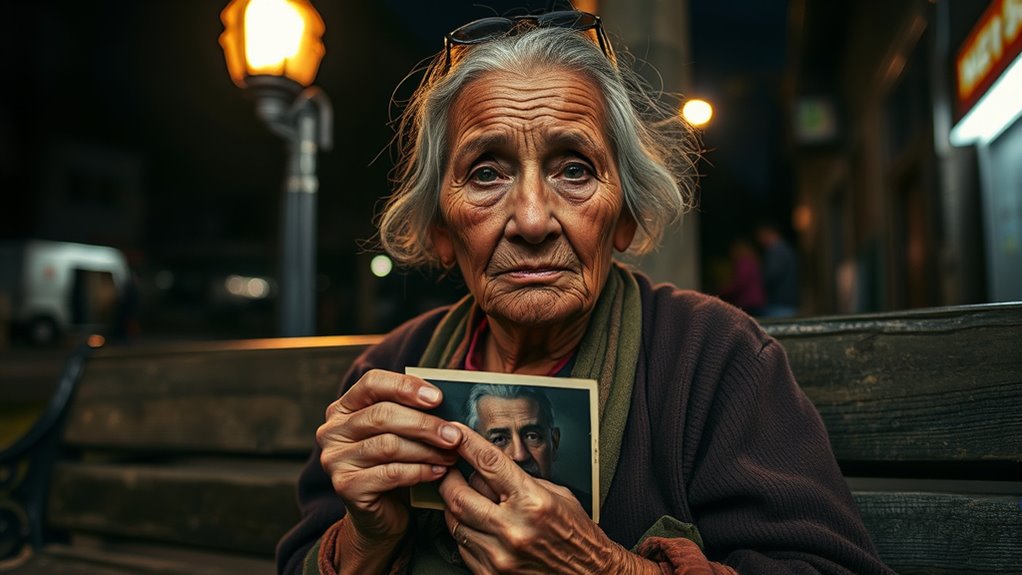

In documentary style photography, you tell truthful stories by capturing genuine moments with honesty and respect. Focus on candid shots, natural lighting, and authentic expressions to convey emotion and context effectively. Avoid manipulation or staging, as ethics and integrity are key to building trust with your audience and subjects. With attention to composition, timing, and perspective, you can create powerful images that reveal real stories. Keep exploring to learn how to deepen your storytelling skills.
Key Takeaways
- Prioritize candid, authentic moments to accurately depict real-life stories without staging or manipulation.
- Use natural lighting and genuine expressions to enhance the authenticity of documentary images.
- Respect subjects’ dignity and privacy, maintaining ethical standards to build trust and credibility.
- Compose scenes thoughtfully, including background details that deepen understanding of the story.
- Capture decisive moments through timing and perspective, conveying emotions and context effectively.

Documentary style photos capture real moments as they happen, offering an authentic glimpse into people’s lives and stories. As a photographer committed to storytelling, you understand that every shot carries weight, and your approach must be rooted in honesty and integrity. Photojournalism ethics come into play here, reminding you to respect your subjects, avoid manipulation, and present scenes truthfully. Your goal isn’t to distort reality but to document it in a way that informs and resonates with viewers. When working within these ethical boundaries, you build trust with your audience and subjects alike, ensuring your images serve as credible windows into the world.
Documentary photography captures authentic moments, emphasizing honesty, integrity, and respect to build trust and tell truthful stories.
To succeed in capturing compelling documentary images, you rely heavily on visual storytelling techniques. These methods guide your composition, lighting, and timing, helping you craft images that communicate emotion and context without words. For example, framing your shot to include relevant surroundings can provide viewers with background details that deepen their understanding of the story. Using natural light often enhances authenticity, emphasizing the rawness of the moment rather than creating artificial effects. Your ability to anticipate decisive moments—those fleeting instances that convey the essence of a situation—becomes vital in this genre. It’s about being attentive and quick, capturing the scene before it shifts or disappears.
In documentary photography, your choice of perspective and angle influences how viewers perceive the story. You might opt for eye-level shots to foster connection or a wider view to contextualize the environment. These visual storytelling techniques ensure your photos are not just aesthetically pleasing but also meaningful. You aim to evoke empathy and understanding, allowing viewers to see the world through your lens as you’ve witnessed it. Authenticity remains central; staged or contrived images diminish the integrity of your work. Instead, focus on candid moments, subtle gestures, and genuine expressions that reveal truths about the subjects’ lives. Additionally, understanding the importance of ethical boundaries, such as respecting subjects’ dignity, ensures your work remains honest and credible.
Throughout your process, maintaining photojournalism ethics also involves being unobtrusive, so your presence doesn’t influence the scene or the behavior of those you photograph. This respect for your subjects’ dignity ensures your images are truthful representations, not staged or sensationalized. As you hone your skills with visual storytelling techniques, you learn that honesty in your portrayal ultimately creates a more powerful, impactful narrative. The combination of ethical responsibility and technical mastery allows you to document reality with integrity, fostering a deeper connection between your audience and the stories you tell through your photos.

Hargiis Non Slip Bathtub Mat, Anti Slip Shower Mat, Fast Drying Bath Tub Mats, Foot Scrubber Mat, Anti Slip Mat for Tub, Floor, Bathroom, Home, Kitchen, Hotel (Beige 24"x16")
- Non-slip and Durable Material: Made of BPA-free PVC with plaid backing
- Foot Massage Texture: Loofah-like surface gently massages feet
- Easy to Clean: Rinses easily, machine washable, quick drying
As an affiliate, we earn on qualifying purchases.
Frequently Asked Questions
How Do Documentary Photographers Choose Their Subjects?
You choose your subjects based on their potential for powerful visual storytelling. You look for stories that reveal authentic, compelling moments, often selecting subjects that highlight social issues, personal struggles, or unique perspectives. Your subject selection is intentional, aiming to capture genuine emotion and truth. By focusing on meaningful subjects, you create photos that not only inform but also evoke empathy and understanding in viewers.
What Equipment Is Best for Documentary Photography?
You should choose camera gear that’s versatile and lightweight, like a mirrorless camera with a fast lens, to stay mobile and capture candid moments. Use lighting techniques such as natural light or reflectors to enhance authenticity and mood without overpowering the scene. Prioritize reliable autofocus and good low-light performance, ensuring you can adapt quickly to changing conditions and tell honest, compelling stories through your photos.
How Do Photographers Maintain Objectivity?
Your ability to maintain objectivity is like steering through a minefield, delicate yet essential. To do so, you must recognize your visual bias and emotional influence, which can skew perceptions. Stay aware of these tendencies, focus on capturing genuine moments without manipulation, and approach subjects with empathy and neutrality. This discipline helps you tell honest stories, allowing viewers to interpret images without your personal lens clouding the truth.
What Ethical Considerations Are Involved in Documentary Photography?
You must consider ethical issues like obtaining consent and respecting cultural sensitivity when doing documentary photography. Always ask for permission before capturing someone’s image, especially in vulnerable communities, to prevent exploitation. Be aware of cultural norms and avoid misrepresenting or causing harm through your photos. Balancing storytelling with respect ensures you maintain integrity and build trust, creating powerful images that honor the subjects’ dignity.
How Has Digital Technology Impacted Documentary Storytelling?
Digital technology has revolutionized documentary storytelling by enhancing visual authenticity and allowing faster sharing. However, you need to be cautious of digital manipulation, which can distort truth and compromise integrity. While editing tools can improve images, overdoing it risks misleading your audience. You must strike a balance, ensuring your photos preserve the story’s honesty while leveraging tech’s power to capture compelling, truthful narratives.

Samsung 14" Galaxy Chromebook Go Laptop PC Computer, Intel Celeron N4500 Processor, 4GB RAM, 64GB Storage, ChromeOS, XE340XDA-KA2US, Student Laptop, Silver
- Slim and Lightweight Design: Perfect for on-the-go use
- Durable Military-Grade Build: Resistant to drops and dings
- Long-Lasting Battery Life: Up to 12 hours of use
As an affiliate, we earn on qualifying purchases.
Conclusion
So, here you are, capturing truth with a camera, yet often missing the full story behind each shot. Ironically, in trying to tell authentic stories through photos, you might overlook the deeper truths unseen in a single frame. But isn’t that the beauty of documentary style? It’s a constant reminder that while photos can reveal so much, they’ll never tell the whole story—leaving you forever chasing the elusive, honest moment.

Svikou 14" Thin and Ultra Light Rose Gold Laptop for Students & Seniors
- Stylishly Portable & Ultra Thin: Lightweight 1.25kg, slim profile, 180° hinge
- Pre-Activated Windows 11 Pro: Ready to use out of the box
- Efficient Daily Performance: Quad-Core Celeron J4105, 8GB RAM, 128GB SSD
As an affiliate, we earn on qualifying purchases.

Amzboy 15.6” Windows 11 Laptop, N4020 CPU, 4GB RAM, 128GB eMMC, FHD Display
- Large 15.6-inch FHD Display: Immersive anti-glare screen for clear viewing
- Lightweight and Portable: Weighs only 3.3 lbs for easy portability
- Quiet Fanless Operation: Silent performance with dust prevention
As an affiliate, we earn on qualifying purchases.