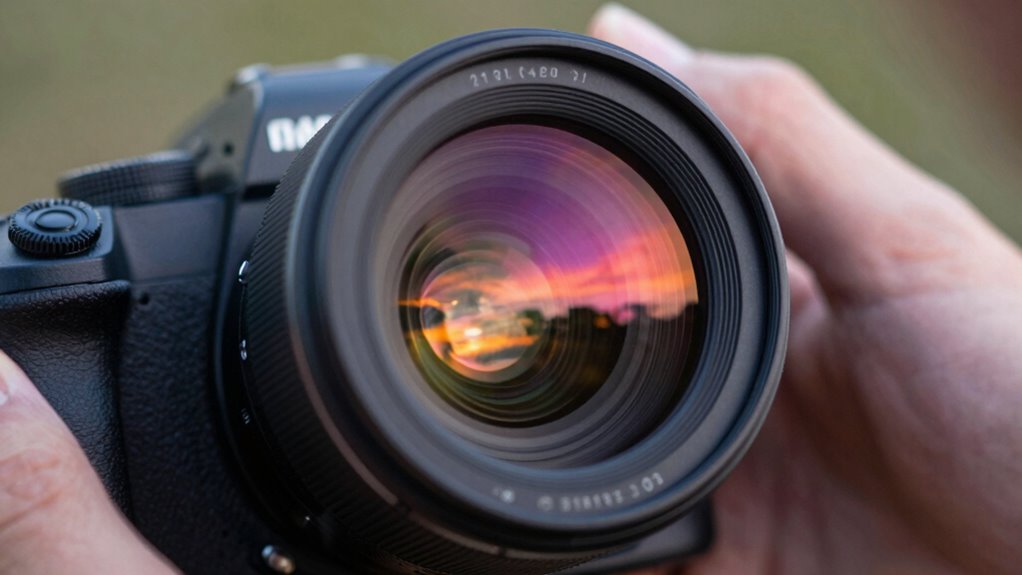

While sensor size impacts light gathering, dynamic range, and depth of field, it isn’t the only factor that determines your mirrorless camera’s image quality. Advances in sensor technology, image processing, and lens quality also play vital roles. Smaller sensors can produce stunning images, especially with modern improvements like better stabilization and low-light performance. To get the best results, you need to take into account all these elements together—there’s much more than just size involved.

Turn quiet afternoons into listening time
- Thousands of audiobooks, podcasts and originals
- Listen on your phone, tablet or Echo — also offline
- Cancel anytime
Key Takeaways
- Advances in sensor technology and image processing can significantly enhance image quality, offsetting smaller sensor limitations.
- High megapixel counts improve cropping flexibility and detail, regardless of sensor size.
- Modern compact sensors often incorporate features like back-illumination and pixel binning to boost low-light performance.
- Camera design, lens quality, and stabilization play crucial roles in overall image quality, beyond just sensor size.
- Proper calibration and software algorithms can mitigate noise and dynamic range issues associated with smaller sensors.
mirrorless camera sensor technology
As an affiliate, we earn on qualifying purchases.
As an affiliate, we earn on qualifying purchases.
How Sensor Size Affects Light and Depth of Field
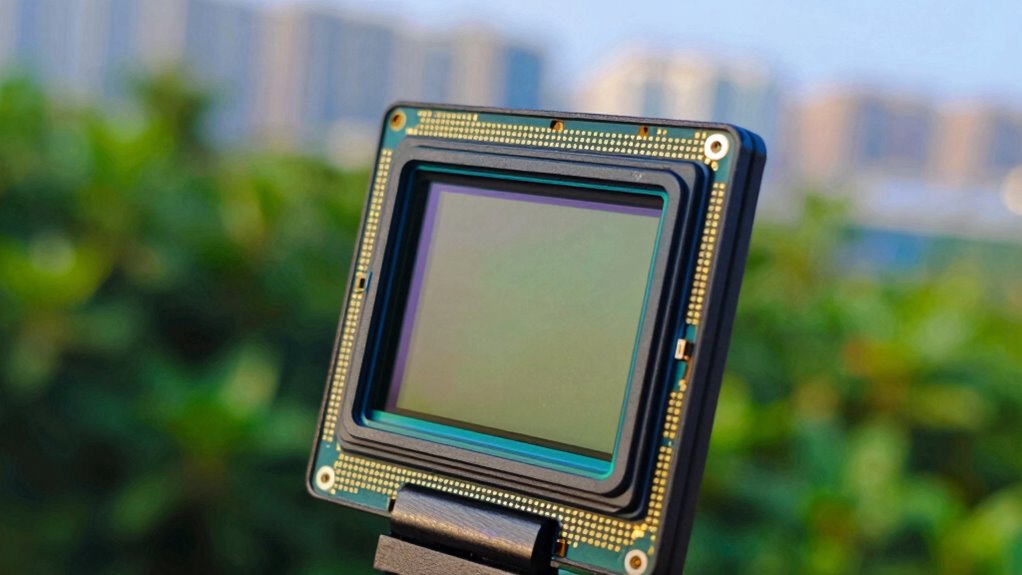
Sensor size plays a crucial role in how much light your camera can capture and the depth of field you can achieve. Larger sensors usually provide a greater dynamic range, allowing you to capture more detail in both shadows and highlights. This means your photos will display richer tones and better contrast, especially in challenging lighting conditions. Additionally, bigger sensors enhance color accuracy, resulting in more natural and vibrant images. The increased size also helps you achieve a shallower depth of field, making your subject stand out against a blurred background. This effect is perfect for portraits and artistic shots. Furthermore, sensor size influences image noise levels, with larger sensors typically producing cleaner images at higher ISO settings. Overall, a larger sensor grants you more control over the visual quality of your images, emphasizing dynamic range and color fidelity while giving you more creative options. Understanding sensor technology can further help you appreciate how these factors interplay to impact your photography.
best low light mirrorless cameras
As an affiliate, we earn on qualifying purchases.
As an affiliate, we earn on qualifying purchases.
How Sensor Size Influences Noise and Low-Light Performance
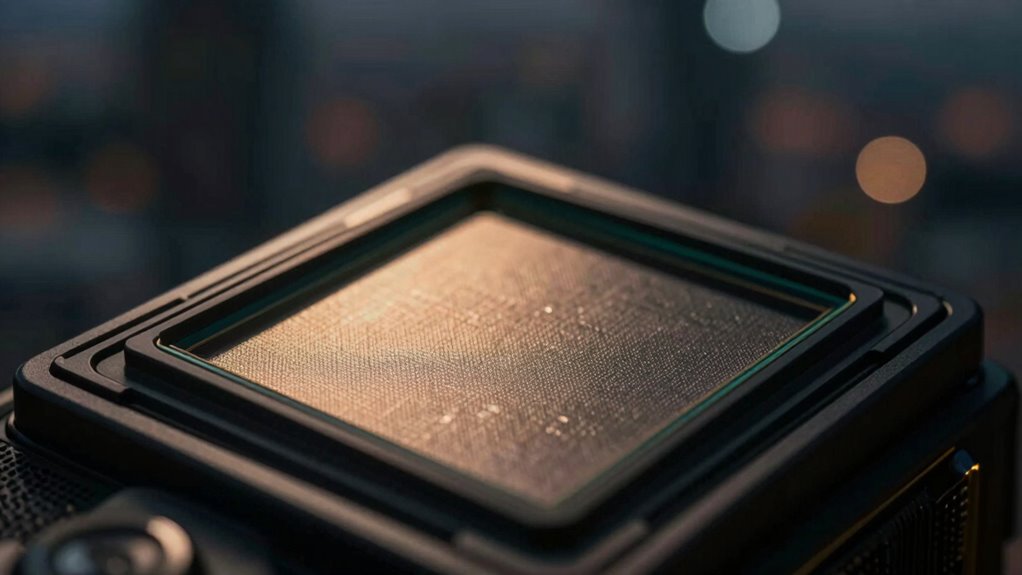
Larger sensors generally produce less noise and perform better in low-light conditions. This is because bigger pixels can gather more light, which improves image quality. So, pixel size is a key factor in how well your camera handles challenging lighting situations. Additionally, the quality of the sensor’s image processing can also significantly influence overall performance in low-light environments. Proper sensor calibration is also crucial to optimize noise reduction and image clarity in various lighting conditions. Moreover, advancements in sensor technology continue to push the boundaries of low-light performance and noise management, with innovations like pixel binning helping to enhance image quality in difficult lighting.
Larger Sensors Reduce Noise
When shooting in low light, you’ll notice that larger sensors tend to produce cleaner images with less noise. This is because bigger sensors have more surface area to gather light, improving overall image quality. With increased sensor size, you can often push your ISO higher without introducing excessive noise, enhancing your camera’s ISO performance. Larger sensors also offer better sensor compatibility with high-quality lenses, allowing more light to reach the sensor efficiently. This combination results in clearer images in challenging lighting conditions. Keep in mind, though, that sensor size alone isn’t the only factor; how well your camera manages noise at higher ISO settings also plays a vital role in low-light performance.
Better Low-Light Capabilities
Because they gather more light, larger sensors substantially enhance low-light performance by reducing noise and capturing clearer images in dim conditions. This makes them ideal for nighttime photography or indoor shots. Sensor compatibility also plays a role, as larger sensors often work better with advanced noise reduction techniques. Keep in mind, though, that larger sensors may impact battery efficiency, since they require more power to operate. This can lead to shorter shooting sessions, especially in low-light situations where the camera needs to work harder. While bigger sensors improve low-light capabilities overall, it’s essential to balance sensor size with other factors like battery life and compatibility to optimize your photography experience in challenging lighting. Additionally, privacy policy considerations may influence how data from high-performance cameras is used or stored. Understanding the sensor size can help photographers choose the right equipment for their specific needs and shooting environments. Recognizing that sensor technology continues to evolve can also influence future camera choices and performance expectations. Advances in [sensor technology] are continuously pushing the boundaries of low-light performance, offering new possibilities for photographers.
Pixel Size Matters Most
While sensor size sets the foundation for image quality, pixel size plays an essential role in determining how well your camera performs in low-light conditions. Larger pixels can capture more light, boosting sensor efficiency and reducing noise in your photos. This improved light gathering ability results in cleaner images with better detail in challenging lighting. When pixel density is high, pixels become smaller, which can increase noise and decrease low-light performance. So, a camera with larger pixels often outperforms smaller-sensor models in dim environments, even if the sensor itself isn’t the biggest. Additionally, sensor architecture can influence how effectively pixels gather light and process images. Understanding the significance of pixel size helps in recognizing that overall image quality is a combination of multiple factors, not just sensor size. Recognizing the role of backside illumination technology can also enhance light capture efficiency in smaller pixels. Furthermore, sensor technology advancements continue to improve low-light capabilities across various sensor sizes, leveraging innovations like sensor design to optimize performance.
high megapixel mirrorless camera
As an affiliate, we earn on qualifying purchases.
As an affiliate, we earn on qualifying purchases.
The Impact of Image Processing on Photo Quality

Image processing plays a crucial role in determining the final quality of your photos, especially in mirrorless cameras where software enhancements can profoundly influence the results. Proper sensor calibration guarantees your camera captures accurate colors and sharpness, reducing noise and preventing color casts. Image compression also impacts quality; aggressive compression can introduce artifacts that degrade detail and clarity. Modern cameras employ sophisticated algorithms to optimize images in real-time, enhancing detail, dynamic range, and noise reduction. These processes can sometimes compensate for smaller sensors, leveling the playing field. Understanding how your camera’s image processing works helps you make better decisions about settings and post-processing, ensuring your photos look their best regardless of sensor size. Additionally, signal processing techniques are essential in refining image quality and overcoming hardware limitations, making image enhancement a key factor in achieving professional results. Advances in software algorithms continue to push the boundaries of what’s possible with smaller sensors, enabling photographers to produce high-quality images in a variety of conditions. Recognizing the importance of sensor calibration can further improve your overall image output, especially when combined with effective image processing. Consistent calibration ensures your camera maintains accurate color reproduction and sharpness over time, which is vital for high-quality photography. Ultimately, good image processing can elevate your images beyond hardware limitations.
camera lens for portrait photography
As an affiliate, we earn on qualifying purchases.
As an affiliate, we earn on qualifying purchases.
What Makes a Good Lens for Your Mirrorless Camera?
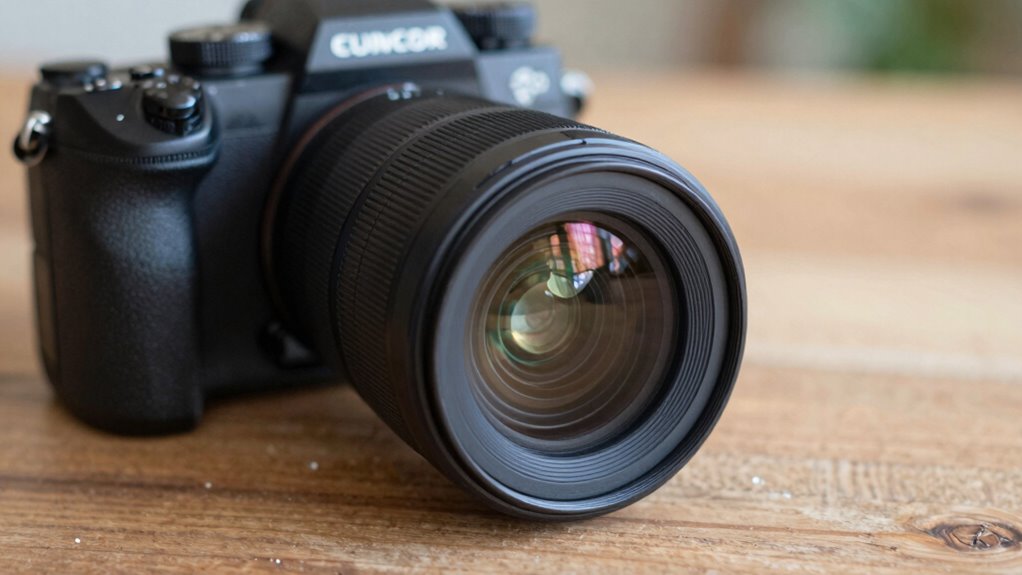
Choosing a good lens for your mirrorless camera involves understanding how its features affect your images. High-quality lens coatings reduce flare and ghosting, improving contrast and color accuracy, especially in challenging lighting. Look for lenses with multi-coated elements for sharper, clearer photos. Aperture rings give you direct control over depth of field and exposure, making manual adjustments easier and more intuitive. A well-designed lens should have smooth, responsive rings that feel comfortable in your hand. Additionally, consider the lens’s focal length and aperture size to match your shooting style. A versatile lens with a wide maximum aperture can excel in low light and create beautiful background blur. Overall, a good lens enhances your camera’s capabilities and helps you capture the images you envision. To maximize your lens performance, understanding essential survival gear items can be useful for outdoor photography adventures. Recognizing how lens construction impacts image quality can further help you choose the right equipment for your needs, especially since sensor size isn’t the whole story in achieving high-quality results. A comprehensive understanding of image stabilization can also significantly improve your handheld shots in various conditions. Being aware of lens durability can be critical when shooting in rugged or unpredictable environments.
How Autofocus Systems Deliver Precision and Speed
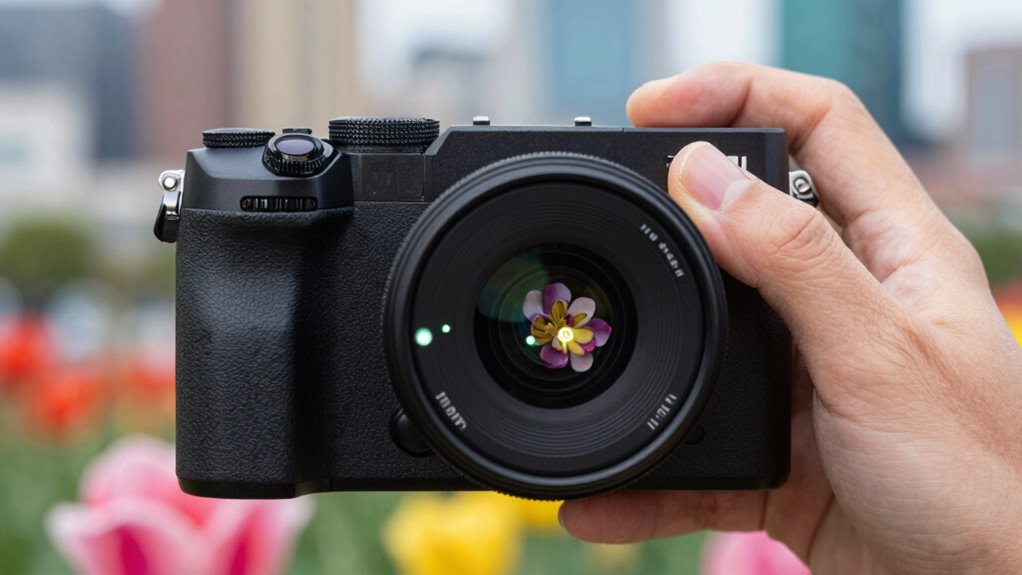
Your camera’s autofocus system quickly locks onto your subject, ensuring sharp images without delay. With advanced tracking capabilities, it keeps moving subjects in focus effortlessly. This combination of speed and precision makes capturing dynamic scenes seamless.
Fast Focus Acquisition
Have you ever wondered how mirrorless cameras lock onto a subject so quickly and accurately? It’s all about fast focus acquisition, which relies on advanced autofocus systems. These systems analyze sensor ergonomics, optimizing how the camera interprets light and contrast to find focus points swiftly. Faster shutter speeds also play a role, minimizing motion blur and helping the autofocus system lock onto moving subjects without delay. Modern cameras use hybrid autofocus, combining phase detection and contrast detection for rapid, precise focus. This synergy guarantees you don’t miss critical moments, even in challenging lighting conditions. With quick autofocus, your shots come out sharp and clear, giving you confidence in capturing fast-moving subjects or fleeting expressions. It’s all about delivering precision and speed in every shot.
Advanced Tracking Capabilities
Advanced tracking capabilities in mirrorless cameras guarantee that moving subjects stay sharp and in focus, even when they change direction or speed unexpectedly. Modern autofocus systems leverage sensor calibration to optimize autofocus accuracy, ensuring precise subject tracking. These cameras continuously analyze the scene, adjusting focus points dynamically to follow fast-moving objects seamlessly. Enhanced algorithms process data quickly, reducing lag and maintaining focus lock during rapid movements. Sensor calibration fine-tunes autofocus performance, minimizing errors caused by environmental factors or lens inconsistencies. This combination of advanced tracking algorithms and accurate autofocus guarantees you can capture decisive moments without worry. Whether shooting sports or wildlife, your mirrorless camera’s ability to maintain sharp focus on moving subjects is a game-changer, delivering professional results with speed and reliability.
Why Size and Portability Matter for Photographers

The size and portability of a mirrorless camera can markedly influence your photography experience, especially if you often shoot on the go. A compact camera enhances camera ergonomics, making it easier to handle during extended shoots or quick captures. When your gear is lightweight and fits comfortably in your bag or pocket, travel convenience skyrockets; you’re more likely to carry it everywhere. Smaller cameras also reduce fatigue during long shoots, allowing you to stay focused. Plus, discreet equipment lets you blend into the environment, capturing candid moments without drawing attention. Ultimately, choosing a portable mirrorless camera means fewer compromises on quality while enjoying greater flexibility and spontaneity—key factors for capturing the perfect shot in dynamic situations.
Megapixels vs. Sensor Size: Which Matters More?
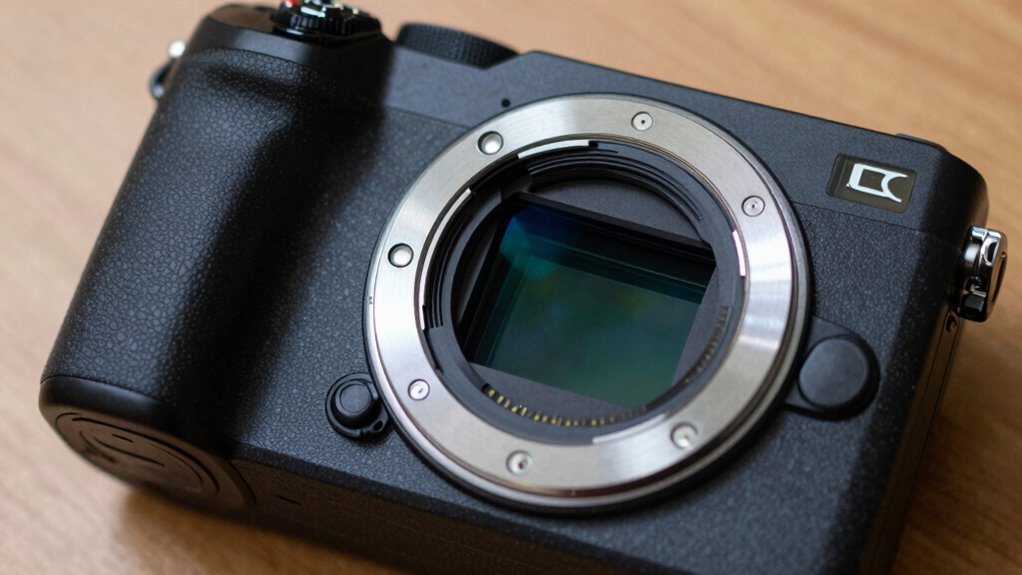
When choosing a camera, you might wonder if more megapixels or a larger sensor makes the biggest difference. Higher resolution can improve image detail and cropping flexibility, but a larger sensor often boosts low-light performance. Considering how these factors impact your photography style helps you decide which feature truly matters most.
Image Detail vs. Resolution
While megapixels often get the spotlight, sensor size plays an essential role in determining image detail. Higher megapixels can capture more detail, but larger sensors enhance color accuracy and dynamic range, leading to richer, more vibrant images. A bigger sensor also improves editing flexibility, allowing you to crop or adjust images without sacrificing quality. Resolution alone doesn’t guarantee superior detail if the sensor isn’t capable of capturing nuanced tones and subtle color variations. Smaller sensors with high megapixels may produce images with noise or reduced color fidelity, especially in complex scenes. Ultimately, understanding the balance between resolution and sensor size helps you choose a camera that delivers sharp, true-to-life images suited for both print and digital use.
Low-Light Performance Impact
In low-light conditions, sensor size generally has a more significant impact on image quality than megapixels alone. A larger sensor captures more light, reducing noise and delivering clearer images, regardless of resolution. Sensor compatibility also matters, as well-designed sensors work better with high ISO settings, further improving low-light performance. Keep in mind that larger sensors tend to drain battery longevity faster because they require more power to operate. Smaller sensors may have advantages here, but they often sacrifice some light-gathering capability. Ultimately, choosing a camera with a larger sensor can help you shoot better in dim environments, even if it means balancing other factors like battery life and compatibility. This focus on sensor size can make a real difference in your low-light photography.
Cropping and Flexibility
Choosing between megapixels and sensor size for cropping flexibility depends on your photography needs. Higher megapixels allow you to crop tightly without losing detail, but sensor compatibility plays a role in maintaining image quality. A camera with more megapixels can offer better cropping options, especially when capturing distant subjects or framing tightly in post-processing. However, larger sensors tend to provide better color accuracy, which enhances overall image quality after cropping. If your priority is flexibility in cropping without sacrificing image fidelity, a balance between high megapixels and a sensor suited for your needs is essential. Remember, more megapixels don’t always mean better image quality if the sensor cannot handle color accuracy or dynamic range well. Your choice should align with your specific shooting style and editing plans.
What Really Matters for Great Image Quality?
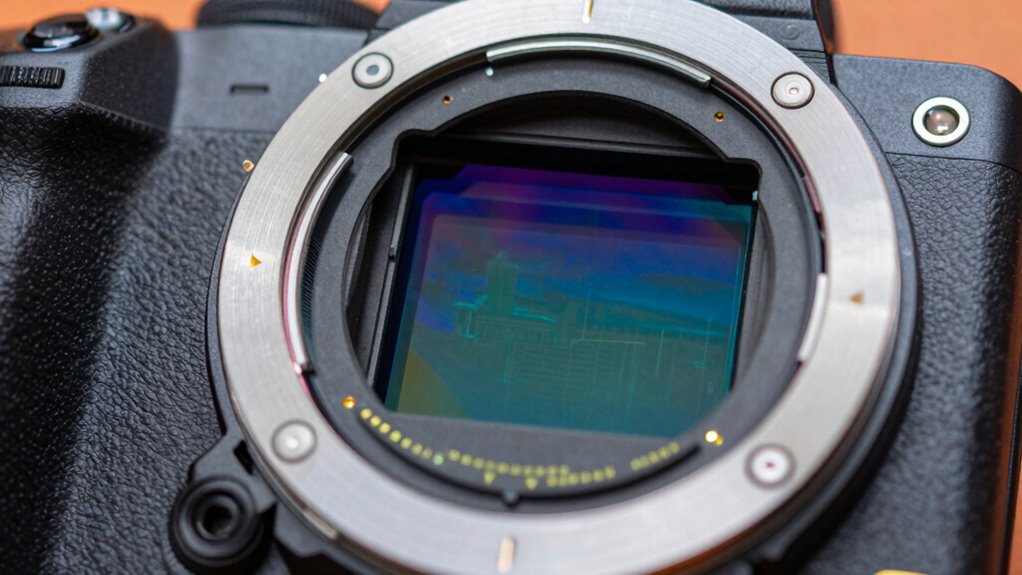
Great image quality depends on more than just sensor size; many factors work together to produce stunning results. Your choice of sensor technology influences noise reduction, dynamic range, and color accuracy. Ergonomic design guarantees comfortable handling, enabling steady shots and precise control. Proper lens quality and aperture play crucial roles in sharpness and depth of field. The table below highlights key factors:
| Factor | Impact | Focus Area |
|---|---|---|
| Sensor Technology | Improves clarity and low-light performance | Image processing |
| Ergonomic Design | Enhances stability and ease of use | Handling and control |
| Lens Quality | Affects sharpness and bokeh | Optics |
| Software Algorithms | Refines image output digitally | Post-processing |
Examples of Small Sensors That Deliver Stunning Photos
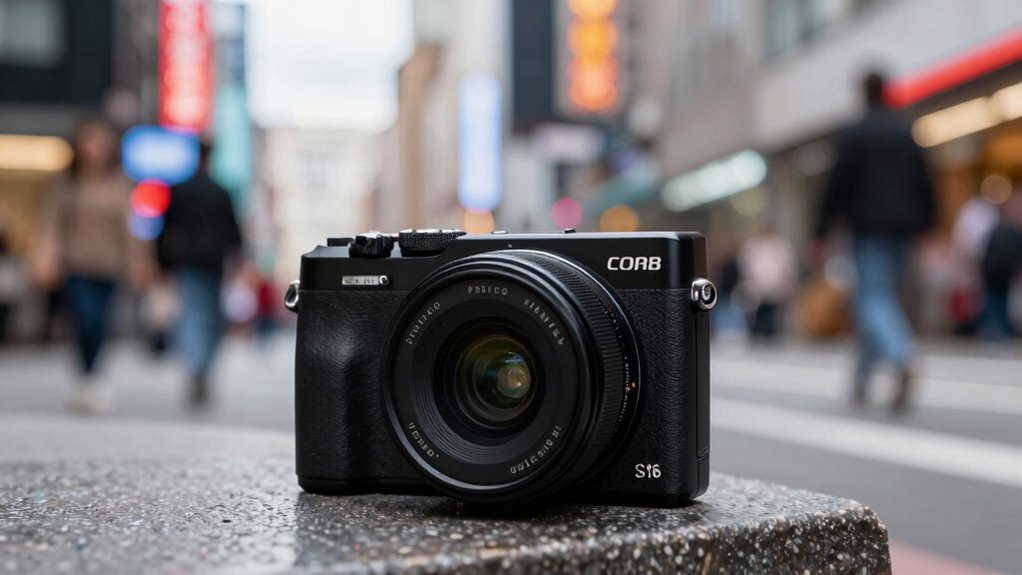
While larger sensors often attract attention for their superior image quality, many small sensors can produce stunning photos that rival those from full-frame models. Advances in sensor technology have dramatically improved image clarity, dynamic range, and low-light performance, even on compact sensors. Cameras like the Sony RX100 series showcase how high-quality images are possible with small sensors. Additionally, modern small sensors benefit from advanced image stabilization, which minimizes blur caused by handshake, allowing sharper shots in challenging conditions. These innovations demonstrate that sensor size isn’t the only factor in achieving excellent photos. Instead, smart sensor technology combined with effective image stabilization can help you capture impressive images, proving that small sensors can punch well above their weight in the world of mirrorless cameras.
How to Choose the Best Mirrorless Camera for Your Needs

Selecting the right mirrorless camera depends on understanding your photography priorities and how you plan to use the device. First, consider sensor compatibility—ensure the camera’s sensor works well with your preferred lenses and offers the image quality you desire. Think about your typical shooting situations: if you often shoot outdoors or for extended periods, battery life becomes essential; look for models with longer-lasting batteries. Also, evaluate features like autofocus, size, and weight to match your comfort level. Decide whether you need a versatile camera for travel, professional work, or casual photography. By balancing sensor compatibility, battery life, and your specific needs, you can choose a mirrorless camera that enhances your creativity without unnecessary complexity.
Frequently Asked Questions
How Does the Camera’s Ergonomics Affect Shooting Experience?
Your shooting experience considerably depends on the camera’s ergonomics. An ergonomic grip feels comfortable and secure, reducing fatigue during extended shoots. Proper button placement allows you to access essential controls quickly, keeping you engaged without fumbling. When your camera fits well in your hand and controls are intuitive, you can focus on capturing great shots instead of fighting with the equipment. Good ergonomics make shooting more enjoyable and efficient.
What Role Does Camera Firmware Updates Play in Performance?
You turn on your camera, and a firmware update flickers like a fresh coat of paint, ready to boost performance. Firmware updates fix bugs, like clearing away digital cobwebs, and enable new features, enhancing your shooting experience. They optimize image processing, improve autofocus, and increase stability. By keeping your camera’s firmware current, you guarantee it performs smoothly, adapts to new needs, and stays reliable—making every shot sharper and more confident.
Can Sensor Size Impact Video Recording Quality?
Sensor size can impact your video recording quality, especially in low light situations. Larger sensors typically produce less sensor noise, resulting in clearer, sharper footage. They also improve low light performance, allowing you to capture detailed videos even in challenging lighting. While bigger sensors offer advantages, other factors like lens quality, image processing, and stabilization also influence your overall video quality, so consider the full camera system.
How Important Are Shutter Speed and ISO Settings?
Think of shutter speed and ISO as the sails and rudder of your camera ship—they steer your image quality. You need the right settings to balance exposure, capturing dynamic range and ensuring autofocus speed stays sharp. Fast shutter speeds freeze motion, while ISO adjusts sensitivity. When you fine-tune these, you control the scene’s energy, making sure your photos are clear, vibrant, and well-exposed, regardless of your camera’s sensor size.
What Are the Advantages of In-Body Image Stabilization?
In-body image stabilization (IBIS) helps you capture sharper images, especially in low light or with slow shutter speeds. It reduces camera shake, allowing you to use higher sensor resolution without sacrificing clarity. Plus, IBIS can improve autofocus speed by keeping the sensor steady, making it easier to lock focus accurately. This feature enhances overall image quality, giving you clearer shots even in challenging conditions, making your photography more flexible and reliable.
Conclusion
Remember, your camera is like a painter’s brush—size isn’t everything, but how you wield it makes all the difference. Don’t get lost chasing the biggest sensor; focus on mastering your lens, lighting, and technique. With the right tools and a creative eye, even a small sensor can capture breathtaking images that tell your story. So, pick your gear wisely and let your passion turn every shot into a masterpiece.
Evergreen bestsellers Picks
bestsellers
As an affiliate, we earn on qualifying purchases.