
TL;DR
Online interest in expert-recommended fall fruits and vegetables is spiking as autumn produce reaches peak season. The underlying nutrition facts about seasonal produce are well established, but the specific trigger for the current surge in coverage is unconfirmed.
Interest in fall fruits and vegetables recommended by nutrition professionals is climbing sharply online, according to the trend signal that prompted this report, as autumn harvest season brings squash, apples, Brussels sprouts, root vegetables, and leafy greens to market. The surge in coverage and search attention is confirmed as a trend; the specific article or announcement that triggered it is not.

Turn quiet afternoons into listening time
- Thousands of audiobooks, podcasts and originals
- Listen on your phone, tablet or Echo — also offline
- Cancel anytime
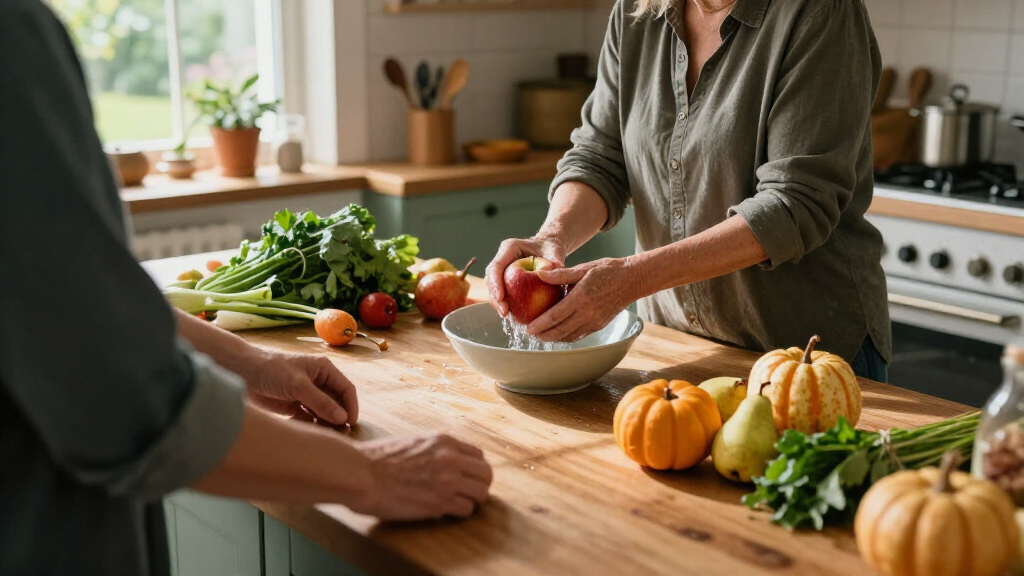
Content listing 10 fall fruits and vegetables favored by nutrition experts — categorized under wellness topics — is currently circulating widely. These listicles typically highlight produce at its seasonal peak, such as winter squash, apples, pears, cranberries, sweet potatoes, Brussels sprouts, kale, beets, pomegranates, and figs. The exact ten items in the article driving this trend cannot be independently verified from the available metadata.
What is long-established, independent of any single article: autumn is harvest season for many nutrient-dense crops in North America and Europe. Registered dietitians have consistently recommended seasonal produce because it is often fresher, more affordable, and picked closer to ripeness. This general guidance is standard advice from health bodies including national dietary guidelines, which encourage eating a variety of fruits and vegetables regardless of season.
Specific established nutrition facts: winter squash and sweet potatoes are well-documented sources of beta-carotene; Brussels sprouts and kale belong to the cruciferous family studied for its fiber and vitamin content; apples and pears provide soluble fiber; pomegranates and cranberries contain polyphenols. These properties are supported by decades of peer-reviewed nutrition research and are not in dispute.
Why Seasonal Produce Lists Resonate Now
Seasonal eating content tends to peak each autumn, and this year’s spike fits that pattern. For readers, the practical value is straightforward: fall produce is typically at its lowest price and highest quality at farmers markets and grocery stores right now. Nutrition experts’ recurring endorsement of these foods also matters for public health messaging, as national surveys consistently show most adults fall short of recommended fruit and vegetable intake.
The trend also reflects a broader shift in wellness media toward food-first nutrition advice — encouraging whole foods rather than supplements — which dietitians widely support as an evidence-based approach.
Products Worth Considering

Levoit Core 400S-P Smart Air Purifier for Large Rooms

Garmin Forerunner® 165 Running Smartwatch 43mm Black

Withings Sleep Under-Mattress Sleep Tracking Pad
As an affiliate, we earn on qualifying purchases.
The Long-Standing Case for Fall Produce
Recommendations to eat seasonally are not new. Registered dietitians and public health agencies have promoted varied fruit and vegetable consumption for decades, and autumn harvest crops have long featured in that guidance. Winter squash, root vegetables, and hardy greens store well through cold months, which historically made them dietary staples before global supply chains enabled year-round availability of most produce.
Annual autumn wellness content — harvest guides, seasonal recipe roundups, and expert produce picks — is a recurring media format. The current trend signal aligns with this established seasonal cycle.
What Cannot Be Verified Yet
Several things remain unclear. The specific article or list driving the current interest has not been verified, so the exact ten fruits and vegetables named by the referenced nutrition experts are unknown. No named dietitians, studies, or publications tied to this particular trend have been confirmed. Whether the spike reflects a single viral article, a broader seasonal search pattern, or timing with a health awareness campaign is unconfirmed.
Readers should treat any specific expert claims encountered in articles under this trend as attributed to those publications, not independently verified here.
Where the Trend Goes From Here
Seasonal produce interest typically remains elevated through late autumn and declines after the winter holidays. Readers can expect continued harvest-focused recipe and nutrition content over the coming weeks. For those acting on the trend, the practical step is simple: shop seasonal produce now while availability is high and prices are low. Anyone making significant dietary changes for health reasons should consult a qualified healthcare professional or registered dietitian.
Key Questions
What are the fall fruits and vegetables nutrition experts typically recommend?
Commonly recommended fall produce includes winter squash, sweet potatoes, apples, pears, cranberries, pomegranates, Brussels sprouts, kale, beets, and figs. The specific list behind the current trend has not been verified.
Is seasonal produce actually more nutritious?
Seasonal produce is often fresher and picked closer to ripeness, which dietitians say can support quality and flavor. Nutrition content varies by many factors; the core expert advice is to eat a variety of fruits and vegetables year-round.
Why is interest in this topic spiking now?
The spike coincides with autumn harvest season, when this type of wellness content recurs annually. The exact trigger — whether one article or general seasonal search behavior — is unconfirmed.
Are frozen fruits and vegetables a good alternative?
Yes. Frozen produce is typically frozen soon after harvest, and nutrition research has long supported it as a nutritious, affordable option outside peak season.
Should I change my diet based on these expert lists?
Adding more seasonal fruits and vegetables aligns with standard dietary guidance. For significant dietary changes or specific health conditions, consult a qualified healthcare professional or registered dietitian.
Source: rss